


By SUZANNE DOWNING
July 4, 2026 – The wind doesn’t always blow, nor does the sun always shine, but taxpayers always get soaked by subsidies.
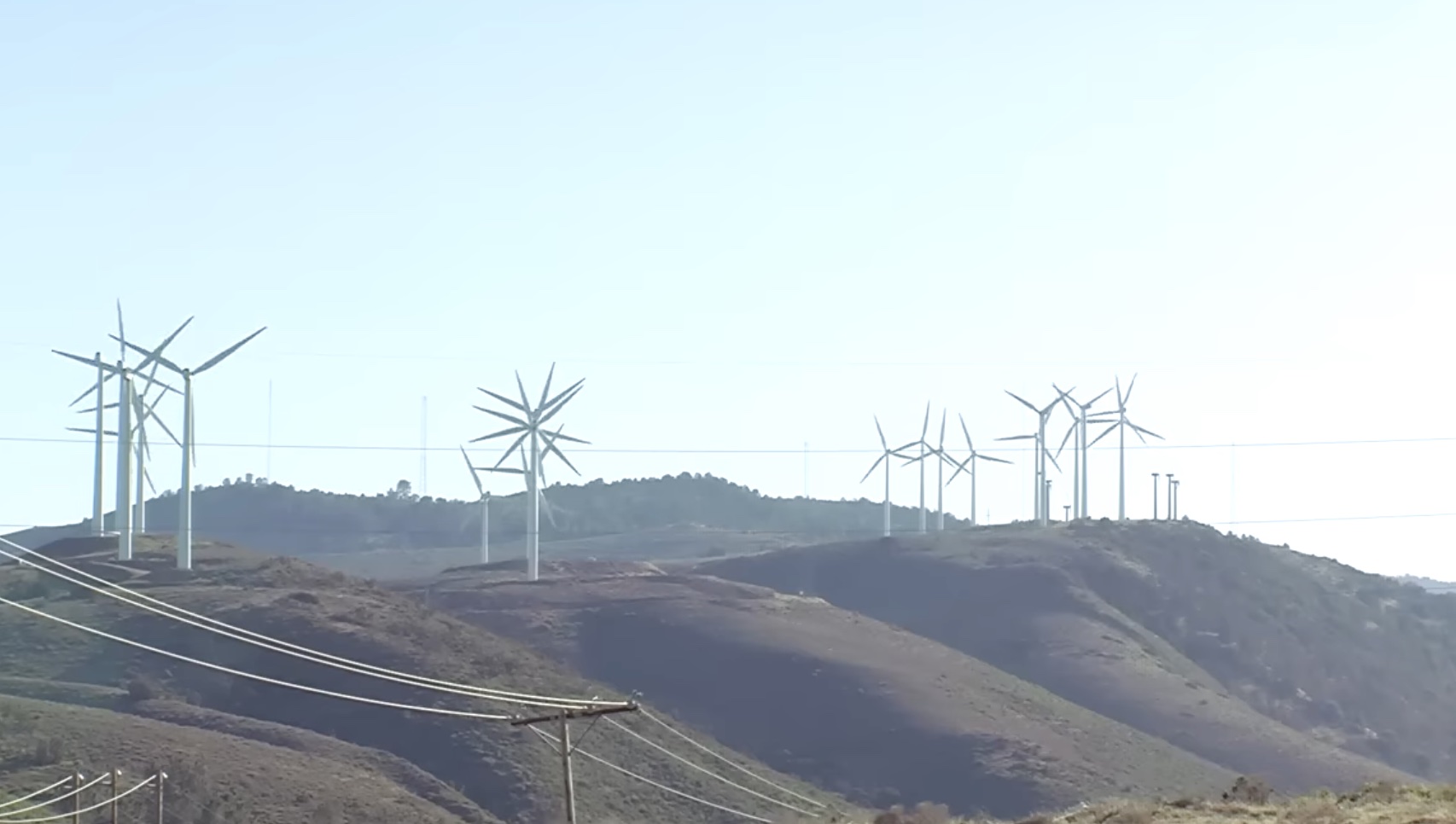
The era of open-ended federal tax subsidies for new wind and solar projects came to an end on Saturday, as a key provision of President Donald Trump’s tax legislation took effect, ending eligibility for many future renewable energy developments that are not already under construction.
The deadline stems from the Working Families Tax Cuts Act, signed by President Trump one year ago, which set July 4, 2026, as the cutoff date for new wind and solar projects seeking to qualify for longstanding federal tax credits. Projects that had already begun construction before the deadline generally remain eligible.
The administration has argued that the subsidies have distorted electricity markets while placing a growing burden on taxpayers.
In a video released this week, US Energy Secretary Chris Wright defended the policy change.
“The wind doesn’t always blow, and the sun doesn’t always shine. They drive up the system costs and increase Americans’ electricity prices,” he said.
Federal taxpayers have given over more than $141 billion in subsidies to wind and solar projects between 2010 and 2023 through the federal Investment Tax Credit and Production Tax Credit programs. That exceeds the federal support provided to any other energy source during that period.
The Investment Tax Credit provided developers with a one-time credit based on a percentage of project investment costs, while the Production Tax Credit provides ongoing credits tied to the amount of electricity a facility generates.
Before Congress approved the changes, the Congressional Budget Office estimated the two tax credit programs would increase the federal deficit by roughly $308 billion between 2026 and 2035 if left in place.
The approaching deadline triggered a nationwide scramble among renewable energy developers to begin construction in time to preserve eligibility for the credits. Industry groups acknowledged that the expiration accelerated project schedules across the country as companies raced to qualify before the subsidies ended.
The impact in Alaska is expected to be limited.
Unlike many Lower 48 states, Alaska has seen relatively little utility-scale wind and solar development financed through these federal tax incentives. The state’s electric grid is fragmented, communities are widely dispersed, and much of Alaska’s energy investment has focused on hydroelectric, natural gas, diesel backup systems, and emerging efforts to commercialize North Slope natural gas through the Alaska LNG Project.


14 thoughts on “Trump Administration ends federal wind and solar subsidies, citing cost to taxpayers”
Happy Independence Day! The heavily subsidized wind and solar industries absolutely had to have these subsidies to exist. On top of these subsidies, in many cases, they would lock in take or pay contracts that inflated the cost of electricity for all users. On top of the subsidies and take or pay contracts, utilities had to continue to build reliable dispatchable generation and in many cases operate them at lower less efficient levels that cost the consumer more than they would have otherwise had to pay for on demand electricity.
There is no other energy source as heavily subsidized as oil. Direct subsidies, tax breaks and a trillion dollar defense budget. Trump’s WWIII in the Middle East is based solely on oil. Oh, and hate. And religion.
There is absolutely no commodity as heavily taxed as oil. You need to learn what the word subsidy is before continuing to use it incorrectly. Oil funds all levels of government all across the globe, government does not fund oil…even in the authoritarian/communist/socialist paradises of your imagination, oil that funds government spending. If oil were taxed less the price of all oil related products would go down, look no further than states like California where gas taxes are the highest in the nation and so too is the price of gas.
Steve 0. Why are we at war with Iran?
I’m glad that you’ve looked up the definition of the word subsidy and you now accept that oil subsidies government and not the other way around, it’s good to hear that you’re now a little bit more educated than you were yesterday. What does Iran have to do with eliminating solar and wind subsidies?
Because they were building nukes and their Twelver (12th Imam) religion requires them to use them as soon as possible to hasten the Return of the 12th Imam on doomsday. Think of it as a Muslim import of Revelations. Create doomsday and their Savior (12th Imam) returns and their version of the Kingdom of Heaven commences.
When people tell you what they want to do and are moving Heaven and Earth to get the tools to make it possible, it is always a good idea to believe they are serious, which Iran has been since Khomeini’s junta took over. Cheers –
A old, tired, and unsupported argument. Did you get it from Howard Zinn? Tom Hayden? Oliver Stone? Greta Thunberg?
Happy Independence Day! Independent from King George; independent from Euro-clowns; independent from stupid, costly federal mandates that make ZERO sense. This is a great day to be an American.
.
Most readers here will praise this move, though I’m sure the Kitten and his Ding-a-ling will disagree.
A lot of taxpayer’s money was burned up in rural Alaska on wind projects that worked until they didn’t, which was not long after they were built. Show me one built during Obama or Biden that is still working. That’s right, you can’t.
Stebbins and St Micheals
Energy economics is a complicated topics. What i can’t understand is why Total Energies paid over $9000 an acre for the leases Trump bought back. The leases in NPR-A brought in about $150 an acre and was heralded as a great success.
Time for a documentary on Solyndra.
Proposed tag line to Suzanne’s headline: “Trump Administration ends federal wind and solar subsidies, citing cost to taxpayers”
REAP majority on Chugach (and other Railbelt electric co-ops) Board hardest hit. Cheers –
Spot on. I am thinking that without “renewables” the Chugach board will go with a really devious rate design proposal targeting some classes of customers. Or neighborhoods. After that, they might try a stronger demand-side-management program and then get to where they actually want to go — demand destruction.
Greenie eye candy. Not the best at electricity generation, though excellent at generations tax credits.