


By SUZANNE DOWNING
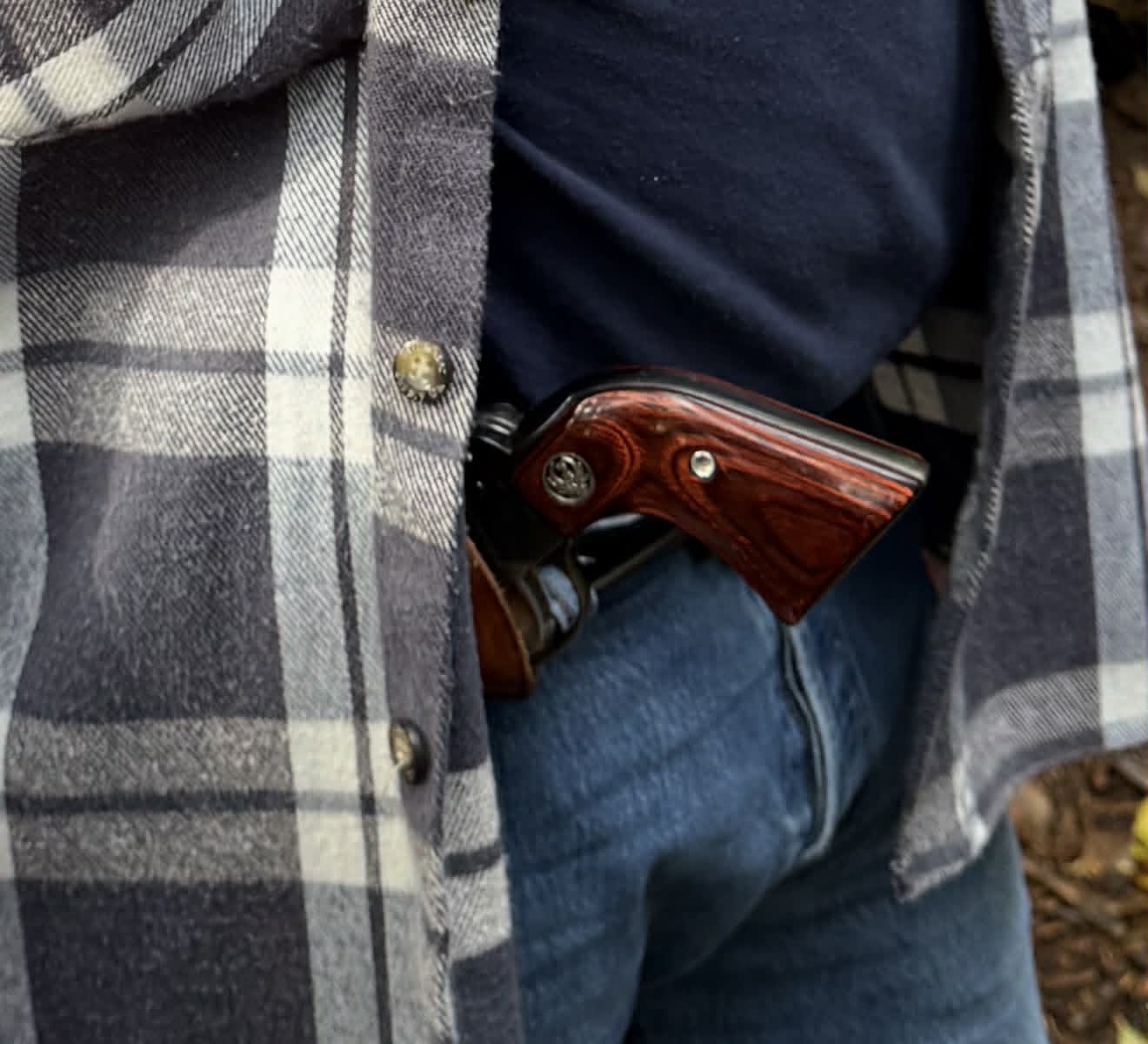
June 26, 2026 – The US Supreme Court on Thursday struck down Hawaii’s so-called “vampire rule,” ruling 6-3 that the state violated the Second and Fourteenth Amendments by requiring licensed concealed-carry permit holders to obtain a property owner’s express permission before entering businesses and other private property open to the public while armed.
The Alaska Story first reported on the case when the Supreme Court agreed to hear the challenge, describing Hawaii’s law as the “vampire rule” because it required gun owners to receive an invitation before entering a business, much like the folklore (Bram Stoker’s Dracula) that vampires cannot cross a threshold without being invited. The Court has now agreed that Hawaii’s default prohibition went too far.
Supreme Court takes up Hawaii “Vampire Rule” as state insists on pre-statehood gun controls
In Wolford v. Lopez, Justice Samuel Alito wrote the majority opinion, joined by Chief Justice John Roberts and Justices Clarence Thomas, Neil Gorsuch, Brett Kavanaugh, and Amy Coney Barrett.
The case centered on Hawaii’s 2023 Act 52, enacted after the Supreme Court’s landmark decision in New York State Rifle & Pistol Association v. Bruen. The law made it a crime for licensed concealed-carry permit holders to enter most private property open to the public (including stores, restaurants, hotels, shopping centers, banks, gas stations, beaches, and parks) unless the owner had affirmatively granted permission through a sign or other clear authorization.
Gun-rights advocates argued that Hawaii had inverted the traditional rule. Instead of allowing lawful carry unless a property owner prohibited firearms, the state required every property owner to affirmatively “invite” armed citizens onto the premises, creating the “vampire rule.”
The Supreme Court agreed.
Writing for the majority, Alito concluded that Hawaii’s default ban lacked support in the nation’s historical tradition of firearm regulation, the constitutional test established in Bruen. The Court held that while private property owners remain free to ban firearms on their premises, the state cannot make carrying a lawfully possessed firearm on businesses open to the public illegal unless every owner affirmatively opts in.
The ruling does not affect traditional “sensitive places” such as schools, courthouses, or government buildings. Nor does it prevent business owners from posting “no firearms” signs or otherwise prohibiting guns on their own property. Instead, it restores the default rule that licensed carry is lawful unless a property owner chooses to prohibit it.
Justice Elena Kagan dissented, while Justice Ketanji Brown Jackson filed a separate dissent joined by Justice Sonia Sotomayor. The dissenters argued that states should have broader authority to protect private property rights and regulate firearms in the interest of public safety.
The decision is expected to affect several other states—including California, Maryland, New Jersey, and New York—that enacted similar “vampire rule” laws following the Court’s 2022 Bruen decision.
For Alaska, the ruling does not change existing law, as the state has long recognized lawful concealed carry without requiring business owners to affirmatively invite armed patrons. The decision nevertheless reinforces the Supreme Court’s continued insistence that modern firearm restrictions must be grounded in the nation’s historical tradition rather than novel regulatory approaches.

2 thoughts on “Supreme Court strikes down Hawaii’s ‘vampire rule,’ expands Second Amendment protections”
Hopefully this will ruin the day for gun control legislators like Senator Tobin and Representative Josephson. Justices have said that 2A is not a weak sister to the other rights recognized (not granted) by the Bill of Rights. Much of the Alaska media is uneasy about the right to keep and bear arms so pretty much avoids it altogether.
In Hawaii, it’s nearly impossible to receive a concealed carry permit. So the impact of this ruling affects very few people. Hawaii is one of the bluest states in the US. Great place to vacation for a week or 10 days. The high cost of living, high volume traffic, and the fact that Republicans rarely get elected to anything, make Hawaii and undesirable place to live.
Aloha, bra.