By SUZANNE DOWNING
July 27, 2026 – A federal judge on Friday handed the State of Alaska a significant victory in its effort to take ownership of long-promised federal lands along the Dalton Highway and Trans-Alaska Pipeline corridor.
The US District Court for the District of Alaska dismissed environmental groups’ claims involving approximately 1.38 million acres already tentatively approved for transfer to the state. The court also rejected the groups’ request for a preliminary injunction that would have stopped the federal government from advancing additional land conveyances.
The ruling allows the transfer process to continue while other portions of the lawsuit remain pending.
“Alaska has fought hard to secure access to the lands that were promised to us at Statehood,” Gov. Mike Dunleavy said. “I am glad to see this land finally returning to Alaska’s control, and I am thankful for the tireless efforts of Alaskans who made it possible.”
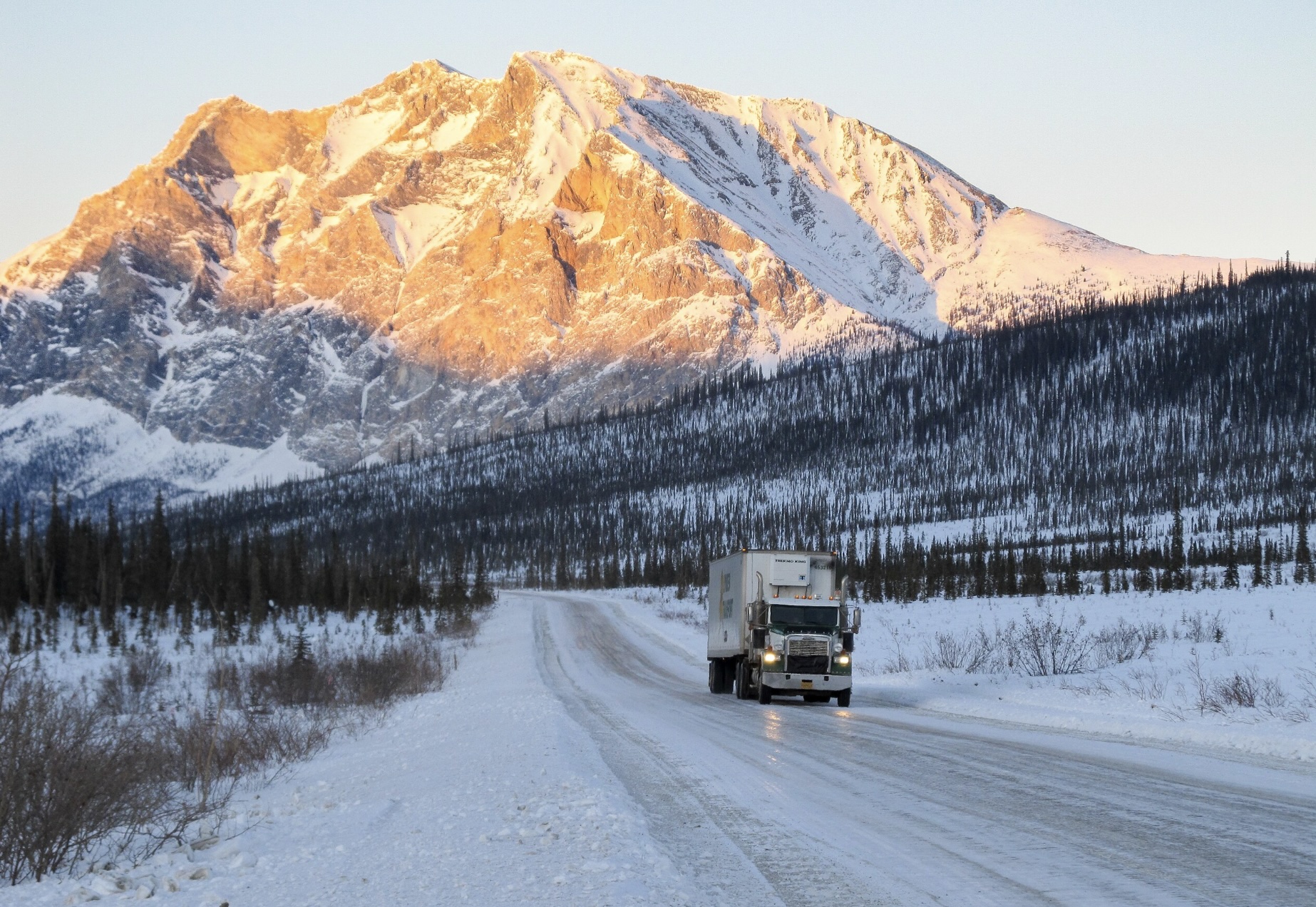
The land stretches through the Dalton Utility Corridor north of the Yukon River, encompassing portions of the route followed by the Dalton Highway and the Trans-Alaska Pipeline System. The corridor also intersects with areas important to the proposed Alaska LNG pipeline and Ambler Road projects.
Alaska selected the land under the Alaska Statehood Act, which entitled the new state to approximately 105 million acres of federal land. But the selections remained blocked for more than five decades by federal Public Land Orders 5150 and 5180, imposed during the Nixon administration as the Trans-Alaska Pipeline was being developed.
In February, Interior Secretary Doug Burgum issued Public Land Order 7966, partially revoking those withdrawals and making approximately 2.1 million acres available for state selection and entry under federal land and mining laws.
The Bureau of Land Management followed in May by issuing tentative approvals covering approximately 1.38 million acres. BLM said the action brought Alaska beyond 96% fulfillment of its Statehood Act entitlement, leaving approximately 3.8 million acres still owed to the state. BLM described the May transfer as a major advance toward fulfilling Alaska’s statehood land grant.
Ten environmental organizations, represented by Trustees for Alaska, filed suit March 10 against Burgum, federal land officials and the State of Alaska. The plaintiffs include the Northern Alaska Environmental Center, Sierra Club, Center for Biological Diversity, The Wilderness Society, Alaska Wilderness League and National Parks Conservation Association.
The lawsuit, Northern Alaska Environmental Center v. Burgum, argues that the Trump administration acted unlawfully by revoking the longstanding withdrawals without sufficient environmental review, public participation or analysis of the effects on subsistence users.
The groups cited the National Environmental Policy Act, the Federal Land Policy and Management Act, the Alaska National Interest Lands Conservation Act and other federal statutes. They sought to vacate Burgum’s order, restore the earlier withdrawals and stop additional land transfers.
Friday’s ruling concluded that Alaska’s sovereign immunity prevents private parties from pursuing claims that would effectively strip the state of lands in which its equitable title has already vested through tentative approval.
The court also concluded that the plaintiffs were unlikely to prevail on their central argument that Congress must take additional action before the land can be conveyed. That finding led the judge to deny their request to freeze further transfers while the lawsuit proceeds.
“Alaska waited more than fifty years for these lands,” Acting Attorney General Cori Mills said. “The court’s decision is an important step toward the promise Congress made at Statehood being kept in full.”
Mills called the ruling a victory for all Alaskans and said state control would allow the land to be managed for economic development, environmental stewardship and the benefit of communities across Alaska.
The environmental organizations sharply criticized the decision and indicated that their legal and political opposition would continue.
“This decision does not erase the harm it poses to communities closest to these lands that will be forced to live with the consequences of a rushed federal action that prioritizes state takeover and extractive development over public process, Tribal sovereignty, and long-term stewardship,” Northern Alaska Environmental Center interim executive director Krystal Lapp said.
The groups argue that transferring the land from federal to state ownership could reduce federal subsistence protections and facilitate mining, roads and other industrial development. They specifically cited the proposed Ambler Road and potential mining projects in the Brooks Range.
Trustees for Alaska attorney Bridget Psarianos said the plaintiffs would continue to challenge what they describe as an inadequate federal process. The Sierra Club said it was evaluating its next legal options. The coalition said it would continue fighting the transfers.
The state, meanwhile, views the corridor as strategically important to Alaska’s transportation, energy and resource economy. Interior has said state ownership could support management of the Dalton Highway and pipeline corridor while advancing Alaska LNG, the Ambler Road and access to mineral prospects.