


By SUZANNE DOWNING
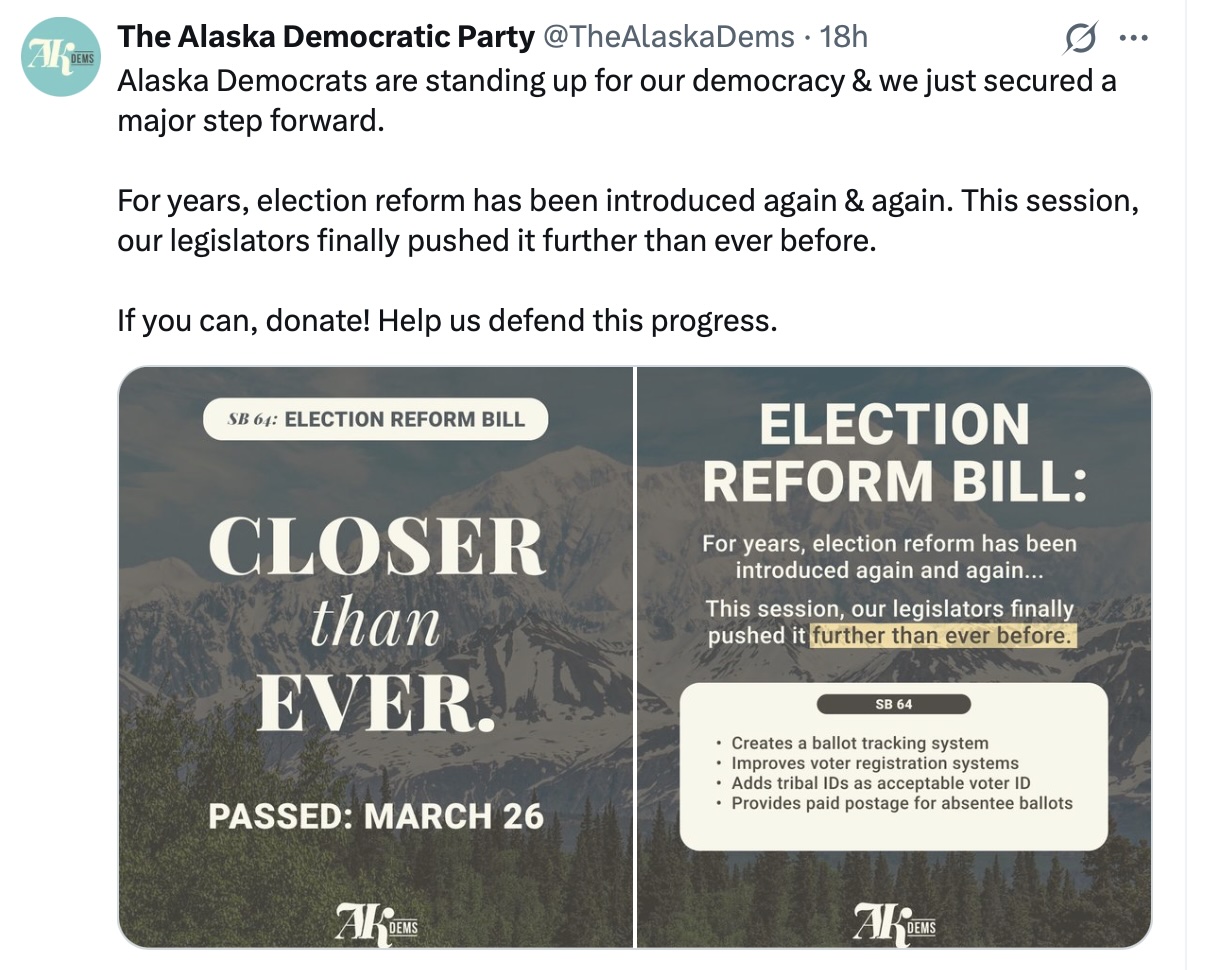
April 3, 2026 – The Alaska Democratic Party is openly celebrating Senate Bill 64 and is using the still-unsigned election overhaul to raise money and pressure Gov. Mike Dunleavy to sign it into law.
In a social media post Thursday, the party called the legislation a “major step forward” and urged supporters to donate to “defend this progress.” The fundraising appeal highlights several provisions in the bill, including paid postage for absentee ballots, expanded use of tribal identification, improved ballot tracking, and a new process allowing voters to correct ballots after Election Day.
“For years, election reform has been introduced again & again. This session, our legislators finally pushed it further than ever before,” the post reads. “If you can, donate! Help us defend this progress.”
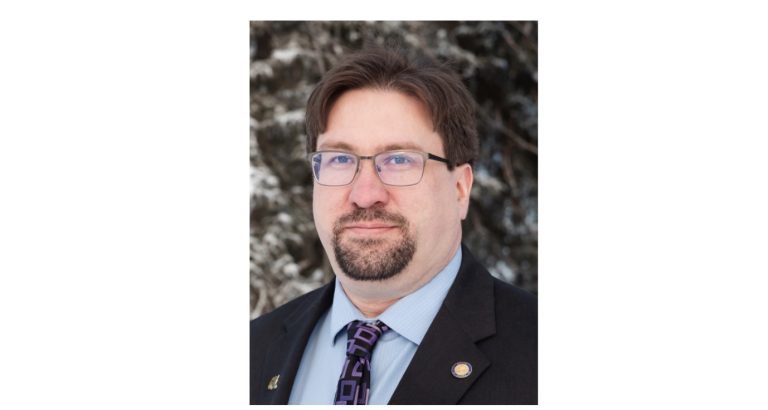
The measure, Senate Bill 64, passed the Legislature with unified Democratic support and limited Republican backing. It was cosponsored by Republican Rep. Sarah Vance and Democrat Sen. Bill Wielechowski. Most Republicans voted against the bill, with support coming primarily from members of the Democrat-dominated majority caucuses and Vance.
The Democratic Party’s fundraising push comes before the bill has been signed into law, underscoring how politically significant the measure has become. With the governor now holding veto authority, the party is signaling it wants the legislation enacted — and is mobilizing supporters to help ensure that outcome.
SB 64 expands acceptable voter identification to tribal ID, but. no photo ID, and adds a process for voters to “cure” absentee ballots if signatures or identification are missing. That’s a benefit to Democrat voters.
The bill raises concerns about election integrity and uneven application of the rules.
First, SB 64 still does not require photo identification. Voters may use non-photo documents such as a birth certificate or other forms of identification that do not necessarily prove Alaska residency. That means Alaska would still lack a basic photo ID requirement, even as the bill is being promoted as an election security measure. It also allows tribal ID, which does not establish state residency.
Second, the bill creates a new post-election ballot curing process. If signatures or ID are missing, election officials can contact voters after Election Day and allow them to fix their ballots. The law requires only a “reasonable effort” to reach voters — language that is vague and could lead to inconsistent treatment.
Third, the measure requires release of daily granular ballot data during counting. Campaigns could potentially track which ballots are in question and conduct targeted outreach to voters whose ballots need curing, a dynamic that tends to favor well-funded political operations like The Alaska Democratic Party.
The Alaska Democratic Party’s fundraising message emphasizes the expansion of absentee voting conveniences, including taxpayer-funded postage and expanded ID options, both long-standing priorities for Democratic lawmakers.
With the bill now on the governor’s desk, Dunleavy faces a choice: Sign the measure and enact the sweeping election changes, or veto it and risk a veto override.
The Democratic Party has made its position clear, and is now asking supporters to help push the bill across the finish line.
5 thoughts on “Alaska Democrats celebrate controversial election bill, SB 64, and are using it to raise money”
Only the red pen will suffice….
Veto like a Corleone!
I’ve been a poll worker in Fairbanks for several years. You have to be a registered voter to vote. To vote in person you have to be on the registration list for that precinct and you have show a picture ID or your voter registration card.
Mail in voting is where the cheating takes place.
MQ. Evidence of your claim would be helpful.
These are the likely next scenarios
Narrative One: Dunleavy vetoes Native voting rights
The attack is simple and sticky. Democrats don’t need to misrepresent the bill. They just point to the tribal ID provision, the rural coordinator, the prepaid envelopes, and the ballot curing language and say Dunleavy looked at a bill specifically designed to fix documented failures in rural Alaska Native communities and said no. Dillingham. Aniak. King Salmon. These are real places where real voters were sent wrong ballots in 2024, had ballots rejected over paperwork, and had no curing process to fix it. Democrats will name those communities by name. They will find voters whose ballots were thrown out. They will put those voters in front of cameras. The governor will have no clean answer because the factual predicate of the attack is accurate.
This narrative travels nationally. Native voting rights is not a parochial Alaska story. It lands in the New York Times, in Indian Country Today, in every outlet that covers Indigenous issues. It becomes a fundraising vehicle for every Democrat running in Alaska in 2026. Mary Peltola uses it against Dan Sullivan from now until November. It does not go away.
Narrative Two: Shower’s betrayal of his own running mate’s people
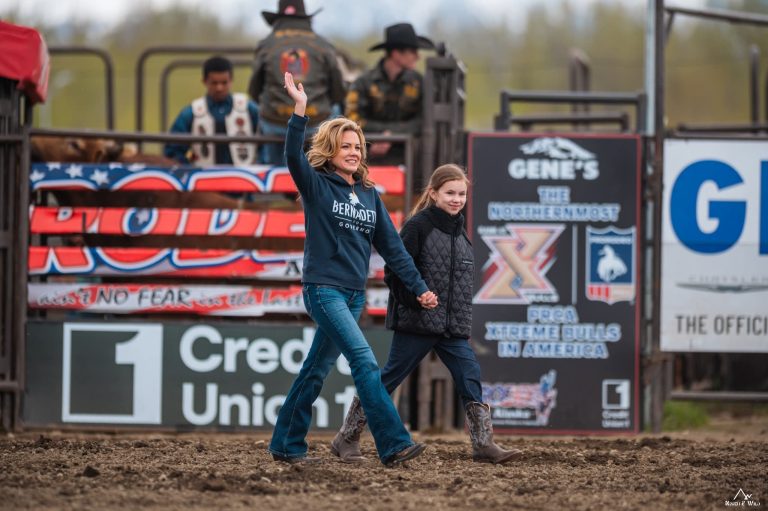
This one is more surgical and more personally damaging to the Wilson-Shower ticket. The sequence is factually airtight. Shower helped author a bill that specifically benefits Alaska Native villagers. Bernadette Wilson is part Alaska Native. Wilson’s allies then ran a pressure campaign to kill the bill. Dunleavy vetoed it. The Democratic line writes itself:
“Mike Shower helped write protections for Alaska Native voters. Then he stood with a campaign that killed those protections. Bernadette Wilson claims to represent Native Alaska but her own running mate’s political operation worked to strip Native Alaskans of tribal ID recognition, prepaid ballots, and rural election support.”
That is a brutal narrative for a ticket that needs Native Alaska to take them seriously. It doesn’t matter whether Wilson personally directed the campaign against SB 64. In politics, association is enough. Her allies did it. Her running mate’s credibility built it. Her ticket benefits from the veto. Democrats will connect those dots publicly and relentlessly.
These two narratives reinforce each other. Every time the Dunleavy veto story runs, Shower’s name appears in it. Every time the Shower contradiction story runs, Native voting rights appears in it. They are the same story told from two angles, and together they define the Wilson-Shower ticket as one that talks about representing rural and Native Alaska while actively working against the tools those communities need to participate in elections.
The only way Dunleavy avoids this entirely is to sign the bill and claim the win. If he cannot do that then just ignoring it and focusing on the PILT Bill is an alternate path. If he signs it, neither previous narrative exists. Democrats celebrating the bill becomes evidence that Republicans delivered something real. The story flips completely.
If he vetoes it, he hands Democrats a gift that keeps producing through the entire 2026 cycle, damages Sullivan, damages the Wilson-Shower ticket, and energizes Native Alaskans against republicans to turnout in exactly the races that will be decided by small margins.