


By SUZANNE DOWNING
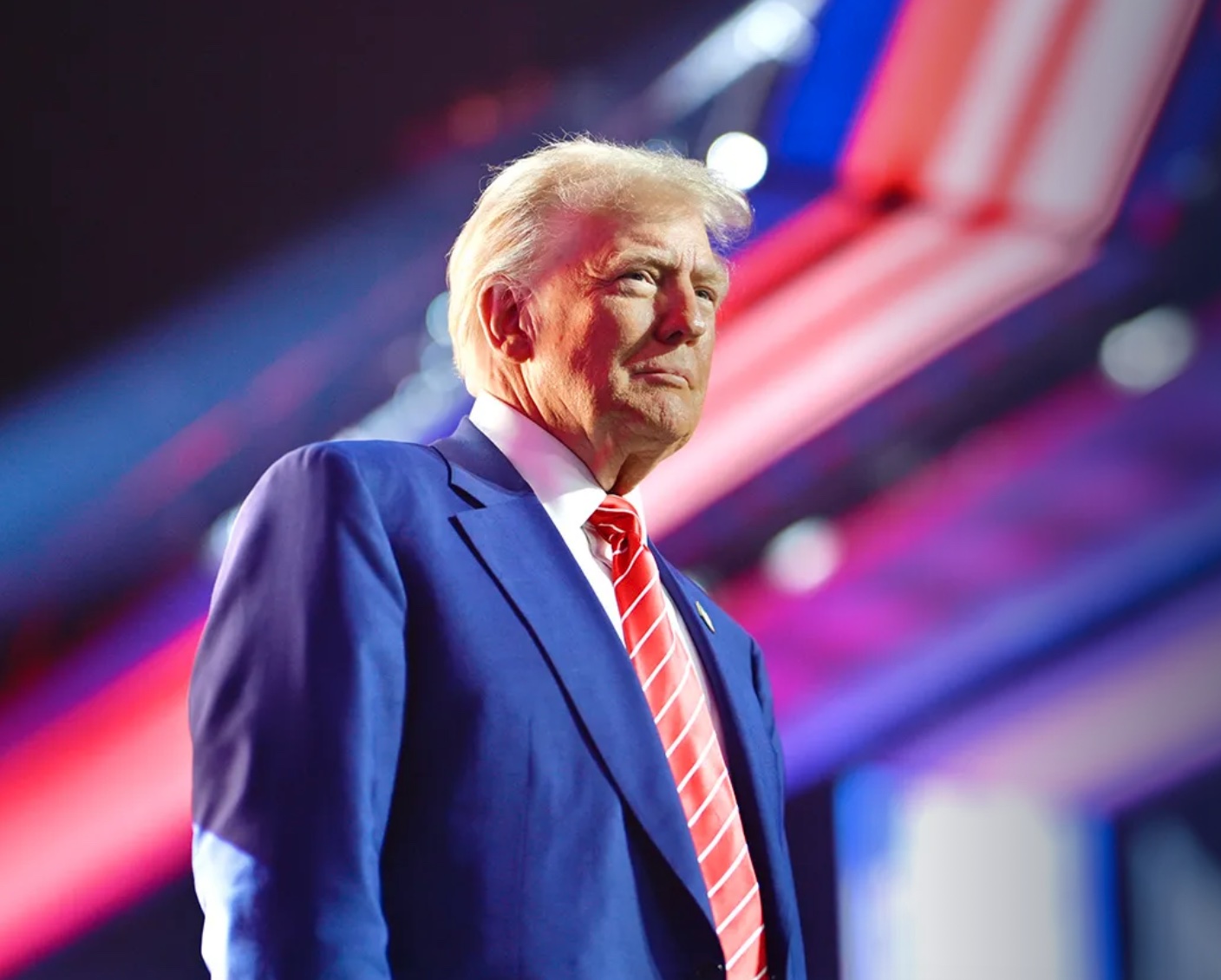
Mary 4, 2026 – The White House has weighed in on one of Alaska’s most consequential energy debates, offering formal support for Gov. Mike Dunleavy’s proposed tax reforms tied to the long-anticipated Alaska LNG project.
In a letter to the state, White House Intergovernmental Affairs Director Alex Meyer signaled federal backing for the governor’s push to overhaul how Alaska taxes liquefied natural gas development. The message: without a stable and competitive tax structure, the massive project faces steeper hurdles to becoming reality.
“Given the scale and complexity of AKLNG, a stable and competitive policy environment is critical to the project’s success,” Meyer wrote. “Clear and predictable tax policy will improve feasibility, attract private investment, and help secure final commitments.”
The endorsement is notable because it places the weight of the White House behind Alaska’s effort to reshape its tax code in order to move one of the largest energy infrastructure projects in North America closer to construction. The Alaska LNG project, decades in the making, is designed to move North Slope natural gas through an 800-mile pipeline to a liquefaction and export terminal, with the potential to supply both domestic markets and US allies overseas.
Dunleavy pointed to the letter as validation of his administration’s approach, which centers on shifting to a volumetric tax model under House Bill 381 and Senate Bill 280. Those measures would tax gas based on the volume produced, rather than relying on more complex valuation systems that can fluctuate with market conditions.
“Alaska has long been a cornerstone of America’s energy future, and this support from the White House affirms the importance of getting our LNG tax policy right,” Dunleavy said. He argued the bills would create a predictable framework capable of unlocking investment and moving the project toward a final investment decision.
Supporters of the change say a simplified, volume-based tax structure reduces uncertainty for investors considering multi-billion-dollar commitments. They also argue it positions Alaska to compete globally in an increasingly crowded LNG market, where countries like Qatar and Australia have already established export dominance.
The White House letter echoed those themes, emphasizing broader national implications beyond Alaska. Meyer noted that reforms improving the project’s feasibility would not only spur job creation and economic activity in the state but also strengthen U.S. energy security.
Dunleavy has increasingly framed Alaska LNG as both an economic development opportunity and a geopolitical asset, capable of supplying cleaner-burning natural gas to allies seeking alternatives to less stable energy sources.
The administration’s support arrives as lawmakers in Juneau continue to weigh the tax proposals, which are central to the governor’s broader strategy to advance the project. While questions remain about cost, timelines, and market conditions, the federal endorsement adds momentum to the effort and signals alignment between state and national energy priorities.
The governor said coordination between state leaders, industry partners, and federal officials will be essential in the months ahead as Alaska seeks to position itself as a major player in global LNG exports.
10 thoughts on “White House sends letter supporting Alaska LNG project”
I doubt there will be a natural gasline built within the time GenAlpha is k-12 students (third graders-to this years 11th graders)
The AKDemocrats Do Not Want another pipeline. Just look at California. And Alaska appears to be continuing Left instead of Right while Alaskans are still government dependent, still scatter—brained, still ununified, still stupid and still illiterate and there is less than six months until the November general election. The results of the Nov election will determine whether or not an Alaska gas pipeline gets built. Investors and shareholders are not stupid, they aren’t going to sign on something uncertain.
Now if we can just get Sen. “Greasy” Giessel out of they way!
Cathy Giessel is a disgrace. I’d gladly take “hookers” on every street corner in Anchorage to give a financial lifeline to this state. Giessel is just mad because she’s so homely looking that she worries her husband will stray on one of those “hookers”.
I’d gladly take hookers on every corner if only to get them the hell out of Juneau!!
Should be a fun summer, as Governor Dunleavy calls the democrat-RINO led legislature back into special session after special session until they pass enabling legislation for the gasline he can sign. Gonna be an interesting campaign. Cheers –
I hope you’re right.
It would be nice, but these cretins in the legislature will play along just long enough to waste a bunch of money flying back/forth to JNU without ever doing anything of consequence.
We don’t need the Federal government to help us “reshape our state’s tax policy”! And we certainly do not need Trump’s endorsement for anything, considering the fact that he is currently polling at the worst levels of ANY president in recent history.
Pretty easy to fact check that claim. O’Biden exceeded Trump in his access to a lower nadir. Sorry. 4 Spinocchios for you.
.
FJB:
Pew (broad spectrum): 33% in 2024
PBS (Independents): 28% in July 2022
DJT:
Marist: 39% (current)
NBC: 37% (April 13)
“Then fool’s approval stings.” – TS Eliot