


By SUZANNE DOWNING
June 19, 2026 – For many Alaskans, there is no better weekend on the calendar than Summer Solstice.
The official start of summer in the Northern Hemisphere arrives Sunday, June 21, at approximately 12:24 a.m. Alaska time, marking the moment when the Earth reaches the point in its orbit where the Northern Hemisphere is tilted most directly toward the sun. It is the longest day of the year, and in Alaska, that means something special.
From the midnight sun of Fairbanks to the lingering twilight of Southeast Alaska, communities across the state are preparing to celebrate one of Alaska’s most beloved annual turning points. While residents in the Lower 48 are squeezing in a few extra minutes of daylight, Alaskans are enjoying a phenomenon that can seem almost magical to visitors: sunlight that barely fades, or in some places never disappears at all.
The science behind the solstice is surprisingly simple. Earth rotates on an axis tilted about 23.5 degrees relative to its orbit around the sun. That tilt, not the Earth’s distance from the sun, creates the seasons. In fact, Earth is actually closer to the sun in January than it is in July.
During the summer solstice, the North Pole is tilted directly toward the sun. The sun reaches its northernmost point in the sky, producing the longest day and shortest night of the year in the Northern Hemisphere. Above the Arctic Circle, the result is 24 hours of daylight — the famous “midnight sun.”
The word “solstice” comes from the Latin words sol, meaning sun, and sistere, meaning to stand still. Ancient observers noticed that the sun appeared to pause in its northward movement before reversing course and beginning its gradual journey southward again.
In Fairbanks, where the sun remains above the horizon for more than 22 hours and twilight fills the remaining minutes, the city hosts Alaska’s largest solstice celebration.
The Midnight Sun Festival takes over downtown Fairbanks on Saturday, June 20, from noon until midnight. Organizers expect more than 30,000 visitors to attend the massive street fair, which features hundreds of food, art, and craft vendors, multiple entertainment stages, family activities, and performances scheduled throughout the day and evening.
For many visitors, however, the most iconic solstice tradition comes later.
The Midnight Sun Baseball Game, a Fairbanks institution dating back to 1906, is one of the state’s most beloved sporting events. Played without artificial lights, the game begins late in the evening and continues well past midnight under natural daylight. The tradition has drawn national attention for generations and remains one of Alaska’s quintessential summer experiences.
Anchorage will host its own Downtown Summer Solstice Festival, with live music, food vendors, family activities, artists, beer gardens, and community events filling downtown parks and streets. The annual celebration coincides with a busy weekend that often includes the Mayor’s Marathon and other outdoor activities taking advantage of Alaska’s brief but vibrant summer.
Elsewhere around the state, communities are putting their own local spin on the occasion.
In Seldovia, across Kachemak Bay from Homer, the Summer Solstice Music Festival brings together musicians, artists, workshops, and community events over several days. Moose Pass, along the Seward Highway, hosts its family-friendly Summer Solstice Festival featuring live music, food, contests, and a distinctly small-town Alaska atmosphere.
Many Alaskans choose a more informal celebration. Campgrounds, riverbanks, beaches, mountain trails, and backyard fire pits fill with families and friends enjoying a night when darkness never truly arrives.
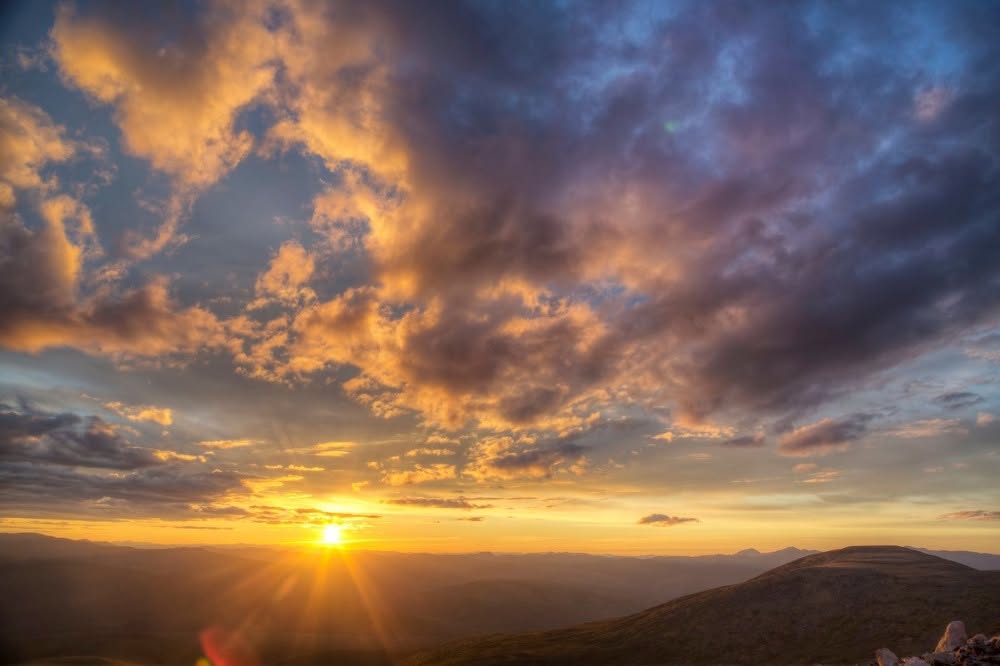
The extended daylight also creates what photographers call the “golden hour” — except in Alaska, it can last for hours. The low-angle sunlight bathes mountains, glaciers, forests, and coastlines in warm tones that seem to stretch endlessly across the evening sky.
For longtime residents, the solstice is more than an astronomical event. It is a milestone marking the peak of Alaska’s short growing season, the height of fishing and tourism activity, and a reminder of the unique relationship Alaskans have with daylight and darkness.
The days will begin getting shorter immediately after the solstice, although the change will be nearly impossible to notice at first. Summer will still have weeks to go.

2 thoughts on “Summer Solstice weekend is here”
A great reminder that nothing is static in Nature. Naturally occuring changes abound constantly. Happy summer solstice.
What the heck? For a moment I was beginning to think it was all a part of the climate change theory they are trying to sell at a huge cost. Thank God someone has some common sense.