


By SUZANNE DOWNING
May 24, 2026 – As the Alaska Legislature reconvened in special session on Thursday, one thing has become clear: Senate leadership has lost patience with the Senate Resources Committee’s handling of the governor’s gasline tax proposal.
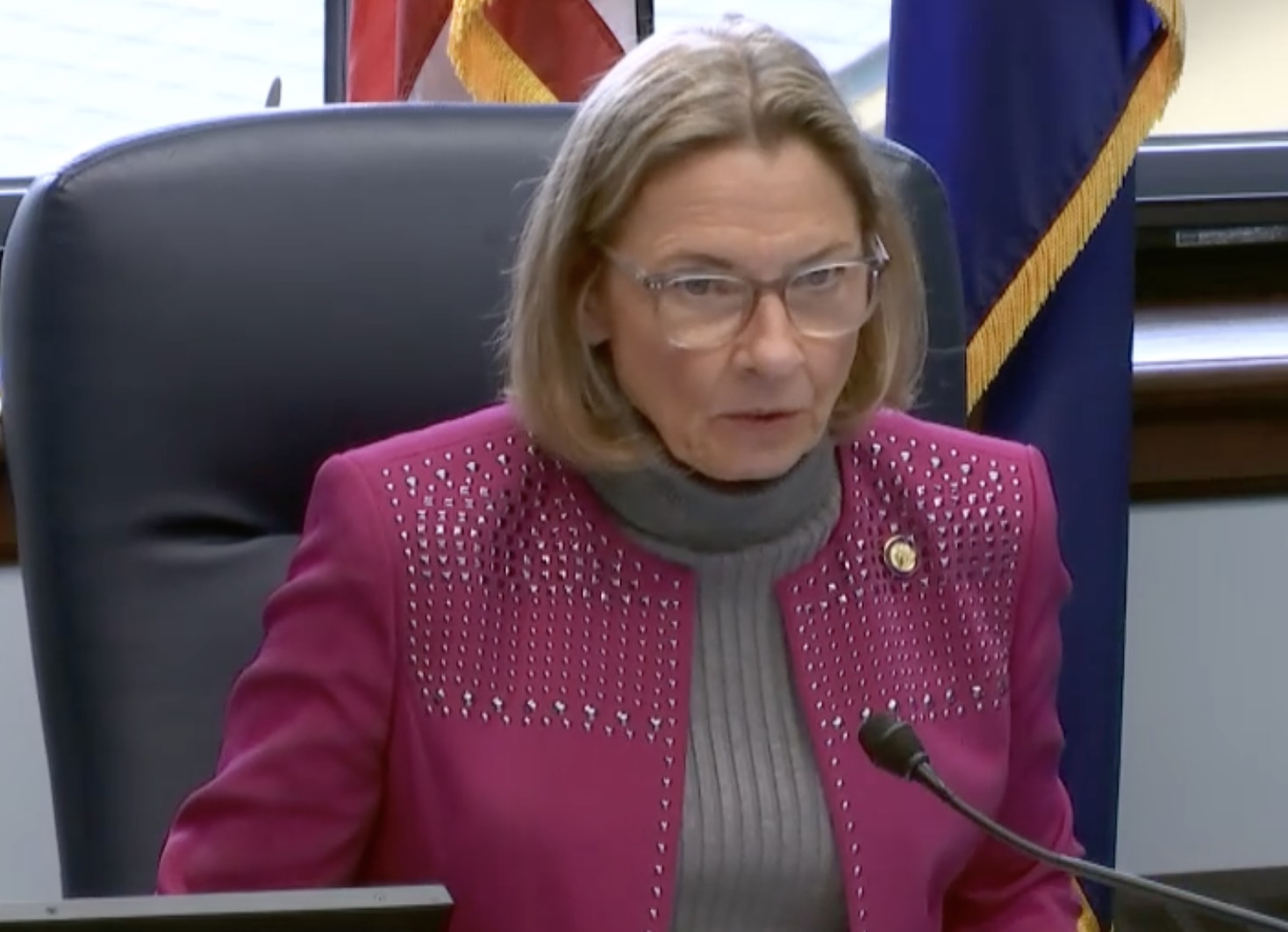
After weeks of hearings, delays, and procedural drift during the regular session, the Alaska LNG tax bill is no longer being routed back through Senate Resources Chairwoman Cathy Giessel. Instead, lawmakers in the Senate are shifting the negotiations directly to Senate Finance, effectively sidelining Giessel and acknowledging what many supporters of the project have argued for weeks, that the bill was intentionally trapped in committee until time ran out.
Gov. Mike Dunleavy called lawmakers back into special session immediately after adjournment on May 21 with one dominant priority: Passing legislation to support the Alaska LNG project by restructuring how the proposed gas pipeline would be taxed.
The tax changes are necessary to make the massive project economically viable and attractive to investors into an expensive-to-build Arctic environment.
At the center of the debate is HB 381. The legislation would shift taxation of qualifying gas pipeline infrastructure away from the traditional local property tax structure, which could eventually generate roughly $1 billion annually for the state and boroughs, and instead move toward a lower volumetric tax based on gas throughput through the proposed pipeline.
Some in the Senate Democrat-dominated majority have expressed concern over surrendering tax revenue for a project they view as uncertain. Skepticism over the project itself mixed with political tensions surrounding the governor throughout the regular session. The attitude toward Gov. Mike Dunleavy by the Senate majority is now the Alaska LNG project’s biggest hurdle.
The Senate Resources Committee, chaired by Giessel, held extensive hearings on the legislation during the regular session, at times conducting daily meetings, yet producing nothing. Despite the marathon hearing schedule, the bill never advanced to Senate Finance or the Senate floor before adjournment.
By the end of session, frustration among supporters of the project had become increasingly visible. Some lawmakers complained the hearings had become a run-out-the-clock tactic, rather than a path toward passage.
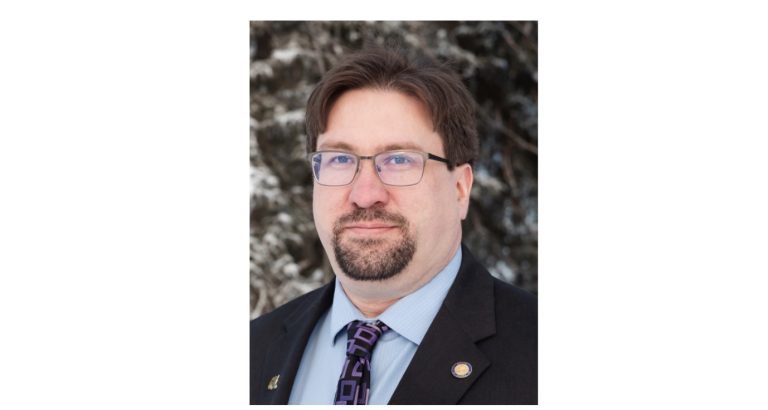
Now, Senate leadership appears to be changing course. Rather than ghettoizing the bill back into Senate Resources, the focus has shifted to Senate Finance, co-chaired by Sen. Bert Stedman, where lawmakers are expected to attempt to negotiate a compromise capable of attracting at least 11 Senate votes and eventual House concurrence before the special session ends.
The move is widely viewed around the Capitol as a tacit acknowledgment that the Resources Committee process had become politically unworkable.
The regular session ended without passage of the gasline package despite frantic last-minute negotiations that included discussions of a broader “pipeline-for-pensions” deal involving defined benefits legislation. That arrangement ultimately collapsed, leaving the LNG tax proposal unfinished.
Dunleavy has since signaled he is prepared to continue calling lawmakers back into special session until the issue is resolved.
Although legislators have largely left Juneau for the moment, Finance committees are continuing work in Anchorage this week. Scheduled meetings include House Finance on May 26 and Senate Finance meetings on May 27, 28, and 29.
The Legislature is next scheduled to formally gavel in again as a whole on June 4, although that could amount to little more than a technical session unless negotiators reach a breakthrough beforehand.
For supporters of the gasline legislation, however, the biggest development may already have happened: The bill is no longer sitting in Senate Resources.

14 thoughts on “Senate sidelines Giessel as Alaska LNG tax bill bypasses Resources Committee in special session”
Even her own colleagues have had too much of the Monster. I left years ago.
I left her decades ago, long before she became a Giessel. I count my blessings.
The “Gremlin Lawn Gnome” will most assuredly will have her feelings hurt, embarrassed from her irresponsible traitorous actions, and then its just a matter of the ‘wacky’ estrogen hormones to kick-in, initiating a lifelong derangement syndrome. Very similar to what’s happened with ‘Ol Honey Bunny (aka: Daddy’s Little Princess).
Halle-freakin-lujah!!!
.
Answered prayer: 🙏🏻🙏🏻🙏🏻🙏🏻🙌🏻🙌🏻
🤜🏻🤛🏻
.
Now, everybody, write your representative and your senator. No matter how hopeless it may (yet) seem, there is always room for His will to be done. And we can only help this cause.
.
Suzanne, I wonder that posting an article with sample letters might inspire others in this forum to share their opinions with the esteemed members of the legislative bodies. Of course, personal notes are always better than form letters.
I won’t bother with my senator( unfortunately Claman). Hes beyond all hope and doesn’t care what his,lowly serfs( voters) think. My rep is the two faced Costello. Shel will do whatever suits whoever is,paying her this time.
Without the big dog oil companies supporting phase 2 of the LNG line the project is doomed , no exports equals no money.
Goalposts moved. Congratulations. Cheers –
The Governor wants the State of Alaska Legislature to codify the existence of 8-Star and Glenfarnes 75% ownership for public record to legitimize its legality.
The smoke in mirror pressure of a tax code is not the barrier to the AK LNG project financing.
The barrier is how this administration handed over all control to a private company.
Brandan Duval can line up everyone from the Pope to his resting ancestors, but financing requires due diligence.
Governor Dunleavy did not fully exercise his fiduciary duty as the Chief Executive Officer for the State of Alaska.
Maybe it is a good deal, but it is now on the shoulders of our actual lawmakers to clean up the Governor’s missteps.
If the Alaska Legislature chooses not to act and chooses to stay silent, the clock will run out on Glenfarnes interest in the AK LNG project.
That does not mean the clock runs out on the global interest in the AK LNG project.
The world is watching. What side of history will the lawmakers find themselves?
Interesting days for certain!!
Since the State of Alaska retains interest in this project-the Senate Finance Committee could request a session with the States LNG attorney of record , Sidley Austin, LLP.
I hope that Senator Giessel receives the mental health care she so desperately needs.
A boot through the back door is the only help she deserves.
So, well maybe Giessel‘s prediction of rampant pipeline prostitution and other social ills related to O&G were over-hyped?
My goodness. Having her in the same room as Glenfarne was a disaster. Someone send Glenfarne a fruit basket and an apology letter, ASAP. Let’s get this figured out and start laying pipe.
People laying pipe was one of giessels biggest issues with the project. Probably because they weren’t paying her hourly rate for the pipelaying
A hopeful sign, though I worry that it is another instance of Bad Cop (Cathy), Worse Cop (Bert). We will see. Cheers –