


By ROBERT SEITZ
June 23, 2026 – I cannot believe that we have a set of legislators who think government needs to be in control instead of private enterprise and capitalism.
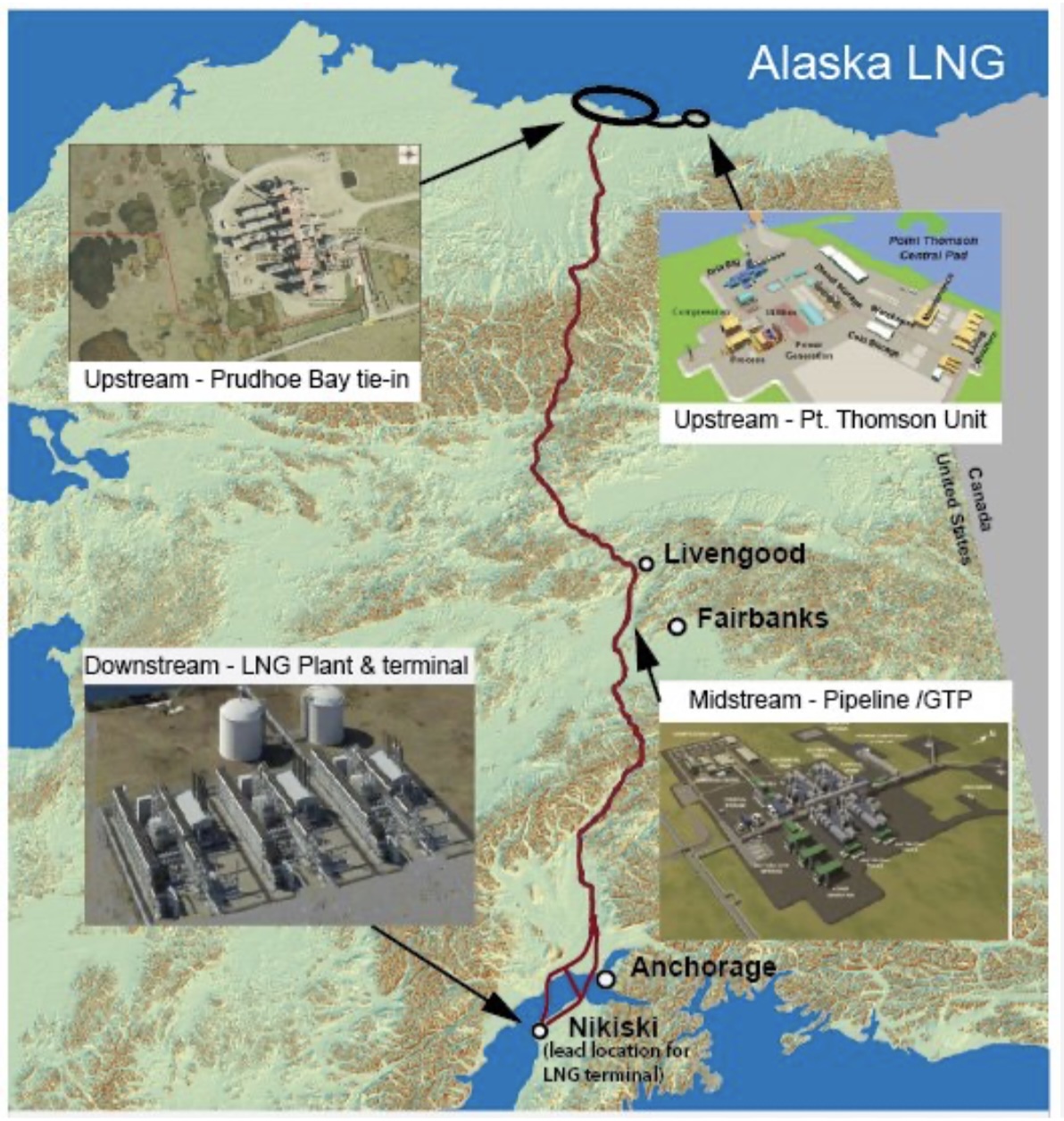
The deliberation started with a request for relief from property tax in order to show potential investor and financiers that the financial burdens that various municipalities might place on the AkLNG project would not outweigh the willingness for them to provide the additional financing Glenfarne needs to ensure the ability to get the project started and to finish the project.
Looking to the Trans Alaska Pipeline project for crude oil is not anywhere the same as the AkLNG project. Once the TAPS was completed it was ready to pump oil south to sell. Once the compressed gas pipeline is complete, the natural gas will not be available to transport out of state for sale to anyone. Because of this the property tax burden needs to be much less cumbersome that it was for TAPS.
Legislation can be set up to allow some adjustment in the future if it can be demonstrated that the property tax revenues are not enough for one or more localities to cover the increased expense of increased population and activity in their area. We don’t need to solve a problem now that does not exist. We do need to address the problem we do have now, lack of enterprise and commerce. Enable the AkLNG project so it can get started. Once it is started further understanding of what the project will or can be will become more clear and more answers will be available.
Once the project is activated cash will flow within the State, workers will come north, subcontracts will be signed and work will commence. That cash flow will encourage entrepreneurship and more new opportunities. And as long as we are encouraging the development of the AkLNG project, don’t forget to encourage increased effort to increase Cook Inlet natural gas production.
The producers need the same kind of support that would encourage investors to increase the funds available to drill more holes to get more gas, so we can stop the negative impact of “Cook Inlet gas is running out” conversations. Let’s get ‘er done.
Robert Seitz is a professional electrical engineer and lifelong Alaskan.
5 thoughts on “Robert Seitz: Don’t be timid, pass the property tax relief now”
Could we actually have a set of legislators who believe: (a) government needs to be in control instead of private enterprise and capitalism because we own 25% of this enterprise, and (b) government has authority and fiduciary responsibility to regulate and tax it?
.
The fact that neither Glenfarm, its proponents, or you, Robert, have answered reasonably simple questions about this scheme may suggest something sketchy, or maybe they don’t know, but are quite willing to gamble the State’s (our) money to find out. Alaskans have a 25% stake in the outcome, but no one’s asking on their behalf, remind again why?
(https://thealaskastory.com/secretary-of-interior-burgum-calls-out-the-legislature/)
.
Maybe Glenfarme sees Alaska, with its 25% stake in the project, as a cash cow to cover cost overruns and rate increases, (b) inevitable overruns and increases may be already baked into “increased” project cost, and (c) the legislature, justifiably seen as the cause of most of Alaska’s troubles, can be conveniently blamed if “incresed” cost turns out to be problematic.
.
Nothing proves Cook Inlet gas reserves are bouncing on empty, nothing proves other practical, viable -less expensive- options to the project are unworkable and should not be allowed to happen. Yet we’re not talking about them, remind again why?
.
And Glenfarme’s apparent promise of price controls on customer rates seems unrealistic, at best. At worst, their promise is disturbingly amnesic. Remember the effect of price controls on supply during the 1970’s oil crisis? Now Alaskans may be forced into re-learning it, remind again why?
.
Does this ring a bell, is anything happening differently now? “We economists don’t know much, but we do know how to create a shortage. If you want to create a shortage of tomatoes, for example, just pass a law that retailers can’t sell tomatoes for more than two cents per pound. Instantly you’ll have a tomato shortage. It’s the same with oil or gas.”
(“Friedman Blames Mess on Federal ‘Helpers’,” Los Angeles Times, February 10, 1977)
.
Maybe there’s an ulterior motive, lowballing, setting domestic prices artificially, temporarily low to discourage popular support for, and investment in, the other three (3) options.
.
Of course none of these bad things could ever happen here, remind again why?
.
Who knows? We damn sure don’t. But for our 25% stake, maybe we should know, remind again why not?
Is it possible that much of this resistance (as well as that of past attempts to build a gas line) is surreptitiously the environmental industry in sheep’s wool?
Thats Wielechowski, right there
Possible, or probable?
The Devil is in the details! Are we talking about property tax forgiveness or deferment? If it is the latter than legislators need to get moving on this vital energy project. However, if it is forgiveness, then once again Alaskans will get the shaft while industry gets the mine. This is not an insurmountable problem. We don’t need any bullying rhetoric on either side right now, but careful tax planning that is fair to the public and to Glenfarne.