


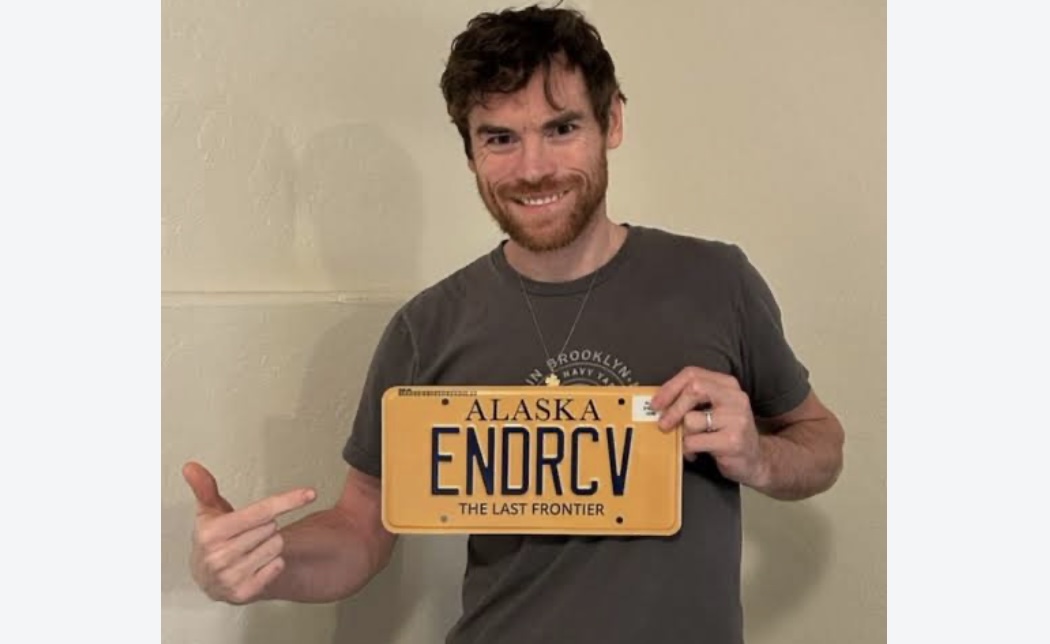
By PHIL IZON
Oct. 31, 2026 – In 2024, I launched the first campaign to repeal ranked-choice voting in Alaska, less than two years after the state’s first RCV election, which followed the narrow passage of the 2020 ballot measure that adopted the system. Most Alaskans were still learning the rules. Maine was the only other state using RCV statewide; elsewhere, it was limited to a handful of cities and counties.
The 2020 measure paired RCV and a “top-four” jungle primary with new campaign-finance disclosure rules billed as a ban on “dark money.” Many Alaskans supported the package for the disclosure language and did not fully grasp what the voting changes would do.
The 2022 results were clarifying. Turnout fell to 44%, the lowest in state history. Older voters and many Alaska Native voters found the process confusing and frustrating. A Princeton University study found that RCV disproportionately hurt Alaska Native populations compared with white populations. Ballots were voided over ranking errors. Even my grandfather, an educated small-business owner, struggled with the system. Watching friends, neighbors, and relatives grapple with it convinced me it had to go.
With no outside money, I recruited hundreds of Alaskans. We collected more than 42,000 signatures from 34 of the state’s 40 House districts. After aggressive challenges from the opposition, 37,043 were verified, well above the threshold and, by available measures, making this the most successful purely grassroots petition drive in Alaska history.
Pro-RCV groups answered with roughly $15 million, much of it dark money routed through national networks. They outspent us by about 100-to-1. On election night, “Yes on 2” led by roughly 4,000 votes and stayed ahead for more than two weeks. As absentee and other ballots were processed over an extended counting period, the “No” side pulled ahead. An automatic recount confirmed the result: We lost by 743 votes, the closest statewide contest in Alaska’s history. It took $15 million and weeks of counting for the other side to eke out a win. That margin, after such lopsided spending, showed how many Alaskans had already soured on the system after one cycle.
Alaska voters now have another chance. The state is reliably red: President Trump carried it by nearly 15 points in 2016 and more than 13 points in 2024, which made it an attractive target for national RCV advocates. The system has a documented pattern of shifting outcomes leftward. In red states, it helps elect candidates such as Mary Peltola; in deep-blue cities such as Oakland, New York City, and San Francisco, it has pulled politics further left. The Communist Party USA endorsed RCV in 2024 as part of its “struggle for democracy.”
RCV also rewards specific tactics. Cross-endorsements and low-probability “decoy” candidates allow campaigns to game rankings. Progressive groups such as FairVote call this less toxic; the record says otherwise. In New York City, Zohran Mamdani advanced in a primary with help from far-left cross-endorsements and then won, after which the city saw rising crime and large-scale capital flight under his administration.
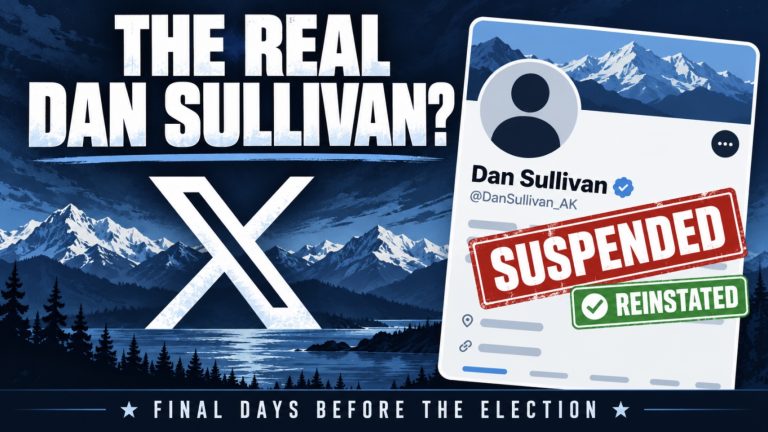
Alaska’s current Senate race illustrates the same vulnerability. Progressives arranged for a candidate with the same name as incumbent Sen. Dan Sullivan to appear on the ballot. A New York Times investigation linked the effort to Mary Peltola’s orbit. The clear intent is to sow confusion in the ranking process and boost Peltola’s chances, an outcome far harder to engineer under traditional party primaries and single-choice general elections.
Separately, Alaska’s jungle primary has already produced absurdities, including a New York federal prisoner who has never lived in the state advancing toward the general-election ballot for the state’s only House seat.
As Suzanne Downing has documented, these outcomes are not bugs; they are features of a system that weakens party accountability, blurs distinctions, and opens the door to election games financed by outside groups, including networks tied to Arabella Advisors.
Voting “Yes” on Ballot Measure 2 rejects this failed experiment. It restores partisan primaries and simple plurality general elections, ends ballot exhaustion and multiweek counts, and returns transparency. My underfunded 2024 grassroots effort nearly defeated a well-funded national campaign. Alaskans who vote and bring others with them can finish the job.
Even if we fall short again in 2026, I have already said I will return with another repeal effort. We are not primarily fighting local neighbors. We are opposing large, well-resourced organizations that have treated Alaska as a proving ground. These fights require broad support.
“I have not yet begun to fight.” — John Paul Jones
Vote Yes on 2.
Phil Izon is an Alaskan who ran the first attempt to repeal ranked-choice voting in Alaska.


One thought on “Phil Izon: We came within 743 votes of repealing RCV. Let’s finish the job”
I rank Phil Izon #1, Phil Izon #2, Phil Izon #3, and Phil Izon #4.
.
Keep up the good fight, Phil!