

By SUZANNE DOWNING
Oct. 27, 2026 – Senior congressional Democrats from both the House and Senate are threatening American banks, ports and energy businesses, telling them to stay away from Russian diesel shipments that were authorized by the Trump Administration. It’s the Democrat attempt to effort that could obstruct a potential source of fuel-price relief.
The lawmakers cite sanctions law and Russia’s war against Ukraine. But their demands reach directly into the supply chain: They want businesses to refuse financing, transportation, unloading and distribution of Russian diesel, including transactions supplying overseas markets.
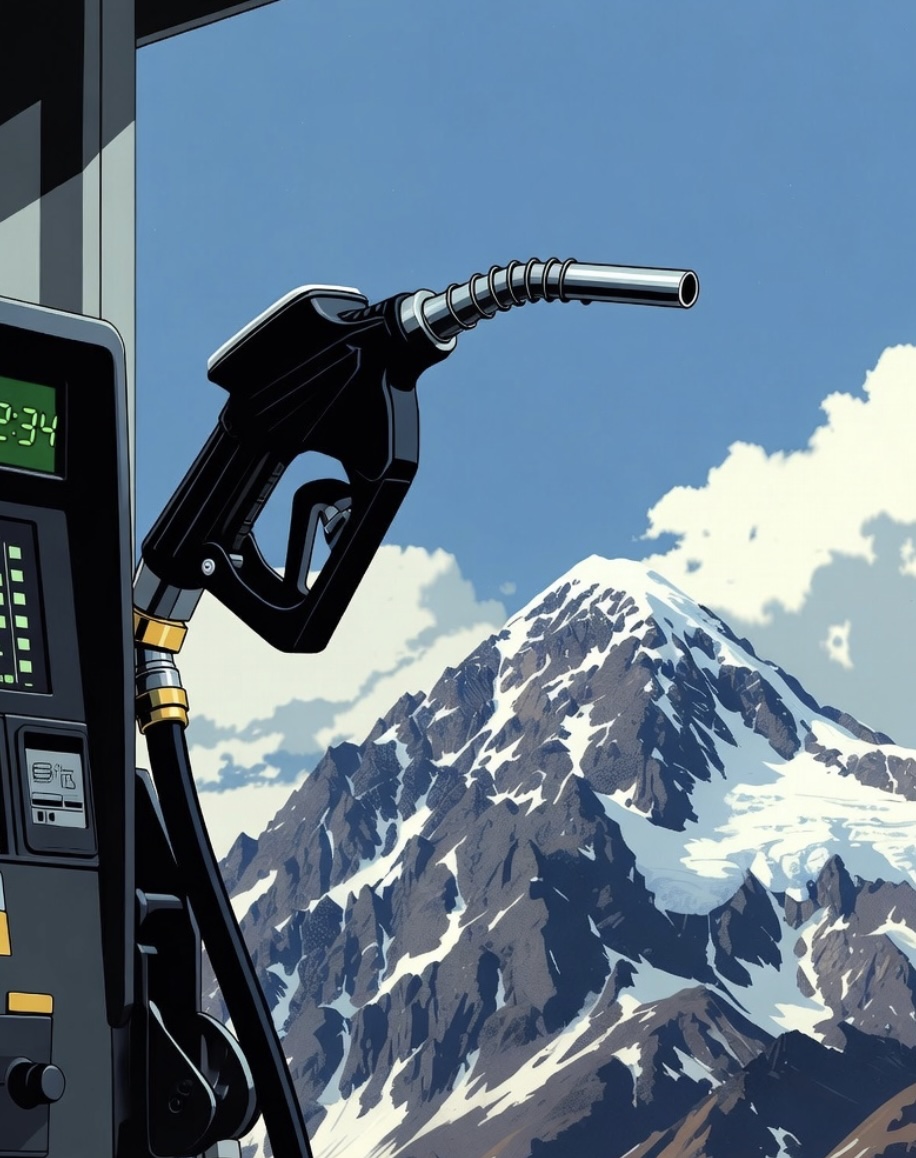
President Donald Trump announced the arrangement with Russian President Vladimir Putin on Oct. 9 as an effort to expand diesel supplies. That day, the Treasury Department issued General License 135, authorizing transactions involving Russian diesel, including imports into the United States, through April 7, 2027.
Now, lawmakers are warning businesses that participating could expose them to investigations and legal consequences despite Treasury’s authorization.
The Oct. 24 letters were signed by Democratic Sens. Jeanne Shaheen of New Hampshire, Chris Coons of Delaware, Elizabeth Warren of Massachusetts, Ron Wyden of Oregon and Sheldon Whitehouse of Rhode Island; Democratic Rep. Gregory Meeks of New York; and retiring Republican Sen. Thom Tillis of North Carolina.
Recipients of the letter included JPMorgan Chase, Bank of America, Citigroup, Wells Fargo, Goldman Sachs and Morgan Stanley, along with port authorities in Houston, Beaumont, Corpus Christi and New York/New Jersey.
The lawmakers demand the Trump Administration preserve transaction records and communications, with written confirmation by Oct. 28, a precursor to legal action.
Their legal argument is that Treasury cannot use a sanctions license to override the Ending Importation of Russian Oil Act of 2022. The lawmakers contend that the administration has not satisfied the statutory conditions and congressional review requirements for lifting restrictions. They also argue that diesel purchases would help finance Russia’s continuing war against Ukraine.
Treasury maintains that the arrangement is legal. The dispute therefore involves competing claims about presidential authority, rather than an established judicial finding that businesses accepting the cargoes would be breaking the law.
Rep. Jamie Raskin, the Maryland Democrat who serves as ranking member of the House Judiciary Committee, separately escalated the pressure on energy businesses.
In an Oct. 26 letter to the American Petroleum Institute, U.S. Chamber of Commerce and American Fuel & Petrochemical Manufacturers, Raskin warned that participating companies could face civil and criminal penalties, including potentially substantial fines and prison sentences.
“Those who choose to act in this way proceed at their own risk,” Raskin wrote. His warning explicitly extended the prospect of accountability into a future administration.
For businesses deciding whether to handle the fuel, that creates a practical deterrent: Federal permission today comes alongside threats of congressional scrutiny and future prosecution.
The price implications require a distinction. Blocking additional fuel supplies can limit opportunities for prices to decline, but it has not been established that these letters have raised diesel prices. Nor is it certain that Trump’s arrangement would produce substantial savings. S&P Global reported that analysts questioned Russia’s ability to increase exports enough to materially lower American diesel prices in the near term.
The political contrast nevertheless reaches Alaska, where Democratic Senate candidate Mary Peltola is campaigning on affordability while her congressional ally works to discourage participation in the diesel price-reduction plan.
Peltola’s connection to Raskin includes a documented campaign partnership. In March 2023, she announced that she was joining his Democracy Summer initiative, which trains young Democratic organizers in voter outreach and campaigning. That partnership establishes a political connection; it does not establish that she participated in his diesel warning.
On Monday’s broadcast of MS NOW’s “The Last Word,” Peltola said people were “just being crushed by corporate greed” and blamed “this war in Iran” for “driving all of our costs through the roof,” according to a published account of the interview.
Those affordability arguments now sit alongside an effort by prominent Democrats she would join in preventing businesses from handling fuel the administration has authorized to ease supply pressures.