


THE ALASKA STORY
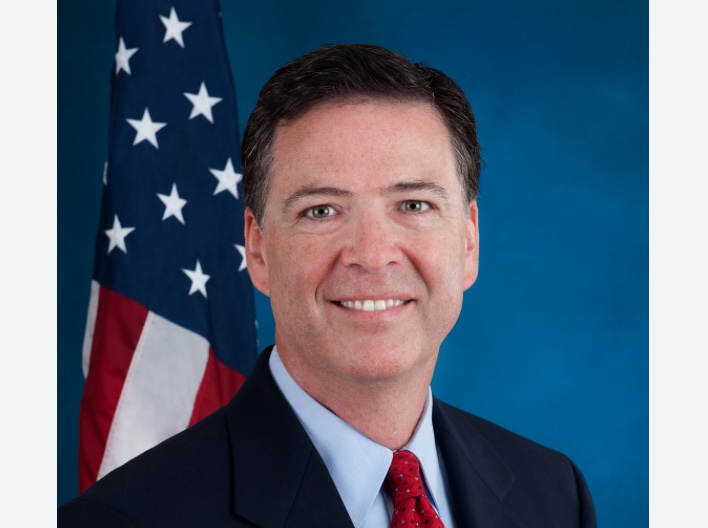
Oct. 27, 2026 – Former FBI Director James Comey faces two new federal charges alleging he directed the disclosure of national defense information to a New York Times reporter in 2016, opening a third criminal case against him during President Donald Trump’s second administration.
The charges became public Oct. 26, when a criminal information filed under seal on Oct. 5 was unsealed at Comey’s request. His attorneys have moved to dismiss the case, challenging both the allegations and the government’s attempt to preserve its prosecution deadline.
Prosecutors allege Comey directed a disclosure through one or more co-conspirators while serving as FBI director. The case concerns information provided to Times reporter Charlie Savage for an Oct. 5, 2016, article about Yahoo’s assistance with U.S. email surveillance.
According to reporting on the allegations, the disclosure was intended to correct perceived inaccuracies in an earlier Reuters report. Prosecutors contend the information should not have been disclosed. The publicly described charging document offers limited detail about the material involved.
The two counts allege unlawful transmission of national defense information and conspiracy to transmit it, under the Espionage Act.
A dispute over the prosecution deadline
A central question is whether prosecutors acted in time.
The Justice Department filed a criminal information — a charging document submitted by prosecutors — rather than obtaining a grand-jury indictment. It says the filing was intended to stop the 10-year statute of limitations from expiring while investigators continued their work.
Comey’s attorneys argue that an information filed without his consent cannot accomplish that purpose and that the prosecution is therefore time-barred. The department has defended its approach as a recognized federal court practice.
The distinction matters because the filing does not represent a grand jury’s approval of the charges. Whether it preserves the government’s ability to pursue an indictment remains contested.
Comey’s defense also says the alleged disclosure was investigated previously without charges. The Associated Press reported that an earlier review resulted in a recommendation against prosecution in 2018, and another investigation closed without charges in 2020.
Third criminal case
The latest action follows two other federal cases against the former director.
A Virginia case accusing Comey of making false statements to Congress and obstructing a congressional proceeding was dismissed after a judge found that the prosecutor who obtained the indictment had been unlawfully appointed.
A separate North Carolina case concerns a social-media photograph of seashells arranged as “8647,” which prosecutors allege constituted a threat against Trump. That case remains pending.
Comey denies wrongdoing. Responding to the latest charges, he called the prosecution an “appalling abuse of the Department of Justice” and said, “I’m still innocent.”