


By SUZANNE DOWNING
June 7, 2026 – Eighty-four years ago today, on June 7, 1942, Japanese forces came ashore on Attu Island in Alaska’s western Aleutian chain, beginning a chapter of World War II that remains one of the least-known episodes in American history.
The landing was part of Japan’s Aleutian Islands campaign, a military operation launched in conjunction with the larger Battle of Midway. In the days leading up to the invasion, Japanese aircraft had bombed Dutch Harbor on Unalaska Island on June 3 and 4. Japanese troops, (about 550 marines from the 3rd Special Landing Force) landed on and occupied Kiska Island on June 6. They captured a small US Navy weather station crew of 10 men (killing 2 and taking the rest prisoner). Then they turned their attention to Attu.
The invasion of that week marked the only time during World War II that enemy forces occupied American soil on the North American continent.
Attu, located near the western end of the Aleutian chain, was remote and sparsely populated. Japanese troops encountered little resistance when they landed. The island’s small community consisted primarily of Aleut residents, along with schoolteacher Charles Foster Jones and his wife, Etta.
The island’s approximately 40 residents quickly found themselves prisoners of war.
Japanese forces initially held the civilians on Attu, confining and interrogating them. By September 1942, the captives were transported across the Pacific to Japan, where they were interned in a camp near Otaru on the northern island of Hokkaido.
The years that followed proved devastating for the Attu community.
Harsh living conditions, disease, malnutrition and lack of medical care took a heavy toll. About 16 of the captives died during their internment, including Charles Jones. The losses represented nearly 40% of the small community.
The surviving prisoners remained in captivity until the end of the war. Following Japan’s surrender in 1945, they were liberated and eventually returned to the United States. Etta Jones survived the ordeal and came home, moved to Florida, and died in 1965 at the age of 86. She never returned to Alaska.
After the war, the US military maintained a presence on the island and determined that rebuilding the village was impractical. Former residents were relocated elsewhere in the Aleutians, including Atka. The original Attu community was never reestablished. Attu remains uninhabited.
The invasion also helped shape federal decisions to evacuate other Aleut communities during the war. Thousands of Alaska Natives from villages across the Aleutians and Pribilofs were removed from their homes and relocated to internment camps in Southeast Alaska, where many endured poor conditions, disease and death.
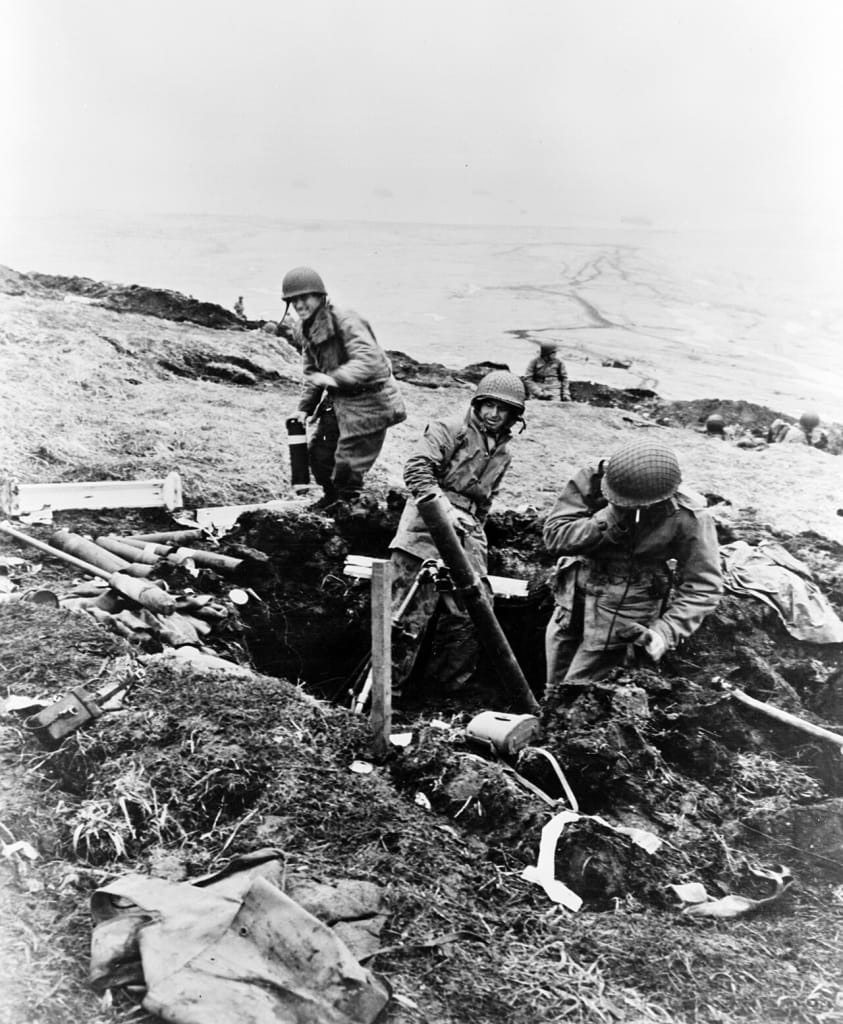
Japanese occupation of Attu lasted nearly a year. In May 1943, American forces launched an operation to retake the island. The resulting Battle of Attu became one of the bloodiest campaigns of the Pacific War relative to the number of troops involved. Fighting in brutal weather and rugged terrain, American and Japanese forces suffered heavy casualties before the island was secured.
Today, Attu remains uninhabited, a windswept outpost at the far edge of Alaska.



3 thoughts on “June 7, 1942: The day Imperial Japanese troops landed on Attu”
Attu: It’s not the end of the world but you can see it from there.
My dad’s boss for 20-plus years, Chuck Huntley, knew and worked with Charles Jones before WWII. They both worked radio outposts in the Far North. Chuck was on the Wrangell Island expedition in the 30’s.
There is more (and more accurate) information available about Charles Jones. He was not the schoolteacher; his wife Etta was. Charles was the maintenance man, BIA radio operator, and NWS weather reporter for the island. NWS’s tribute to him was an article titled “The Last Weather Report”.
When the invasion happened, he sent his last weather report, and “The Japs are here”, and then smashed the radio. The Japanese brutally interrogated him, and then shot him when he would not fix the radio.
As of the 2014 ADN article (which I think was a review of the book “Last Letters from Attu”, about his wife Etta) he was the only civilian buried in the Ft. Rich cemetery.
I have not seen the actual citation, but can believe it must have been something to the effect that, though a civilian, he served his country like a good soldier to the end.