


By SUZANNE DOWNING
Feb. 27, 2026 – A bill moving through the Alaska Legislature would create a formal veteran sentencing program for certain misdemeanor offenders, giving courts the authority to divert eligible veterans into treatment-focused supervision, and potentially clear their records upon successful completion.
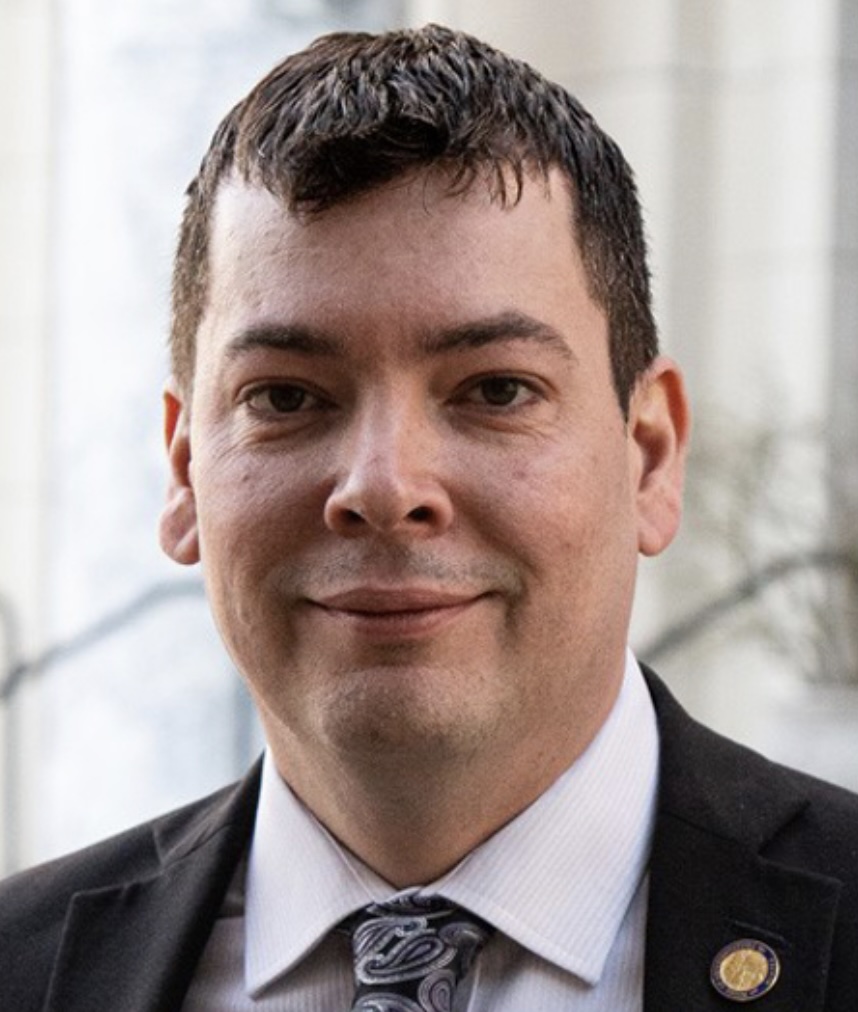
House Bill 299, sponsored by Rep. Will Stapp of Fairbanks, who is a veteran, establishes the program in statute and requires early identification of veteran status at arrest and arraignment. Other veterans — Rep. Jamie Allard and Rep. Andrew Gray — have signed on as cosponsors.
Under the proposal, law enforcement officers would be required to ask a person “immediately after arrest” whether they are a veteran. At the first court appearance, judges must inform defendants about the availability of the veteran sentencing program.
Veteran status could be confirmed through state or federal databases, a DD-214 discharge document, or military identification.
The bill adopts the definition of “veteran” already contained in Alaska statute.
The program would apply only to veterans charged with misdemeanors that are eligible for probation.
To participate, the veteran must show “one or more indicators of mental or physical symptoms of a condition from military service that may have contributed to the offense.” The bill specifically references:
-
Post-traumatic stress disorder (PTSD)
-
Traumatic brain injury (TBI)
-
Military sexual trauma
-
Substance use disorder
-
Other service-related mental health conditions
Participation would be voluntary, and courts would retain discretion to deny entry if the judge determines the program would not “reasonably ensure public safety.”
The sentencing program could include probation, individualized case plans, and evidence-based treatment tailored to veterans. A mental health professional’s assessment would be required to help design the supervision and treatment goals.
Judges would set the conditions of participation and hold a final hearing to determine whether the veteran successfully completed the program.
If completed successfully, the court could set aside the conviction, reduce the misdemeanor charge, and expunge the conviction from the veteran’s record. The inclusion of expungement authority is notable, as Alaska law traditionally limits expungement of criminal records.
HB 299 would also add veteran status as a formal mitigating factor during sentencing. Courts could consider overseas deployment, exposure to danger, a service-connected disability rating, or individual merit earned during service when determining punishment.
The Alaska Criminal Justice Commission would be required to track outcomes of the program, including:
-
Number of participants who complete it
-
Recidivism rates
-
Housing status
-
Employment outcomes
The commission must also conduct ongoing evaluations and occasionally seek independent reviews using causal research methods.
Because the bill indirectly amends Alaska Rules of Criminal Procedure related to sentence reduction and dismissal of charges, it requires a two-thirds vote in each legislative chamber to take effect.
Although Alaska already operates therapeutic courts in some areas, HB 299 would create a statewide statutory framework for veteran-focused sentencing. Similar veteran treatment courts exist in many other states, premised on the idea that service-related trauma can contribute to criminal behavior and that treatment may reduce repeat offenses.
The bill is likely to raise discussion about equal treatment under the law, public safety safeguards, fiscal impacts, and the scope of expungement authority. As drafted, however, the measure is limited to misdemeanors eligible for probation and leaves final discretion with the court.



3 thoughts on “House Bill 299 would create veteran sentencing program for Alaska misdemeanors”
Stapp needs to get over himself. Half of my family served in the military. Many with distinction and honors. And they don’t go around bragging about it to everyone. Stapp is like a little child. I, along with many others, won’t be voting for him anymore. He’s a huge risk.
Why are politician so hellbent on finding “reasons/excuses” for criminal behavior, instead of simply setting the law to adjudicate the crime at hand equally across the board. It conveys the impression of an entitlement to behave badly and hurt or damage others, because of your life circumstances and poor decisions. That’s wrong!
These are veterans, who should be responsible adults, behave as such and actions have consequences. Do not create another “special class” or you invalidate everything these veterans stood for and fought for, namely that we are ALL created equal.
That’s absurd. I, for one, really appreciate the service veterans have given our country. The vets that I know would all say that they should be held to a higher standard, not a lower one. It would likely be unconstitutional, also. Several other groups could claim greater vulnerability, for example, Alaska natives have higher rates of sexual trauma and substance abuse. Can they get special sentencing, too? I’d guess that by the time we were done, those who would be subject to “normal” sentencing would be a small minority.