


By SUZANNE DOWNING
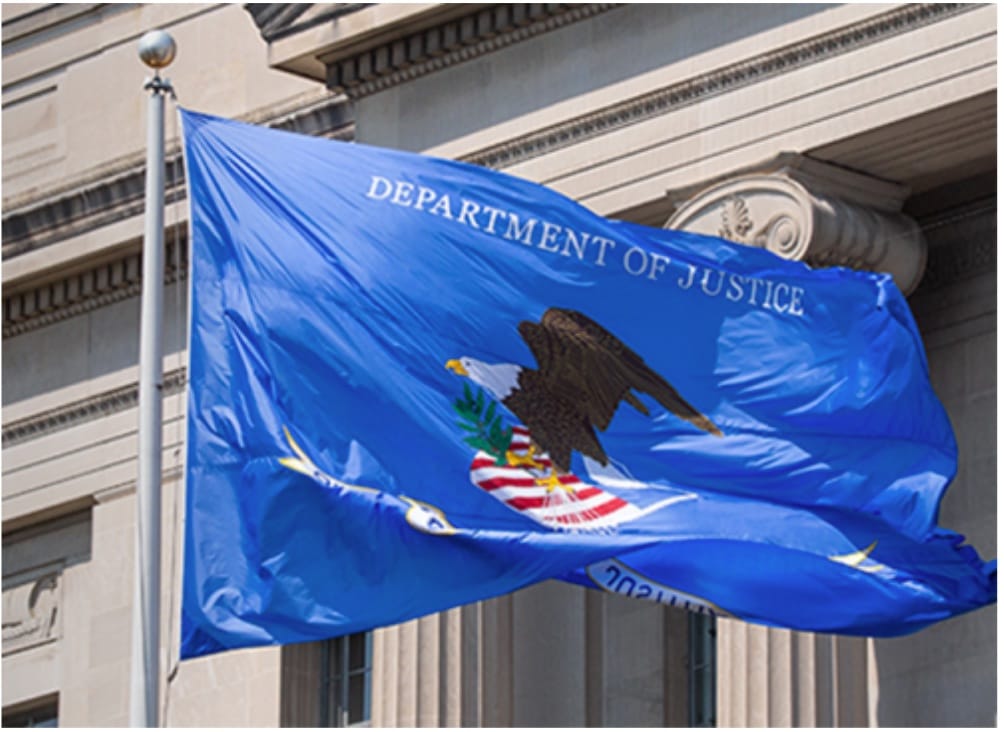
July 24, 2026 – The US Department of Justice is prepared to take its nationwide battle for access to state voter-registration records to the U.S. Supreme Court, according to Assistant Attorney General Harmeet K. Dhillon, who leads the department’s Civil Rights Division.
For Alaska, however, the federal government did not need to go to court to obtain the information.
Lt. Gov. Nancy Dahlstrom’s office voluntarily provided the Justice Department with Alaska’s complete, unredacted statewide voter-registration list on Dec. 23, 2025. The file included voters’ dates of birth, residential addresses, driver’s license numbers and the final four digits of Social Security numbers.
Alaska also entered into a memorandum of understanding allowing the federal government to analyze the information, identify registrations it considers questionable and send its findings back to the state for further action.
The agreement has become especially significant as the Alaska Division of Elections conducts its own review of thousands of voters whose citizenship status was questioned through a comparison with Division of Motor Vehicles records.
Division Director Carol Beecher told lawmakers this week that approximately 3,000 voters received letters asking them to verify their citizenship after DMV information indicated they may not be citizens. Those voters were moved to inactive status if they did not respond, although they may still cast a questioned ballot and affirm their eligibility.
Alaska elections officials flag 3,500 voter registrations in citizenship data check
The number of citizenship notices was dramatically higher than the roughly 200 normally generated through the state’s periodic reviews. Election officials have said some of the DMV information could be outdated, particularly for immigrants who obtained driver’s licenses before later becoming naturalized U.S. citizens.
Dhillon’s latest remarks signal that the Trump administration does not intend to retreat from its broader effort to examine state voter rolls, despite a series of losses in federal district courts.
The Justice Department has sought detailed voter-registration data from nearly every state and the District of Columbia, arguing that federal laws give it authority to determine whether states are properly maintaining their rolls. Those laws include the National Voter Registration Act, the Help America Vote Act and the Civil Rights Act of 1960.
Approximately 18 states have provided the information or indicated that they would cooperate. The department has sued 30 states and Washington, DC, that resisted its demands.
Federal judges have dismissed a number of those lawsuits, ruling that the cited statutes do not give the Justice Department unlimited access to confidential voter information. The department has lost all 16 cases decided as of this week, although appeals remain underway.
Dhillon told Fox Business that the dispute over federal access could ultimately reach the Supreme Court, displaying a willingness to continue appealing unfavorable decisions, not an announcement that the high court has agreed to hear such a case.
The department says its reviews are producing evidence that state voter rolls contain large numbers of outdated or potentially ineligible registrations. Dhillon previously said the DOJ examined about 60 million records and identified approximately 350,000 deceased people and 25,000 registrants who lacked proof of citizenship. Those figures identify records needing further investigation; they do not establish that ballots were cast in those names.
Earlier this month, Dhillon sent letters to election officials in all 50 states and the District of Columbia warning that officials who knowingly retain noncitizens on voter rolls or facilitate their voting could face criminal liability.
“Any election officer, including the chief election officer of the state, who knowingly retains noncitizens on the state’s SVRL or facilitates noncitizens in receiving and casting ballots could be subject to criminal liability,” Dhillon wrote, according to Reuters.
Voting by noncitizens in federal elections is already illegal. Supporters of the administration’s initiative argue that states should be required to provide enough information for federal officials to enforce that prohibition and verify compliance with federal voter-list maintenance laws.
Opponents say election administration belongs primarily to the states and that turning over Social Security and driver’s license information creates privacy and data-security concerns. They also warn that database comparisons can incorrectly flag naturalized citizens and other eligible voters.
That dispute is already before an Alaska court.
The League of Women Voters of Alaska and the Alaska Black Caucus sued Dahlstrom and Beecher in April, alleging that the release of Alaska’s unredacted voter file violated the Alaska Constitution’s explicit protection of individual privacy. The organizations are represented by the ACLU of Alaska, the national ACLU Voting Rights Project and the Electronic Privacy Information Center.
The lawsuit asks the court to void Alaska’s agreement with the Justice Department, require state officials to seek destruction of the data already transferred and prevent additional disclosures. It also argues that voters could be flagged for removal without adequate notice or an opportunity to contest the federal government’s conclusions.
The Alaska Department of Law has maintained that state law permits the information to be shared for authorized government purposes. When announcing the transfer in December, Dahlstrom said the state had acted in accordance with federal requirements and state authority while putting safeguards in place for sensitive information.


3 thoughts on “DOJ prepared to take voter-roll fight to Supreme Court; Alaska already handed over its full list”
Outstanding. Trump means business with the cheating, lying bastard Democrats.
Alaska Democrats supported the force of some Americans being given the Covid shots (against their will).
They didn’t care about that! They called it for safety reasons.
Handing over the state’s unredacted voter registrations is for election security.
Another botched Biden plan down the tubes.
Import millions of “votes” and ballot harvest them at the border along with free cell phones plane rides hotel and food vouchers at taxpayer expense. That plan was as successful as pimping out sonny boy Hunter for foreign cash until the drugs and prostitutes took him out down a dirt road and then he had to pardon him just to keep him from being raped in prison.