


By SUZANNE DOWNING
July 11, 2026 – A nationwide surge in cyclosporiasis, a parasitic intestinal illness that causes prolonged watery diarrhea and other gastrointestinal symptoms, has now exceeded 1,000 reported cases across the United States in 2026, with Alaska among the states reporting infections as of July 9.
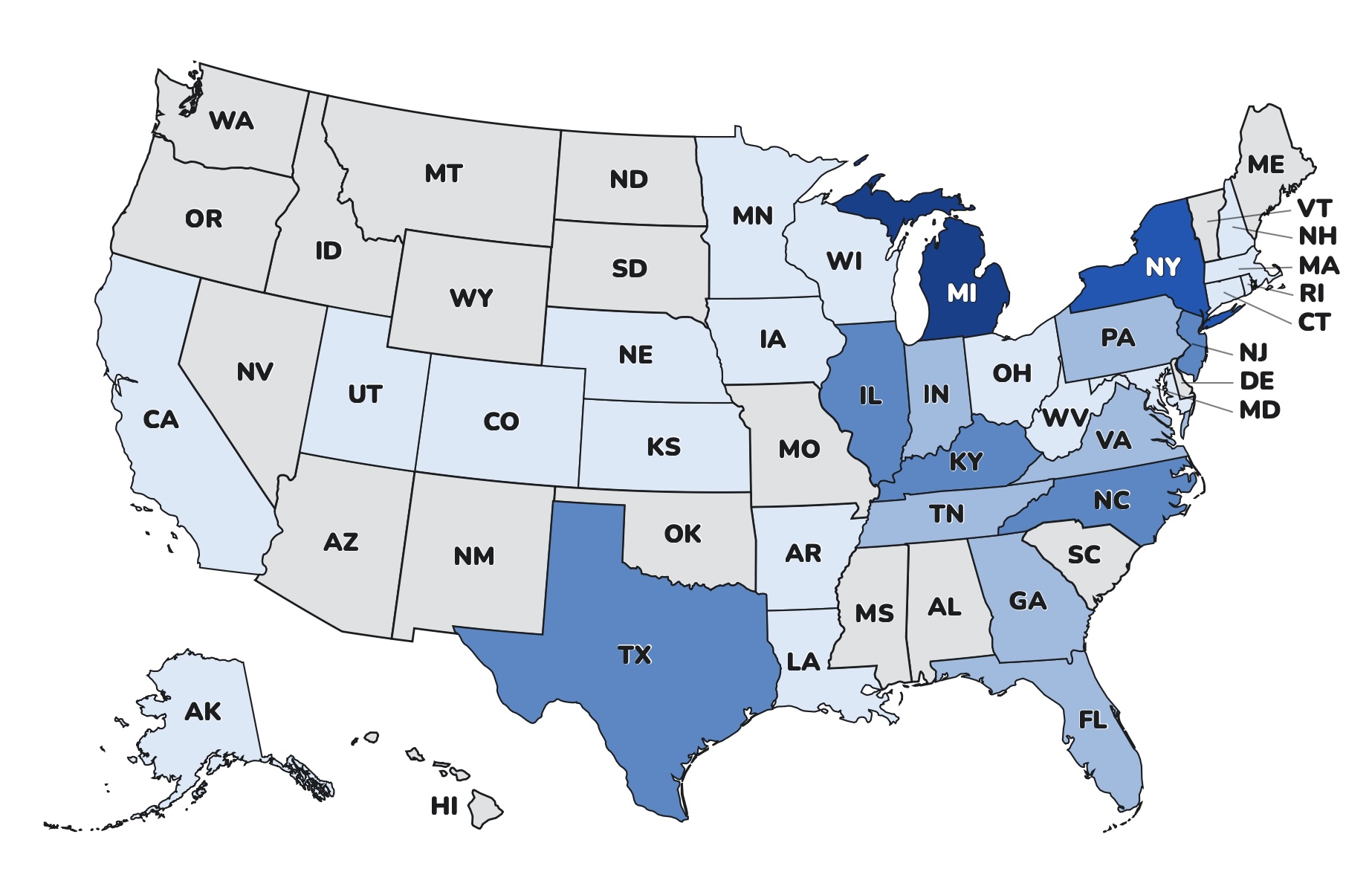
While Alaska has seen only a handful of cases so far, the state appears on the Centers for Disease Control and Prevention’s surveillance map, which shows between one and 10 domestically acquired cases reported this season. The outbreak has been far more severe in parts of the Midwest, particularly Michigan and Ohio, but health officials expect additional cases to be identified throughout the summer as investigations continue.
The CDC’s latest update, released July 9, reports 843 confirmed domestically acquired cases in 31 states since May 1, along with 86 hospitalizations and no deaths. Federal officials say they are also aware of more than 1,500 additional suspected cases that are still undergoing confirmation and classification, meaning the true number of illnesses is substantially higher than the official confirmed count.
An additional 343 travel-associated cases have been reported from people who became ill after consuming contaminated food or water while traveling outside the United States. Those cases have been reported by 32 states, resulted in 18 hospitalizations, and likewise have caused no deaths.
Cyclosporiasis is caused by the microscopic parasite Cyclospora cayetanensis. Unlike many gastrointestinal illnesses, it is not spread from person to person. Instead, people become infected by consuming contaminated food or water, most commonly fresh produce such as leafy greens, herbs, berries, peas, or other fruits and vegetables that have been exposed to contaminated water or human waste. Investigators have not yet identified a single food source responsible for this year’s outbreak.
The illness typically develops about a week after exposure. Symptoms include watery diarrhea, stomach cramps, fatigue, nausea, bloating, loss of appetite, and weight loss. Without treatment, symptoms can persist for weeks or even recur after temporarily improving. Severe or prolonged infections are generally treated with antibiotics.
It is not contagious from person to person. Transmission occurs only when someone ingests food or water contaminated with feces containing the parasite’s oocysts.
Because no common source has yet been identified, health professionals recommend taking routine food safety precautions. Produce should be thoroughly washed under clean running water before eating, even if labeled “pre-washed.” Firm fruits and vegetables should be scrubbed with a clean produce brush when appropriate.
Health experts note that soaking produce in vinegar or baking soda has not been shown to reliably eliminate the parasite.
Anyone who develops persistent watery diarrhea lasting more than a few days, particularly after eating fresh produce, should contact a healthcare provider. Stool testing can confirm the infection, and prompt treatment may shorten the illness and prevent dehydration.
Although Alaska’s case count remains low, the state’s inclusion in the nationwide outbreak may mean public health officials expect additional cases to be reported here and elsewhere before the outbreak subsides.



9 thoughts on “Cyclospora cases top 1,000 nationwide as parasitic illness reaches Alaska”
Thank God we have only the best and brightest at the top levels of public health in the Federal Government. I expect the Ivermectin testimonials any hour now. And don’t forget about the bleach injections!
Damon, Dr. Fauci has left the building so what would you really do?
Call 911 if he could remember the number.
NOW(!) …. Is not the time to trust yourself if you sense a sneeze and/or fart coming on!
What would Dr. Fauci do? Maybe we should close our schools to protect grandma. Maybe we should socially distance six feet to stop the spread. Maybe we should wear masks to stop the spread. Maybe we should shut businesses except for bars, marijuana joints, big box stores, liquor stores. Maybe we should require everyone to stay at home to stop the spread. Maybe we should close churches. It worked before during Covid, didn’t it?
I’ll depend on what Big Pharma recommends. I’ll also depend on what the American Academy of Pediatrics recommends-if it can recommend gender transition surgery, how can it be wrong with this parasitic infection?
Sarcasm may actually be the best medicine!
And here’s us thinking parasitic illness was just societal obsession with getting money from government without having to work for it.
.
Dr. Boyle, which orifice(s) do you recommend masking?
.
Since fresh produce like leafy greens, herbs, berries, peas, or other fruits and vegetables appear to be weaponized, should we stop MAHA’ing and go back to normal junk-food?
.
What social distancing should be mandated if, as another writer suggested, you sense a sneeze and/or fart coming on?
.
If you’re an illegal alien with generational herd immunity to this sort of thing, do you have to wear a mask?
It’s been reported that this condition disproportionately affects drivers of Subaru Outback and Forester station wagons. It is reccomended that drivers of these vehicles double-mask for protection against this illness.
Might need ‘double’ diapers too!
If you catch it can you leave your house?
Depends.