


By THE ALASKA STORY
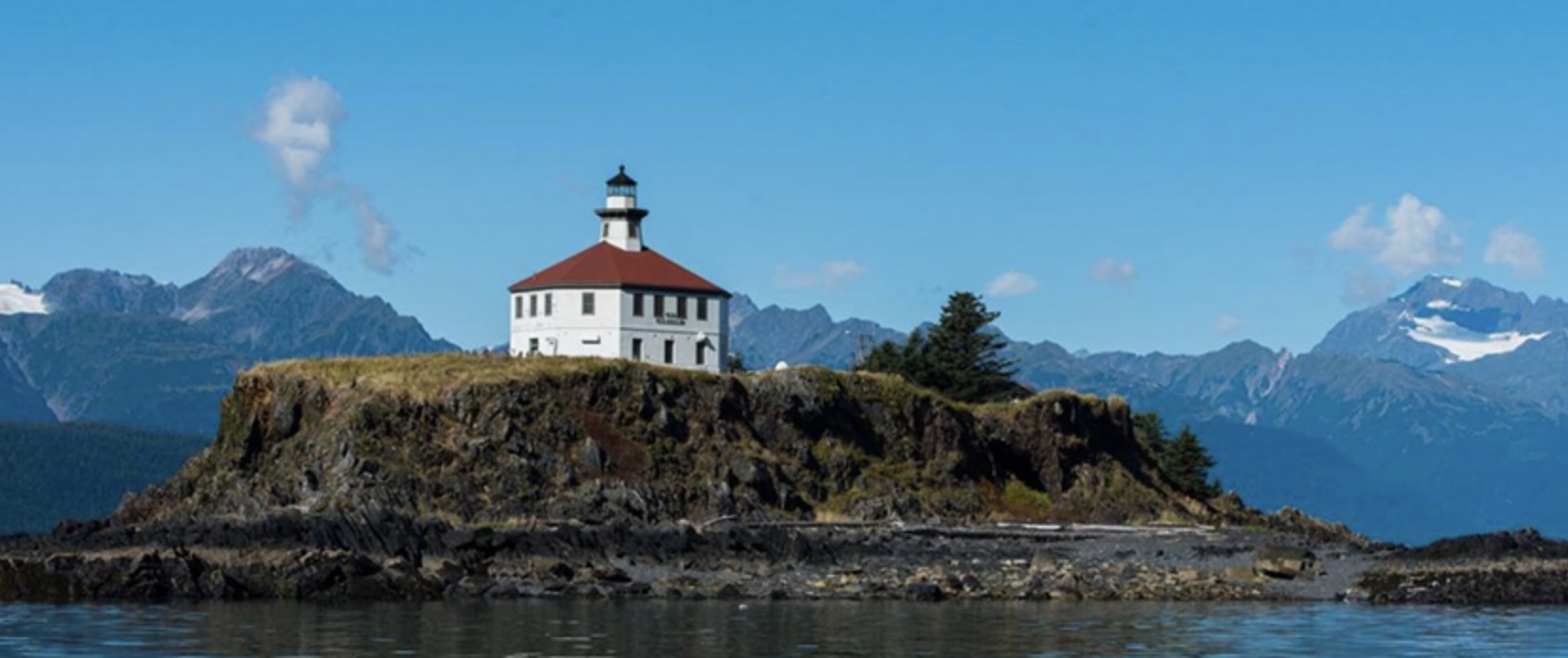
June 7, 2026 – For the first time since it was commissioned in 1906, the historic Eldred Rock Lighthouse in Lynn Canal has opened its doors to the public, marking a milestone in the preservation of one of Alaska’s most iconic maritime landmarks.
Dozens of visitors arrived by boat from Haines, Juneau, and other communities during the first week of June to celebrate the grand opening of the restored lighthouse, which stands on a rocky islet about 55 miles north of Juneau and 35 miles south of Skagway.
The opening comes after years of restoration work led by the Eldred Rock Lighthouse Preservation Association, which took over stewardship of the structure after leasing it from the US Coast Guard in 2020.
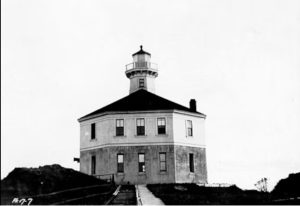
The June 1 opening date was chosen with historical significance in mind. Although the lighthouse bears a prominent “1905” marker on its exterior, construction delays caused by severe winter weather prevented completion that year. The station was ultimately commissioned and first lit on June 1, 1906, exactly 120 years before this year’s celebration.
Visitors can now tour portions of the second and third floors, although access will remain dependent on weather and safety conditions. The exposed location in northern Lynn Canal is notorious for rapidly changing weather and strong winds. Organizers expect cruise ship excursions from Haines and Skagway to bring additional visitors during the summer season.
Eldred Rock Lighthouse holds a unique place in Alaska history. It is the oldest original lighthouse structure still standing in the state and the only surviving octagonal wooden-frame lighthouse from a series of lighthouses built in Alaska between 1902 and 1906.
The lighthouse was constructed in response to maritime disasters during the Klondike Gold Rush era, when steamships crowded Lynn Canal carrying prospectors, freight, and gold seekers heading north.
Among the most infamous tragedies was the loss of the steamship Clara Nevada on Feb. 5, 1898. The vessel ran aground near Eldred Rock during a storm while reportedly carrying passengers and hundreds of pounds of gold. The ship exploded and burned, with most or all aboard presumed lost. Stories of possible survivors, missing lifeboats, and unrecovered gold have fueled speculation for more than a century.
Recognizing the need for improved navigation aids, Congress and the Lighthouse Board approved funding for the project in the early 1900s. Construction crews shipped pre-cut timbers to the remote site in 1905, but difficult conditions delayed completion until the following year.
The 56-foot-tall octagonal structure was innovative for its time. Built atop a concrete foundation, it combined living quarters, a light tower, and fog-signal operations under one roof. It was among the first Alaska lighthouses to integrate all three functions into a single building.
Originally, the station housed a head keeper and two assistants who lived in isolation on the tiny island. Their duties included maintaining the light, operating the fog signal, repairing buildings, and surviving some of Southeast Alaska’s harshest weather. Supplies often arrived sporadically, especially during winter months.
The island itself was named by naturalist Marcus Baker, a co-founder of the National Geographic Society, in honor of his wife, Sarah Eldred.
During its operational peak, the lighthouse featured a fourth-order Fresnel lens that produced alternating red and white flashes visible for approximately 15 miles. That original lens is now preserved at the Sheldon Museum in Haines.
After decades of service, the station was automated in 1973. The keepers departed, and the light became a solar-powered navigational aid. Over time, the historic structures deteriorated from exposure to weather, lead paint, asbestos, and decades of deferred maintenance.
The lighthouse was added to the National Register of Historic Places in 1975, but serious preservation efforts did not begin until recent years.
Volunteers and donors have since invested hundreds of thousands of dollars into restoring the landmark. Their work has transformed the weathered station into a destination that offers visitors a glimpse into Alaska’s maritime heritage while preserving an active aid to navigation.
Today, the automated beacon continues guiding vessels through Lynn Canal, just as it has for 120 years. But for the first time, visitors can step inside and experience the isolated world of the lighthouse keepers who once watched over one of Alaska’s busiest and most dangerous waterways.



3 thoughts on “Alaska’s oldest surviving lighthouse opens to the public for the first time”
Very enjoyable article.
“Over time, the historic structures deteriorated from exposure to weather, lead paint, asbestos, and decades of deferred maintenance.”
Curious strange, lead paint and asbestos exposure seldom cause historical structures to deteriorate.
Kudos to all those that worked so hard to restore this lighthouse, — in order to preserve and showcase its place in Alaska’s history.