


By ANGELA RODELL
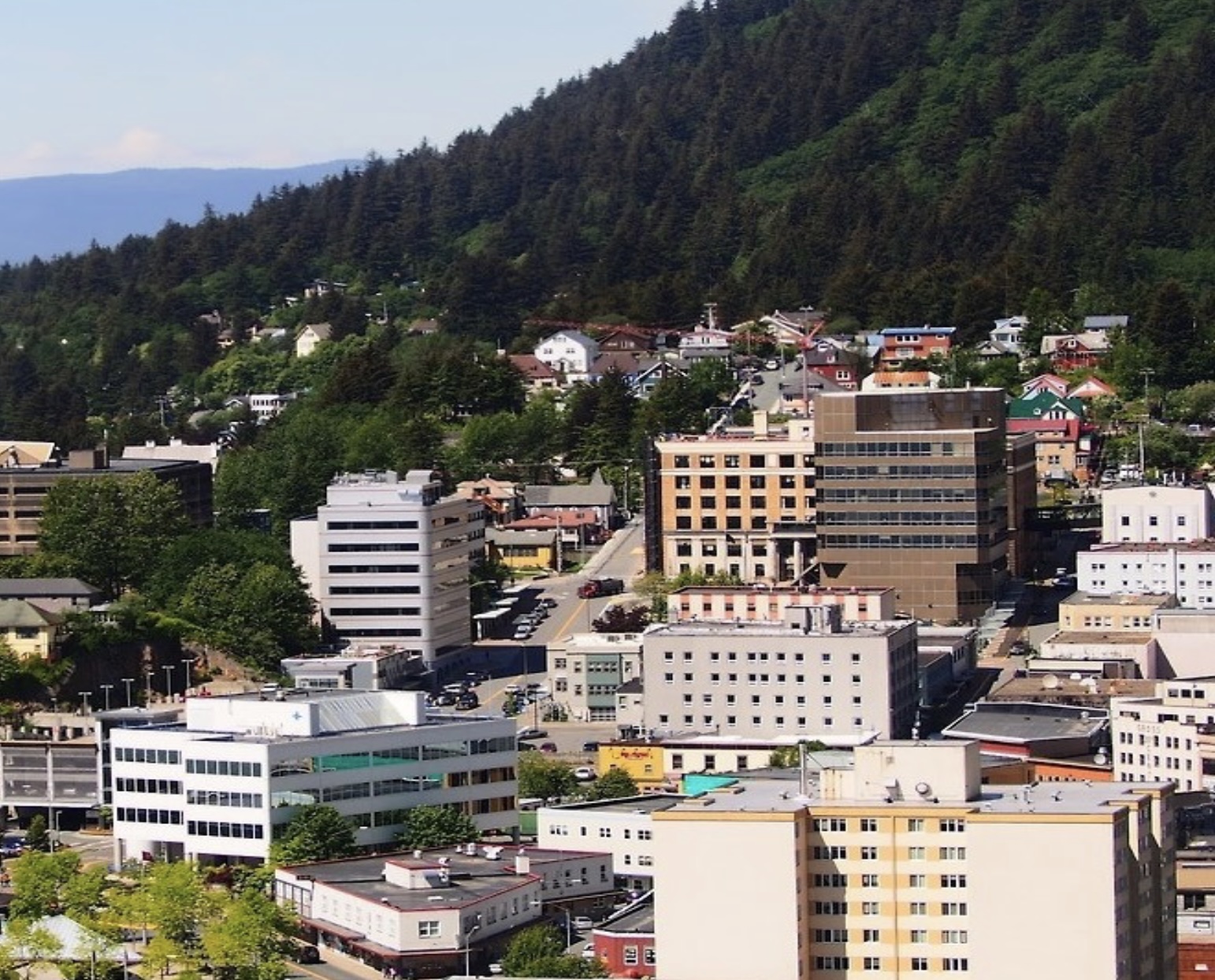
Juneau has developed a habit of confusing opposition with wisdom. For years, major transportation investments have been met with skepticism, delay, and, ultimately, a reflexive “no.”
The justification is almost always the same: the project is flawed, the benefits uncertain, the costs too high. Each objection may be defensible in isolation. Taken together, they reveal a deeper problem—short-term thinking that mistakes preservation for strategy and resistance for leadership.
Juneau is hard to get to. That is not rhetoric; it is a structural fact. Air travel is expensive and unreliable. The ferry system is underfunded and unpredictable. Internally, the city lacks redundancy and flexibility in how people and goods move. These constraints shape decisions about where people live, where employers invest, and whether families stay. Over time, they erode confidence in Juneau’s future as Alaska’s capital.
For decades, Juneau assumed it did not need to solve these problems because it was a government town. State jobs were considered permanent. Proximity to the capitol building was assumed to anchor people here. Roads, crossings, and even ferries were treated as optional because activity was presumed to be guaranteed. That assumption is no longer holding.
I think we have learned that government is not sticky. State jobs continue to migrate north. Federal jobs are consolidated or eliminated. Remote work has weakened the argument that Juneau must physically host as many government employees as it once did. Twenty years ago, Juneau had roughly 7,000 government jobs. Today, that number is closer to 6,500, and the decline has been steady enough to normalize, even as its effects accumulate.
Transportation sits at the center of this shift. The easier it is to move within Juneau and connect to the rest of the state, the more viable it becomes to build housing, diversify employment, and retain families. Transportation is not separate from affordability; it is one of its primary drivers. Limited access constrains housing supply, raises construction costs, and increases household expenses. A community that resists transportation investment while lamenting high costs of living is working at cross-purposes.
The recent debate around the Cascade Point ferry terminal illustrates the tension clearly. Advisory panels and public commenters have criticized the project as rushed, poorly communicated, and misaligned with local priorities. Those concerns deserve to be taken seriously. But there is a risk in how the conversation is framed. “External agendas” are often treated as inherently suspect—as if benefits only count when they originate locally or serve a narrow definition of use.
That framing is too small. External agendas can and do benefit Juneau. The continued operation of Kensington Mine is one example. Its success supports hundreds of jobs, diversifies the local economy, and reduces reliance on government or tourism employment. That economic activity exists because Juneau is connected—physically and logistically—to broader regional and global systems. Transportation that supports industry, freight, and statewide mobility is not a betrayal of local interests; it can be essential to sustaining them.
The real problem may not be that projects like Cascade Point lack value, but that the value is poorly explained—and judged through a process that is structurally skewed toward opposition. Those who attend public meetings are often self-selected, highly motivated, and more inclined to say no than to weigh long-term tradeoffs. That does not make their concerns illegitimate, but it does mean silence should not be mistaken for consensus, nor resistance for vision.
Juneau has become adept at identifying why something might not work, while spending far less time asking what happens if nothing changes. A second crossing is dismissed as too expensive. Expanded road connectivity is labeled unnecessary. Multimodal investments are treated as optional. Ferry improvements are endlessly debated. Each delay feels responsible. Collectively, they narrow Juneau’s future.
If Juneau wants to remain the capital, it must act like permanence is earned, not guaranteed. Capital cities invest in access, redundancy, and resilience. They plan for housing, schools, and workforce mobility. They accept that not every benefit is immediate and not every user is local. Saying no may feel safe, but safety is an illusion when the ground is slowly shifting beneath you.
Transportation is not the whole answer, but refusing to invest in it is a decision to accept decline. And that is a choice Juneau can no longer afford to make.
Angela Rodell is the former CEO of the Alaska Permanent Fund Corporation.
Angela Rodell: Alaska’s budget problem isn’t the dividend — it’s fiscal honesty

4 thoughts on “Angela Rodell: Saying no is not a strategy for Juneau when it comes to transportation and access”
Let them isolate themselves, just move the capital away. They can have their little bubble,then, and only then
Angela seems clownish enough to vote for, even if she’s not running for office.
.
The Holy Party and Government City of Juneau needs a road, like right now!
.
Angela says anyone who disagrees is “self-selected, highly motivated, and more inclined to say no than to weigh long-term tradeoffs.”
.
Don’t want to make Angela mad, so why not forget silly stuff like bid rigging, cost overruns, project delays, the possibility that moving the capital to Anchorage will be cheaper, and the fact that road maintenance doesn’t seem like a high priority these days …just get Co-Governor & Finance Minister Giessel to pass a law and a tax against whoever’s still around, and order people to build the road …with convict labor if money’s scarce?
Hooray for Angela! Finally someone with a smart analysis of Juneau’s
” Knights of No’s”
Very good article and very true in so many respects. I’m a former resident of Juneau and would like to encourage a road to Skagway with the plan put to the test in 2003 with all of the federal agencies on board and permission from Washington DC and the state department. Glacier Highway via out the road” and to point north to ferry around serious land issues and back on the road to Skagway for those intended to that point and beyond through British Columbia. Maps done and funding done as well.
But for the culture of thinking, that Juneau boundary issues should not be broken to take away from the culture there and through the small passage way communities. Always the same old thinking and culture of thinking that can’t stand change even if it is beneficial to the whole area. So there it is. No change and no growth.