


By SUZANNE DOWNING
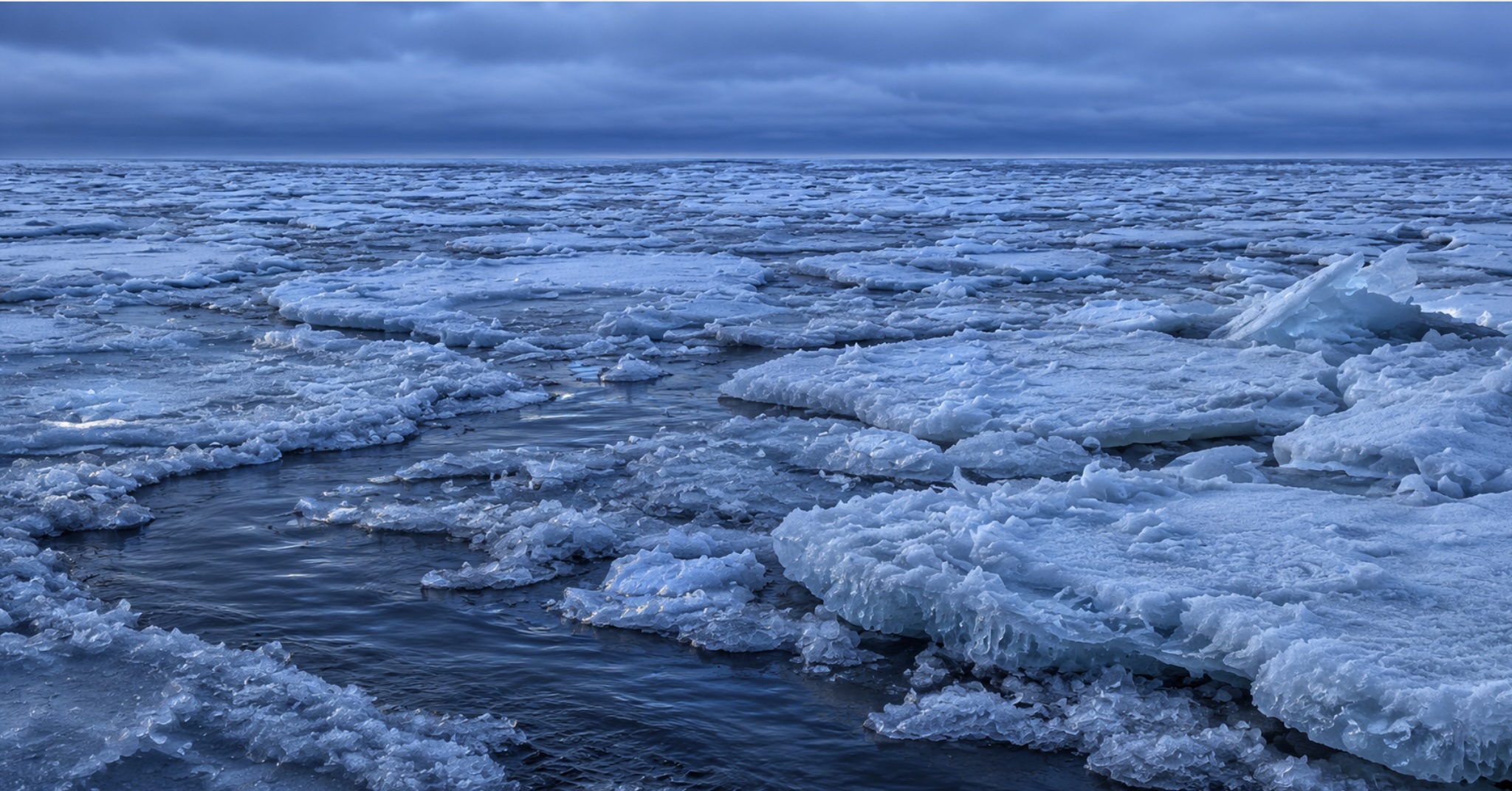
Nov. 24, 2026 — “No Kings” may still be a rallying cry for the Left, but Cook Inlet didn’t get the memo. The Thanksgiving week king tides are rolling in, with water at Anchorage’s Knik Arm tide station predicted to reach 32.3 feet at 6:18 pm Tuesday and 32.6 feet at 7 pm Wednesday. The Thanksgiving Day evening high is forecast to reach 32.2 feet at 7:47 pm.
Wednesday’s peak is about 3.4 feet above Anchorage’s mean higher high water, the average of the higher high tide each day. The 32.6-foot reading is measured from mean lower low water, the reference level used on tide charts.
The most recent full moon in Anchorage (the Beaver Supermoon) peaked earlier today, at about 5:53 am.
The big tides will arrive earlier in the day elsewhere in Alaska. In Juneau, the water is predicted to reach 19.9 feet at 12:54 pm Wednesday. That’s a nearly 20-foot tide, and winds are in the forecast. Cordova’s high is forecast at 15.9 feet at 1:02 pm, and the Homer tide station at Coal Point is expected to reach 22.6 feet at 2:18 pm, Alaska Standard Time.
The National Weather Service office in Juneau issued a special weather statement Tuesday for Sitka, western Kupreanof and Kuiu islands, Wrangell and the Ketchikan Gateway Borough. Forecasters said onshore winds coinciding with high tide could push water levels a foot or more above the astronomical prediction.
How much extra water piles up along the shore will depend on the wind’s direction, strength and timing.
Along the Seward Highway and Turnagain Arm, the big swings between low and high water can make for a more visible show, although the big tide surge comes at about 3 am. As the tide turns, incoming water can form a wave that travels up the Arm. The best chance of seeing a larger bore tide generally comes in the days around a full or new moon. Beluga Point is one place to watch from shore. The bore tide moves up the arm after low water, and its arrival time varies by pullout. (Stay off the mudflats, where deep silt can trap people as the tide comes in.)

“King tide” is the common name for an exceptionally high tide. Around a full or new moon, the combined gravitational pull of the sun and moon increases the range between high and low water. That range is especially pronounced this week at Homer’s Coal Point, where Wednesday’s 22.6-foot afternoon high is followed by a low of minus 4.9 feet at 8:54 pm, a swing of 27.5 feet.
Another round of especially high tides is on the calendar around Christmas, with peaks on Dec. 24 at several Southeast stations, including Juneau and Ketchikan. In Kachemak Bay, Seldovia is due for a 22.4-foot high on Jan. 23.