THE ALASKA STORY
Sept. 16, 2026 – Suspected cyberattacks against two foreign-flagged energy tankers bound for US ports underscore the warning about America’s dependence on oil and natural gas moving through foreign waters aboard foreign vessels.
They further reveal the national-security value of Alaska North Slope oil.
Unlike imported crude traveling through overseas chokepoints, Alaska oil is produced on American soil, moved through the Trans-Alaska Pipeline System to Valdez and carried aboard US-flagged tankers to domestic refineries. It is a comparatively secure supply chain operating under US laws, regulations, and security oversight.
That stability becomes more important as wars, piracy, sanctions and cyberattacks threaten international energy shipping.
The two suspected cyberattacks occurred in early August while the vessels were transiting the Strait of Gibraltar, according to reports citing US officials familiar with the investigation. One tanker was carrying crude oil and another was carrying liquefied natural gas.
After the ships reached the Gulf of America, specialized teams led by the U.S. Coast Guard and including FBI cyber experts boarded the vessels on Aug. 21 and Aug. 24 to examine their information and operational-technology systems.
The Coast Guard said the inspections were intended to protect the vessels after authorities found indications their computer networks had been compromised by foreign cyber actors.
“The measures were designed to ensure integrity of the vessel’s operational and information technology systems following indications that the vessel’s network were compromised by foreign cyber actors,” the Coast Guard and FBI said in a joint statement reported by ABC News.
Authorities said the ships’ crews and operators cooperated and helped mitigate the suspected threats.
“Currently, there are no reports of operational disruptions, vessel instability, physical danger to crews, or environmental impacts,” the agencies said.
The Coast Guard has not officially named the vessels, identified the attackers or attributed the incidents to a particular country or organization.
One ship has been widely identified through Iranian media accounts and vessel-tracking information as the VL Prosperity, a Liberian-flagged very large crude carrier capable of hauling roughly 2.3 million barrels of oil. It was reportedly bound for Galveston, Texas.
Iran’s Mehr News Agency reported in August that the vessel lost communications for approximately 30 hours after a cyberattack while passing through the Strait of Gibraltar. Iranian reports made additional claims about interference with the ship’s machinery and control systems, but US authorities have not confirmed those details.
US officials are reportedly investigating whether Iran or another adversary is attempting to extend the Middle East conflict into cyber operations against energy ships bound for the United States. No attribution has been publicly confirmed.
The cases illustrate a growing vulnerability in the international energy trade. Modern tankers depend on interconnected digital systems for navigation, communications, propulsion, cargo handling and engine operations. An attacker who successfully penetrates those systems could potentially disable a vessel, disrupt a port or cause a collision or environmental disaster.
Foreign oil bound for the United States may pass through multiple maritime chokepoints, including the Strait of Hormuz, Bab el-Mandeb, the Suez Canal and the Strait of Gibraltar. Each creates another potential point of disruption from war, terrorism, piracy, political instability or cyberattack.
Alaska North Slope oil avoids those foreign chokepoints.
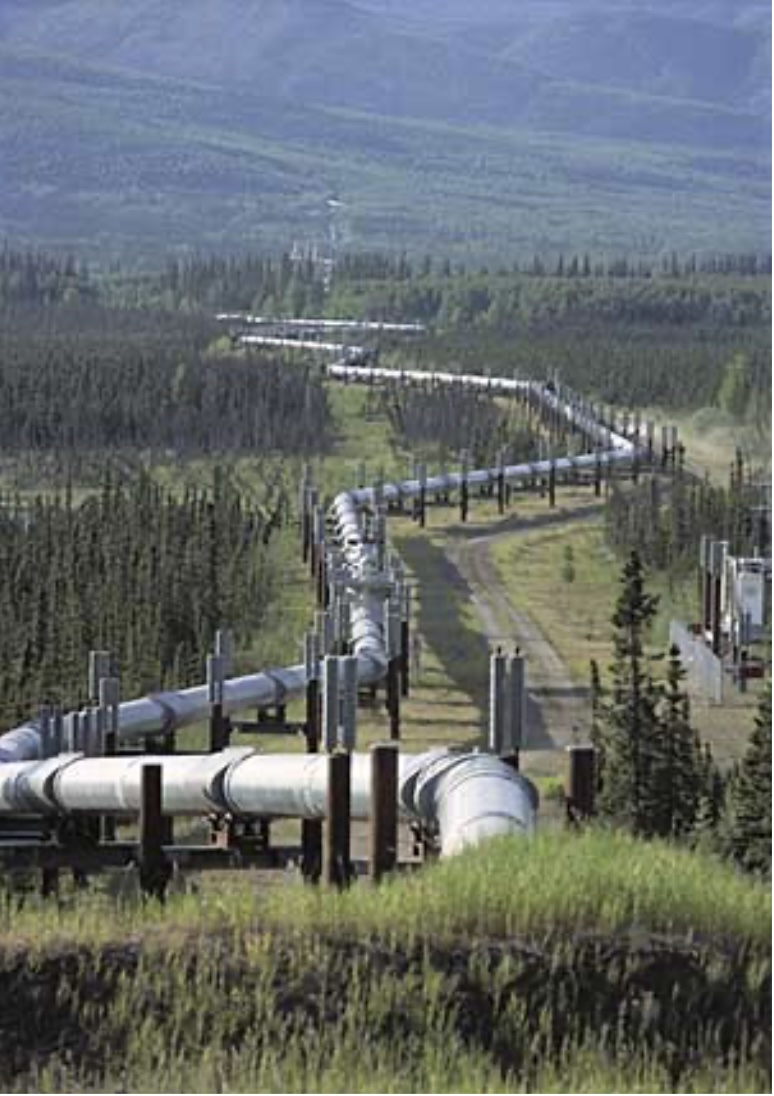
Crude produced at Prudhoe Bay and elsewhere on the North Slope travels approximately 800 miles through the Trans-Alaska Pipeline to the Valdez Marine Terminal. From there, it is shipped primarily to refineries on the U.S. West Coast aboard American vessels operating under the Jones Act.
No computer-dependent system is immune from cyberattack or sabotage. Alaska’s pipelines, ports, tankers and production facilities still require strong physical and digital security. But Alaska oil does not depend upon the goodwill of a foreign government, passage through a contested overseas strait or protection aboard a foreign-flagged tanker.
Alaska oil is currently benefiting from higher global prices caused by the Middle East war and tighter petroleum markets. But its deeper value is not merely the price of a barrel, but that it is a large, dependable domestic resource produced within the United States and delivered through an established American supply chain.