


By SUZANNE DOWNING
Nov. 16, 2026 – Once upon a time, Alaska could build something extraordinary.
An 800-mile pipeline across mountain ranges, rivers, and frozen ground. A road to the Arctic Ocean. Pump stations, construction camps, and a marine terminal in Valdez connecting North Slope oil to the world.
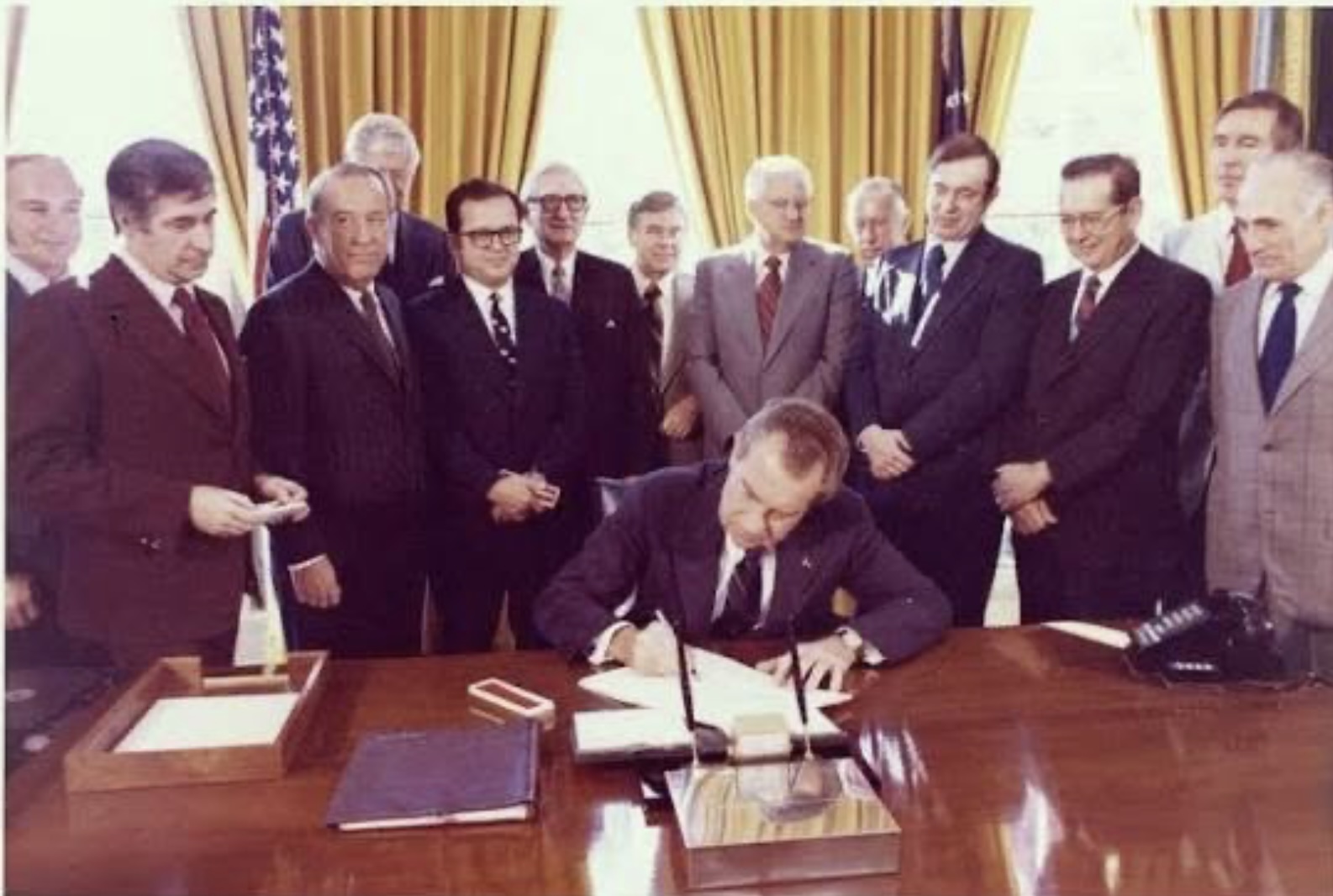
Fifty-three years ago today, President Richard Nixon signed the legislation that cleared the major remaining federal legal obstacles to building the Trans-Alaska Pipeline System. For Alaskans still waiting for a North Slope natural gas pipeline, the anniversary invites an uncomfortable comparison.
The generation that built TAPS left an operating pipeline. Subsequent generations have spent decades discussing another one.
The oil pipeline was hardly an easy project, and its eventual construction was not inevitable. ARCO and Humble Oil had announced the Prudhoe Bay discovery in March 1968. Developers proposed carrying the oil south to Valdez, but unresolved Alaska Native land claims, environmental litigation, and federal right-of-way restrictions stood between the discovery and construction.
Environmental organizations sued in 1970. Nixon signed the Alaska Native Claims Settlement Act in December 1971, addressing a land ownership issue. Other legal obstacles remained.
What followed was a pivotal: The October 1973 Arab oil embargo brought new urgency to American energy policy. Dependence on foreign supplies had become a visible national vulnerability. The pipeline offered access to a major domestic resource, although delivering that oil would still require years of work.
The Trans-Alaska Pipeline Authorization Act, (Title II of Public Law 93-153,) directed federal action to authorize the project. The broader law amended pipeline right-of-way provisions, while the authorization sharply restricted further challenges and treated the existing environmental review as sufficient under the National Environmental Policy Act. Congress chose to bring the authorization dispute to an end.
Nixon’s written statement described the project as “the single largest endeavor ever undertaken by private enterprise.” He also maintained that it could be constructed and operated under rigorous environmental safeguards.
His signature gave the people financing and building the project a path forward.
A federal right-of-way followed on Jan. 3, 1974. Construction of the northern haul road began that April, and the state right-of-way lease was issued in May. The first pipeline section was laid in March 1975.
On June 20, 1977, oil entered the system.
Less than four years after Nixon signed the legislation, the pipeline was moving North Slope oil toward market.
The scale remains remarkable. Alyeska records a construction period of three years and two months and a cost of approximately $8 billion for the system, including pump stations and the Valdez terminal. Roughly 2,000 contractors and subcontractors participated. Wealth and jobs flowed throughout Alaska.
Alaska’s pipeline generation faced bureaucracy, expense, difficult terrain, and uncertainty. Yet those challenges ultimately became problems to solve on the way to completion.
Today, Alyeska reports that TAPS has transported more than 19 billion barrels of oil. Almost half a century after startup, Alaska continues to benefit from what those workers built.
The comparison with a natural gas pipeline is inevitable: Alaska LNG has made progress. Its developer Glenfarne has announced gas-supply and customer agreements, international partnerships, and labor arrangements as big steps toward establishing a project that investors can support.
The latest state proceedings illustrate that distance. In October, the Department of Natural Resources proposed converting Alaska LNG’s conditional right-of-way leases into standard leases. Hearings are scheduled for Nov. 23 and 24. The conversion would strengthen the project’s legal position on state land, but would not itself authorize construction.
Legislative hearings have been held time and again and yet another one is planned for this Tuesday, Nov. 17, by the House and Senate Resources Committees.
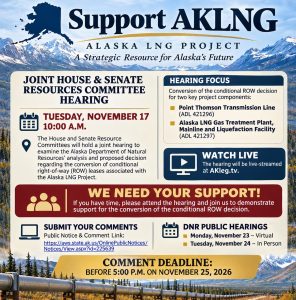
The hearing will focus on rights-of-way decisions for the Point Thomson transmission line, and Alaska LNG gas treatment plant, mainline and liquefaction facility.

On this TAPS anniversary, Alaska is still working through the conditions for building a gasline while depending on an oil pipeline authorized more than five decades ago.
Fifty-three years after Nixon cleared the way, Alaskans are asking when the next generation will get its turn. With incoming Democrats taking control of the Alaska Legislature and governor’s mansion, it looks like the Alaska LNG project will remain on the shelf for years to come.


One thought on “When Alaska built great things: The presidential signature that cleared the way for TAPS”
And if had not been for the newly created EPA and its Environmental Impact Study, the pipeline would undoubtedly have burst in the intervening 49 years causing not only environmental harm, but a costly outage to repair the problem.