


By SUZANNE DOWNING
July 11, 2026 – The Trump Administration has indicated Alaska’s congressionally directed spending, commonly known as “pork spending” or “earmarks,” would remain protected even as the White House moves to give political appointees greater authority over billions of dollars in federal grants.
During a House Appropriations oversight hearing, White House Office of Management and Budget Director Russ Vought sought to reassure lawmakers that the administration’s proposed overhaul of the federal grant approval process would not interfere with projects specifically directed by Congress.
“Sometimes you have an earmark to a specific person or a specific organization, and that would probably be at the top of the list that needs to be funded,” Vought told lawmakers. He added that congressionally directed spending is “not something that is impacted by this grant rulemaking.”
That distinction is especially significant for Alaska, where the state receives tens of billions of dollars annually in federal assistance through a combination of grants, formula funding, and congressionally directed spending.
The proposed Office of Management and Budget rule, unveiled in May, would revise the federal Uniform Guidance governing grants. It would give political appointees a larger role in reviewing, approving, conditioning, or terminating grants awarded to nonprofits, universities, tribal organizations, and state and local governments. The administration says grants should better align with the president’s policy priorities and the national interest. Critics argue the proposal injects politics into what has traditionally been a career civil service process.
For Alaska, the stakes are unusually high, as federal grants help support transportation, rural health care, behavioral health services, education, public safety, tribal programs, housing, disaster recovery, fisheries, energy projects, and hundreds of nonprofit organizations serving communities across the state.
The Foraker Group, which supports Alaska’s nonprofit sector, has warned that the proposed changes could create uncertainty for nonprofit organizations that rely on federal grants, particularly in rural Alaska where many nonprofits depend heavily on federal funding. The organization argues that expanded political review could delay awards or create instability for programs serving vulnerable populations.
Vought’s testimony, however, draws an important line between discretionary grants and earmarks.
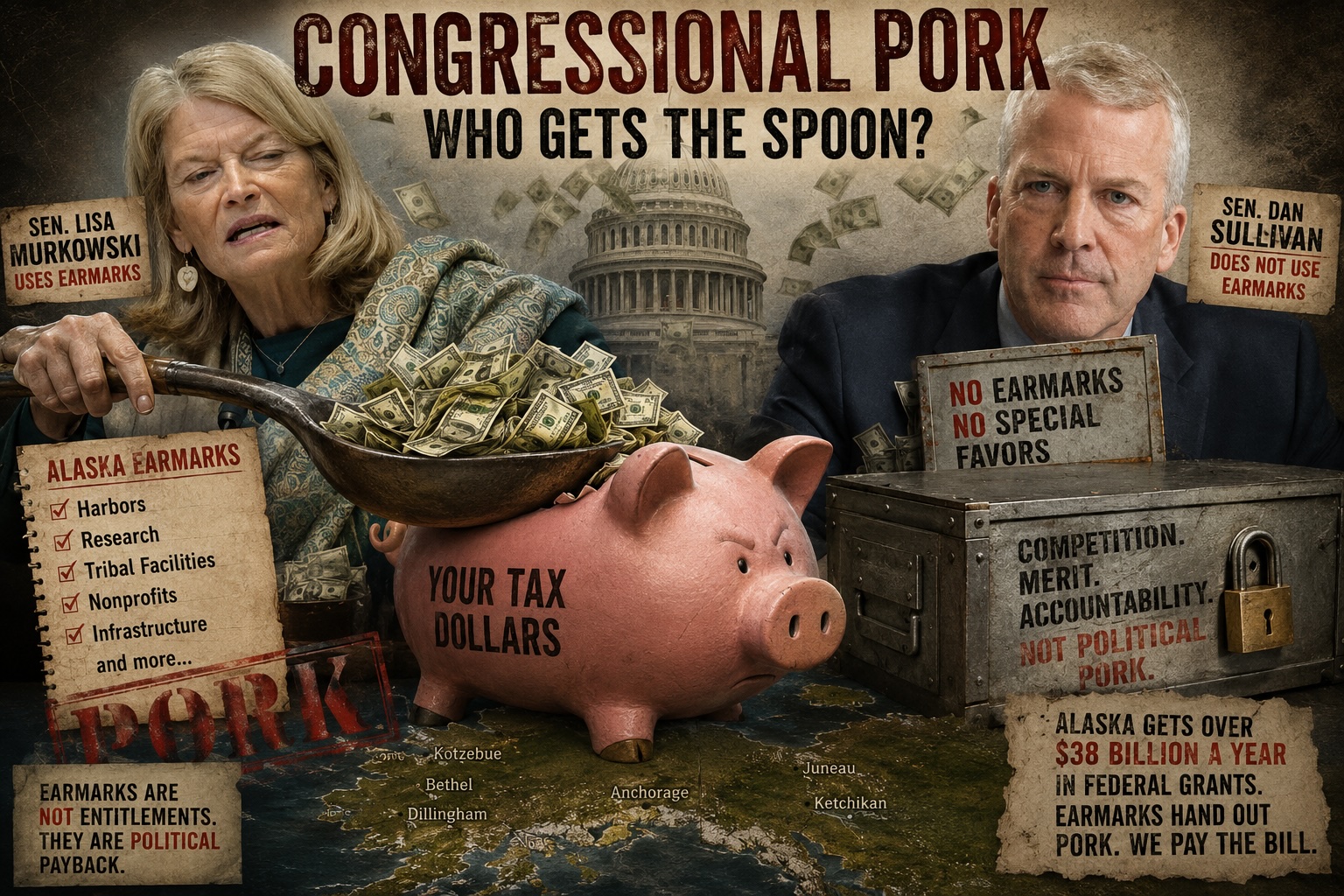
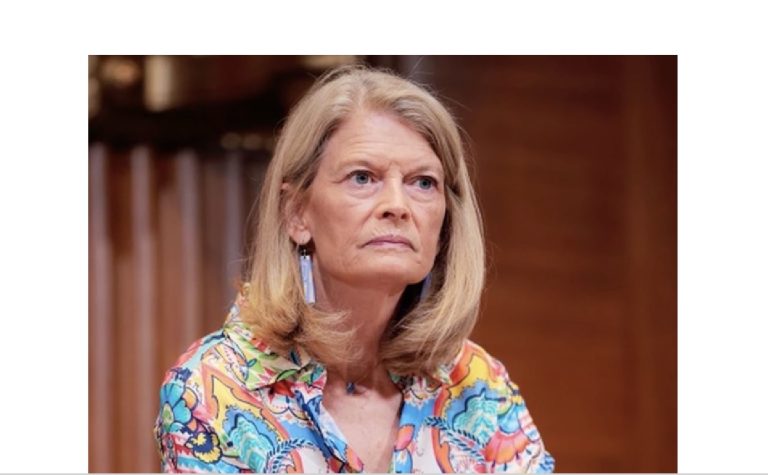
Alaska’s Sen. Lisa Murkowski, has become one of Congress’ most active users of congressionally directed spending. Each appropriations cycle she submits dozens of requests for projects ranging from harbor improvements and water systems to health clinics, tribal facilities, research programs, nonprofit organizations, and local infrastructure.
Sen. Dan Sullivan has taken a different approach. Since Congress revived earmarks in 2021, Sullivan has declined to request congressionally directed spending, saying he prefers to compete for funding through regular federal programs rather than participate in the earmark process, which many see as prone to abuse.
Rep. Nick Begich, who joined Congress this year, now also has the ability to request community project funding through the House appropriations process.
Vought’s comments suggest that projects specifically identified by Congress, including Murkowski’s earmarks, would continue to receive priority even if the administration adopts stricter oversight for broader grant programs.

6 thoughts on “Vought says Alaska earmarks would survive Trump grant overhaul, offering reassurance to Murkowski-backed projects”
So, Congress instead of letting Alaska develop its own resources has for years been supplying the state with Grants. Total control.
Ha-Ha!!! … And the secret sauce ingredient to keep these Grants coming in is none other than the non-expendable … Daddy’s Little Princess. Because without her, and her unique skill-set // knowledge – wisdom – foresight // political prowess // cunning abilities, Alaska will fall back into the ice ages.
Huge grant money dole-outs for climate change, DEI, and Bush projects. All of the stuff liberals and Democrats love. No wonder Lisa Murkowski keeps getting elected by Democrats.
.
Mike Dunleavy for US Senate in 2028.
Senator Murkowski’s earmarks rarely provide any benefit to the average Alaskan. Instead, they are directed to those organizations and communities that she favors. As to those grants that funnel through the selected communities and NGOs, it mirrors the experience with the totally-corrupt USAID, where a large percentage of the money is syphoned off for “administrative” and overhead expenses (and travel!) and little money actually goes to program and intended recipients. Alaskans need to ask what good the massive Federal handouts actually do for the state.
The Foraker group is the biggest left wing group there is. Almost all those grants help Democrats. Why is the writing here making it sound like it is worthwile?
These funds should be cut.
Yet Again … Hmmm(?). Alaska ranked:
… 20th in business friendliness
… 24th in economy
… 26th in quality of life
… 43rd in workforce
… 47th in technology and innovation
… 50th in infrastructure
Something is crooked and wrong. Further digging into the ‘Foraker Group’ doesn’t look good, just another shady ‘non-profit’ organization dependent upon the Guv’ment tit.