By SUZANNE DOWNING
A recent intervention by the US Department of Agriculture in a California dam-removal case may have implications for Alaska, where a long-running dispute over the future of the Eklutna Dam could face similar federal scrutiny if full removal advances, as is desired by the Eklutna Tribe and the liberal Anchorage Assembly.
On Dec. 19, Agriculture Secretary Brooke Rollins formally intervened in proceedings before the Federal Energy Regulatory Commission involving Pacific Gas & Electric’s proposal to decommission and remove the Potter Valley Hydroelectric Project in Northern California.
The USDA filing urges FERC to reject PG&E’s license-surrender application unless extensive mitigation measures are imposed, citing severe impacts on agriculture, water supply, wildfire suppression, rural economies, and federally managed lands.
The Potter Valley project consists of the Scott Dam and Cape Horn Dam that divert water from the Eel River into the Russian River basin. PG&E has sought to remove the dams primarily to restore fish habitat and natural river flows. The USDA’s intervention argues that the proposal would eliminate a critical water diversion relied upon by farms, communities, and firefighting agencies, while failing to comply with multiple federal statutes governing environmental review, farmland protection, and forest management.
The USDA outlines concerns that dam removal would reduce irrigation water deliveries by thousands of acre-feet annually, exacerbate groundwater overdraft, impair wildfire suppression by eliminating Lake Pillsbury as an emergency water source, and undermine USDA-backed agricultural loans and conservation programs. It also asserts that PG&E’s application lacks adequate economic analysis and fails to address impacts on National Forest System lands administered by the Forest Service.
While the Potter Valley case is unfolding in California, its contours closely resemble the ongoing debate over the Eklutna Hydroelectric Project near Anchorage.
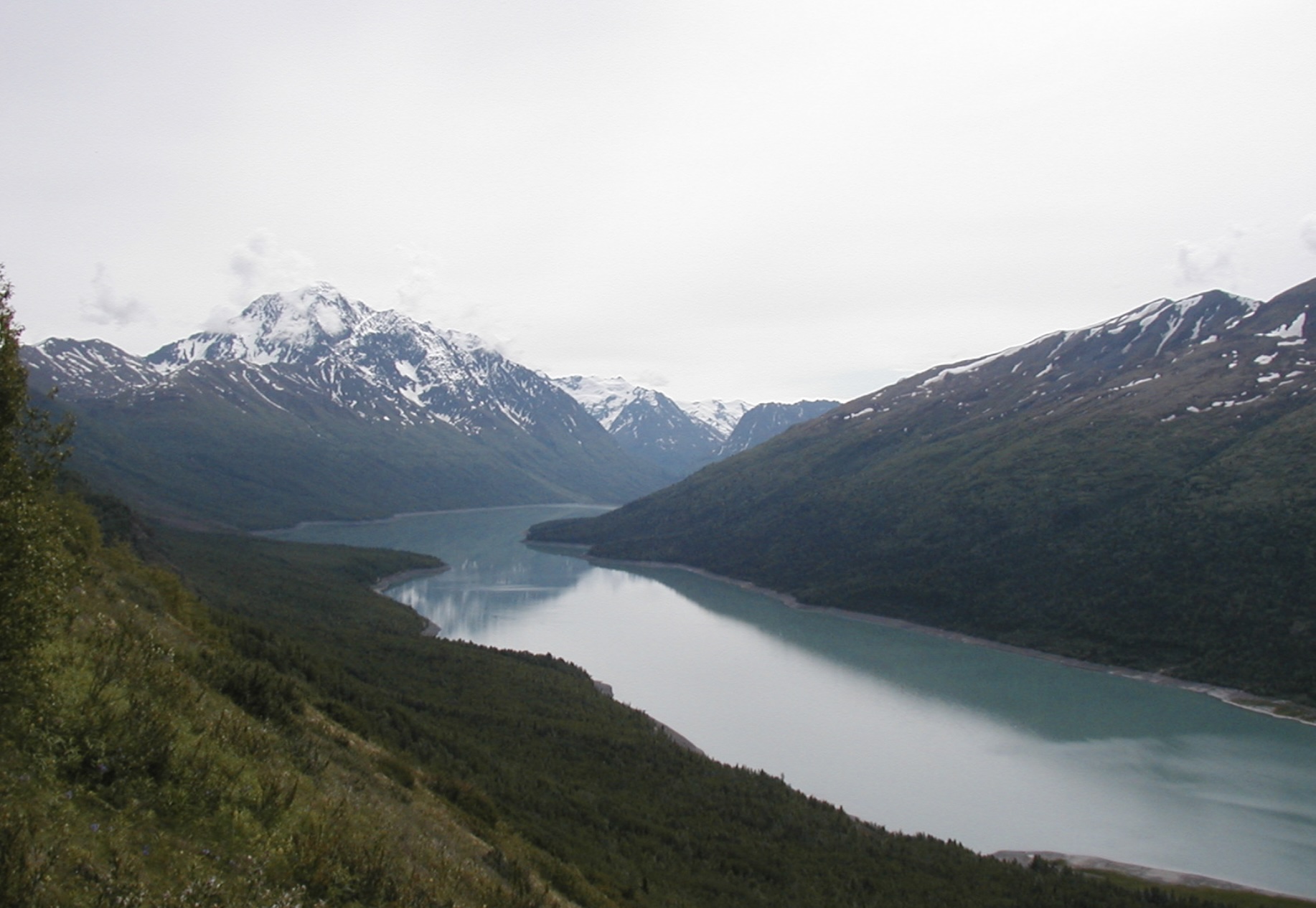
The Eklutna Dam, built in the 1950s, blocks nearly all natural flow from Eklutna Lake into the Eklutna River. The project supplies hydropower to Chugach Electric Association and Matanuska Electric Association and provides drinking water for much of Anchorage. The Native Village of Eklutna has pushed for full dam removal or major structural changes to restore salmon habitat throughout the river.
Utilities and state officials have resisted full removal, citing risks to power reliability, water supply, and ratepayers. In October 2024, Gov. Mike Dunleavy approved a compromise plan that would restore flows to most of the river using a controlled release system while keeping the dam in place. The Anchorage Assembly liberal majority sides with Eklutna Tribe in pushing for full removal.
The parallels between Potter Valley and Eklutna are not precise, but they are notable. Both involve aging, FERC-licensed hydropower projects originally built to serve human needs for electricity and water supply, and both are now the focus of tribal campaigns centered on fish passage. In both cases, dam removal advocates emphasize long-term environmental benefits, while opponents warn of economic disruption, infrastructure loss, and public-safety risks.
The USDA’s action in California signals that federal agencies may be willing to intervene when dam-removal proposals threaten agricultural systems, water infrastructure, or federal land management interests. While Eklutna is not an agricultural irrigation project, it intersects with federal concerns over energy reliability, municipal water supply, wildfire response, and recreation on nearby Chugach National Forest lands.
If proponents of full Eklutna Dam removal pursue federal licensing changes or litigation that would force decommissioning, agencies such as the USDA or others could weigh in. The Potter Valley intervention demonstrates that dam removal is no longer viewed solely as a local question, but as a broader infrastructure and economic issue with national policy implications.
For Alaska, the California case serves as a cautionary precedent: Aggressive dam-removal efforts can trigger federal pushback when the tradeoffs extend beyond fish habitat to water security, energy systems, and community stability.