


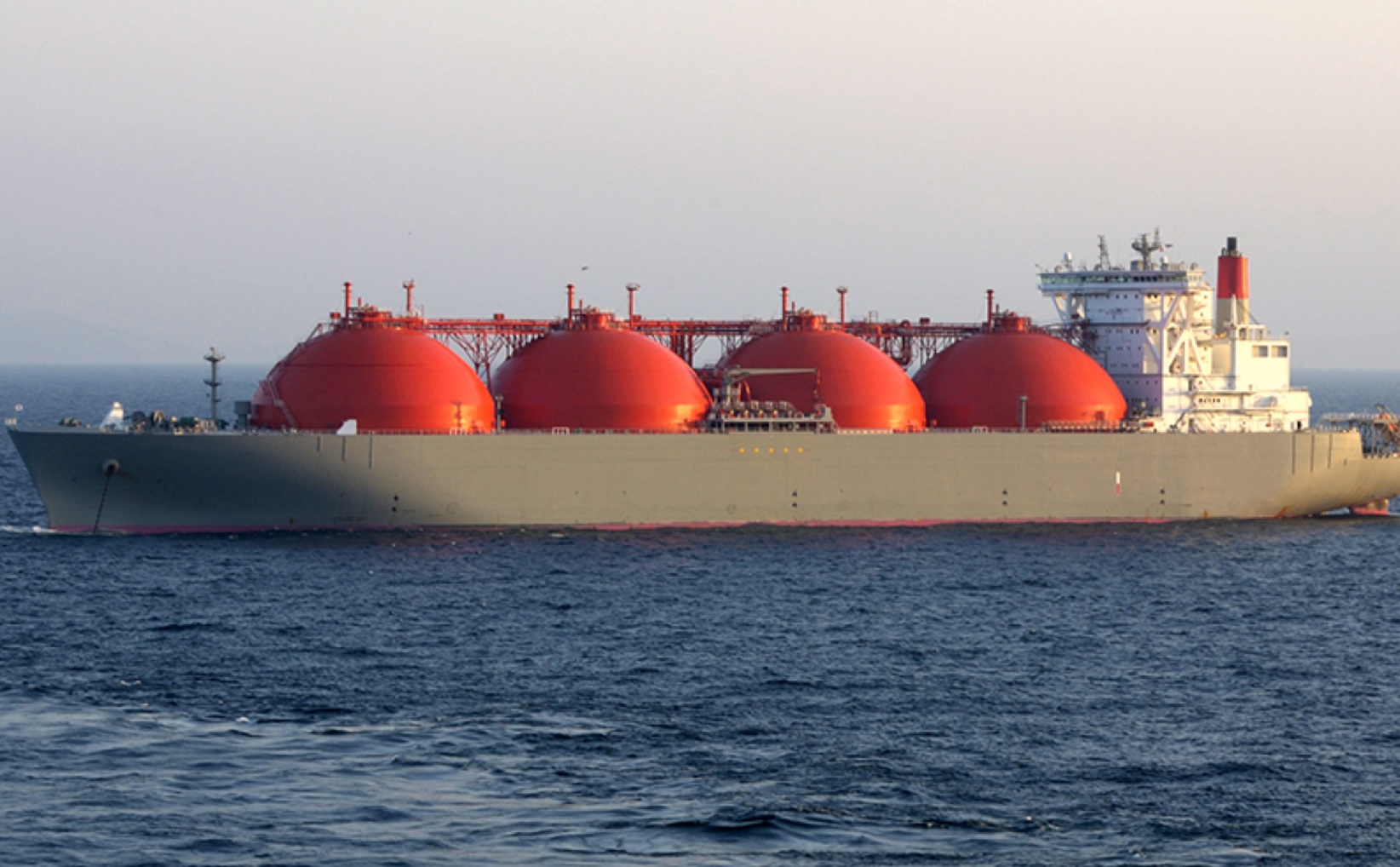
American liquefied natural gas developers are on pace for a record-breaking year, signing sales and purchase agreements for 29.5 million metric tons of LNG in 2025, more than four times the total contracted in 2024.
The surge marks a global shift toward US energy supply, as buyers in Europe and Asia pay a premium to secure long-term deals amid rising geopolitical tension and supply risks.
According to Rapidan Energy Group, cited by Reuters, the 2025 contracts make this year the second-highest in US LNG export commitments, behind only 2022 when Russia’s war in Ukraine triggered Europe’s urgent pivot away from Russian gas.
Encouraged by the Trump Administration’s energy policies, developers have reached final investment decisions on six new export projects this year, fueling a record $72 billion in global LNG financing. Rising project costs have not slowed momentum: Buyers are accepting liquefaction fees roughly 15% higher than 2023’s average, with developers now negotiating prices between $2.65 and $2.95 per MMBtu.
Higher raw material prices, tariffs, and labor shortages are driving up costs but developers are still finding strong demand for American LNG as global buyers seek security and reliability.”
For Alaska, the US LNG boom is more than a headline, it’s a potential lifeline.
The long-delayed Alaska LNG Project, led by the Alaska Gasline Development Corporation has completed its federal permitting process and remains listed under the FAST-41 infrastructure program, which gives it an expedited review path for private investment and federal coordination.
With Japan, South Korea, and the Philippines among the Asian markets aggressively signing new American LNG deals, Alaska’s proximity to those buyers gives the state a natural advantage—if financing and market commitments can be secured.
Industry analysts note that as Gulf Coast export terminals face capacity constraints and congestion, the Pacific-facing Alaska LNG project could re-emerge as a strategic asset for both US energy security and Indo-Pacific trade policy.
The market’s appetite for US LNG is what Alaska needed. If even a fraction of these global contracts shift toward Pacific supply, the economics for Alaska LNG improve.
Europe’s determination to eliminate Russian gas imports by 2027, coupled with Asian nations’ push to secure American LNG as leverage in ongoing tariff negotiations with Washington, has driven the current deal surge.
Meanwhile, the Trump Administration’s deregulatory stance and renewed support for fossil fuel exports have boosted investor confidence. Developers are moving quickly to capitalize on the moment—raising capital, locking in long-term offtake deals, and advancing construction on new terminals.
For Alaska, the message is clear: The global LNG race is back on, and the U.S. is once again leading it. Whether Alaska joins that race in time to capture the Pacific premium remains the next big question.