By SUZANNE DOWNING
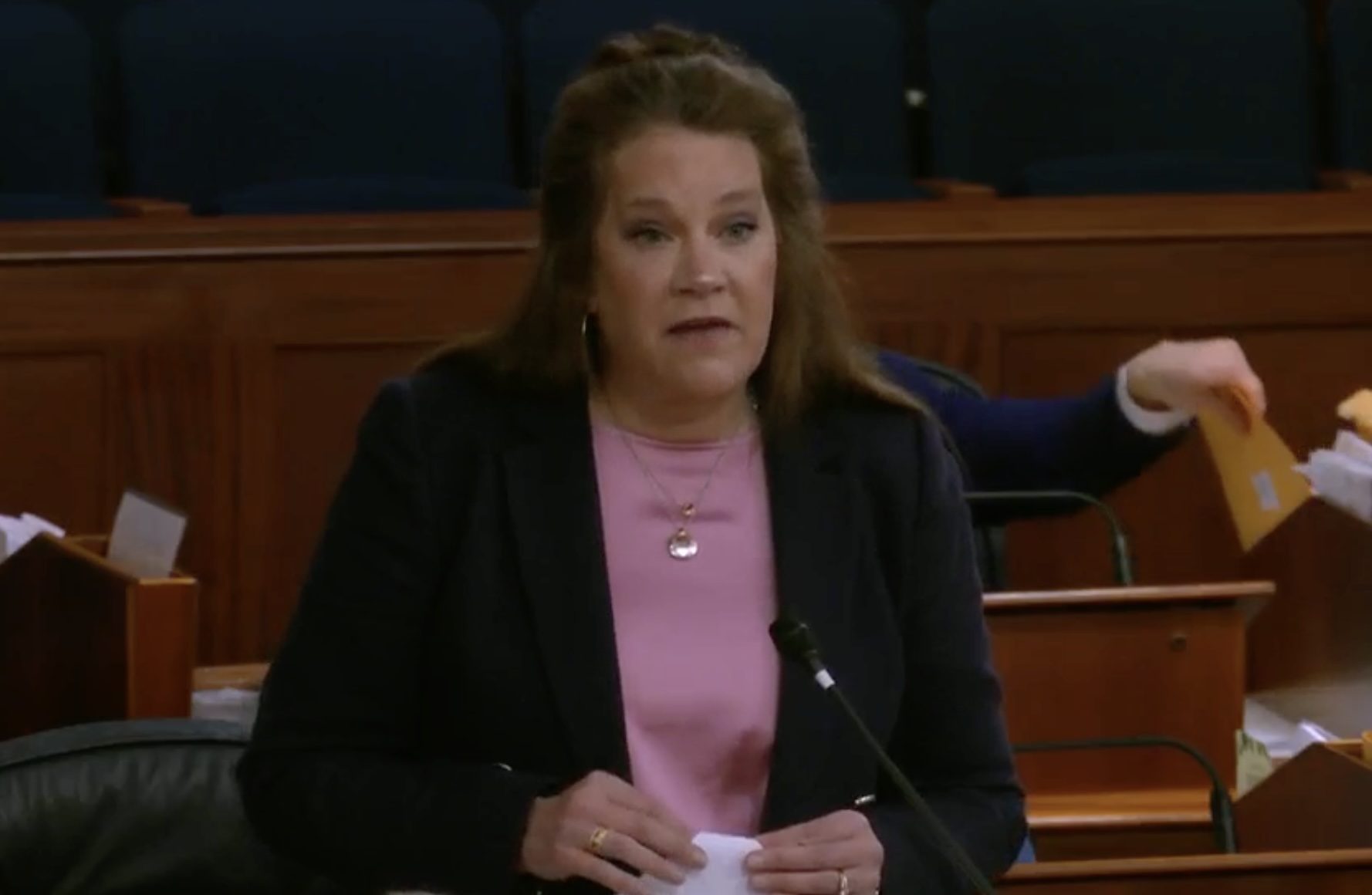
Feb. 3, 2026 – In a rare display of unity in a House controlled by the political left, lawmakers voted 40-0 on Monday to pass House Bill 39, legislation sponsored by Rep. Jamie Allard, R-Eagle River.
House Bill 39, known as the Deaf and Hard of Hearing Children’s Bill of Rights, establishes explicit protections for deaf and hard of hearing students in Alaska’s public education system, emphasizing language acquisition, parental choice, and appropriate educational accommodations.
The bill is deeply personal for Allard, who has profound hearing loss. She has said the legislation reflects both her lived experience and her understanding of what deaf and hard of hearing children need to succeed in school and beyond.
“Deaf children are born with the same ability to acquire language as their hearing peers,” Allard said. “They have the right and capacity to be educated, graduate from high school, obtain further education and pursue meaningful careers.”
At the core of HB 39 is the principle that early and consistent access to language is essential. The bill recognizes that inadequate communication access in classrooms can lead to missed instruction, lower academic achievement, and delayed language development.
Under the legislation, parents would have the right to choose the most appropriate communication method for their child, whether American Sign Language, spoken English with supports, or another modality. School districts would be required to deliver educational services using the parent-selected method, rather than defaulting to a one-size-fits-all approach.
The bill also affirms that deaf and hard of hearing students are entitled to full access not only to classroom instruction, but also to school services and extracurricular activities in their primary language, ensuring meaningful participation in all aspects of school life.
Recognizing Alaska’s unique geography and the challenges faced by rural communities, HB 39 allows for residential services when necessary so that students can receive appropriate educational support that may not be available locally.
Key provisions of House Bill 39 include:
-
The right to an individualized education program tailored to the child’s needs
-
Parental choice in determining the method of communication
-
Identification of the child’s primary language in the IEP
-
Consideration of the prognosis for hearing loss
-
Instruction delivered in the child’s primary language
-
Provision of assistive devices, services, and qualified personnel
-
Timely and appropriate assessments conducted in the child’s primary language
Supporters note that Alaska would not be breaking new ground. More than 20 states have already enacted similar Deaf and Hard of Hearing Children’s Bills of Rights, establishing a national precedent for explicitly protecting language access and parental decision-making.
Allard said the bill addresses shortcomings in existing federal law.
“The Individuals with Disabilities Education Act does not adequately address parental rights,” she said. “HB 39 fills that gap and ensures that no child in Alaska is left behind due to barriers in communication.”
With unanimous House approval, HB 39 now moves to the Senate for consideration.