


By SUZANNE DOWNING
April 15, 2026 – An Alaska-based researcher affiliated with the University of Alaska Fairbanks is facing scrutiny after posting a comment on social media that appeared to call for violence against certain elected officials who voted against an oil tax.
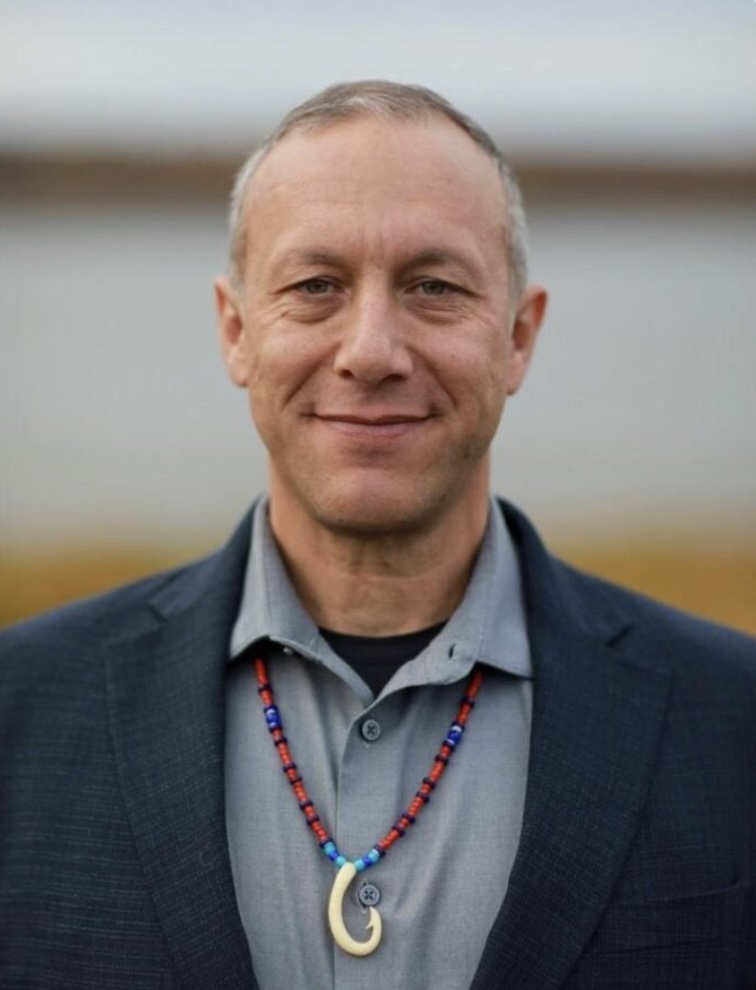
The comment appeared to have been made by Kas Knicely (or someone using his profile). Knicely is identified as a postdoctoral researcher with the Alaska Satellite Facility at the University of Alaska’s Geophysical Institute, in response to a Facebook post by the Anchorage Daily News about the Alaska House rejecting a Senate proposal that included a significant new tax targeting oil and gas interests, including Hilcorp.
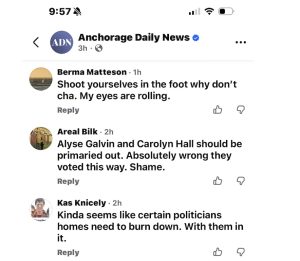
“Kinda seems like certain politicians homes need to burn down. With them in it,” Knicely wrote in the comment thread.
The remark comes amid news surrounding the House’s handling of the Senate’s attempt to insert new tax provisions into an unrelated bill. The House ultimately rejected the Senate version, which had drawn criticism from some lawmakers who described it as a last-minute maneuver.
House rejects Senate’s version of Marathon Petroleum royalty deal
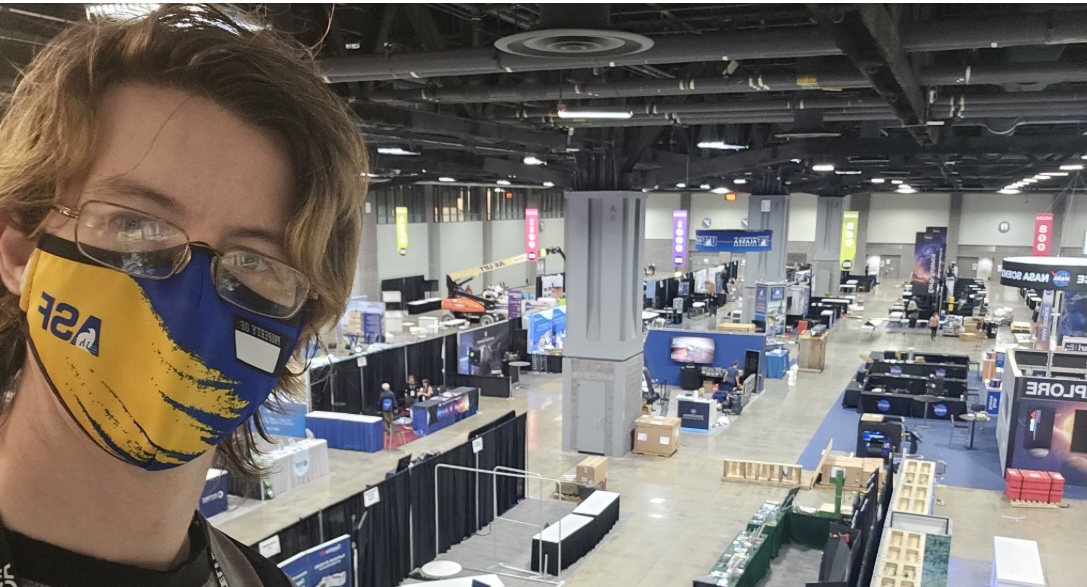
Knicely’s public profile reflects a career in scientific research. In an October 2025 post by the UAF Geophysical Institute, he was featured as a postdoctoral researcher working at the Alaska Satellite Facility. In that post, Knicely described his role as “a half step between Ph.D. student and faculty … with adult pay,” emphasizing the freedom to pursue research ideas and the importance of creativity in scientific discovery.
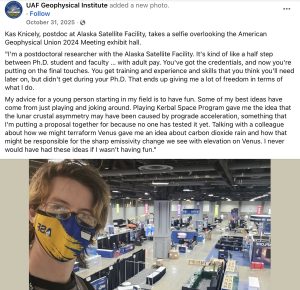
He also highlighted how informal thinking and even video games contributed to his research ideas, including hypotheses about lunar crust formation and atmospheric processes on Venus.
More recently, Knicely authored an opinion column published April 9 in the Fairbanks News-Miner, in which he criticized the intelligence of the average voter and used President Donald Trump as an example of what he described as poor electoral decision-making.
“Democracy depends on the intelligence of the average voter. The founding fathers knew this very well. That’s why when this nation was formed, they set us up as a democratic republic, not a democracy. They were worried that the average voter would be too ill-educated and uninformed to make good decisions. So they decided people would vote for representatives, people who were — ostensibly — more in the know and therefore able to make the kinds of decisions that would benefit all Americans,” he wrote.
“But that doesn’t really address the problem. If voters are stupid, they’ll either vote for an idiot and/or get tricked by corrupt people that only want power for themselves. Donald Trump is the perfect example of this,” he wrote. In other words, he thinks voters are stupid.
The Facebook comment, however, has drawn attention for its explicit reference to violence against politicians. There is a difference between protected speech and criminal threats based on factors such as intent, specificity, and whether a statement constitutes a “true threat” under the law. In this case, perhaps a terroristic threat.
The issue comes at a time when threats against public officials have been increasing nationwide. In a separate Alaska case reported earlier this week, a 77-year-old Anchorage man agreed to plead guilty to threatening multiple US Supreme Court justices through hundreds of online messages.
Anchorage man pleads guilty to threatening lives of US Supreme Court justices
Nationally, law enforcement agencies have reported a rise in politically motivated threats and violence in recent years, targeting officials across the political spectrum. President Trump has been the subject of two assassination attempts in less than two years, and members of Congress are now routinely hiring private security detail because of the increase of threats.
It is not immediately clear whether Knicely’s comment has been reported to the FBI, state law enforcement, or whether any investigation is underway. But he is evidently still a public servant, paid for by the Alaska treasury and US taxpayer dollars, while making statements in social media that could be legally actionable.
15 thoughts on “UAF researcher draws scrutiny after Facebook post appears to call for burning lawmakers’ homes”
Let’s hunt this little f*cker down.
That’s what it will take with marxists. The ideology is a religion and twists their soul. Often there isn’t a way back for the infected.
And let’s be real. This wasn’t a mistake or he’s young. This is the intent. If there wasn’t restraints or push back it would be implemented.
That reply, Snuffy, makes you no better than Mr. Knicely. He should get a visit from law enforcement, not Mr/s. Snuffy vigilante..
He should have responded more knicely.
UAF. He shouldn’t be hard to find.
Cute!
If you do not have a rational argument, you set out to destroy those who disagree with your idea of (take your pick). Destroying property and threatening individuals or calling the voters stupid is really pathetic and speaks of a mind incapable of the expanded thought and acceptance required, as our system ALLOWS for diverging opinions and debate. Once again some academic has declare himself the sole arbiter of everything. That’s neither democratic nor in the keeping with our republic. Maybe it is time for Mr. Knicely to step out of his sheltered existence and mingle with those he deems “beneath him”. I bet it would do him good to expand his horizons (away from terraforming Venus).
Little UAF twirp. Brainwashed by UAF lefties. All residing at Truth Yadda Campus. Yadda yadda yadda.
Take away his funding, and his job. That should take care of it.
Like I said earlier about a man facing consequences of his actions against Supreme Court judges. If Alaska’s elect leaders were (biblically) honest and excellent communicators why they do what they must do like if they ever find the courage to restructure government spending and government offices, they’d have less enemies at least from the peoples side.
It’s interesting that the one’s who Act out are leftists when they are tire being screwed over. Shows how dumb the left’s voters are. Meaning they are the ones who voter for these lawless idolaters into office. They can always vote them out and vote more conservatively the next twenty election because changes do not happen overnight but over a decade.
Any security clearance that little f… had should be pulled for mental instability and expelled from any doctorate program.
A PhD in yestertimes really meant something. Today it’s a union card for more advanced brainwashing. Follow the script. Independent thought and logic not required.
He’s not wrong. He just has the wrong politicians in mind.
Let us know when someone reports him. Or to see consequences.
Such a pleasant thought knowing public tax dollars funded this little nest of his where he is so comfortable surrounded by video games and having “fun” giving birth to terroristic threats against those he hates.
It would be interesting to know and hear the narrative he heard from those professors that helped shape his twisted thoughts.
I suspect it started in grade school; college only intensified and cemented what babble was already bouncing along the neuronic pathways.