


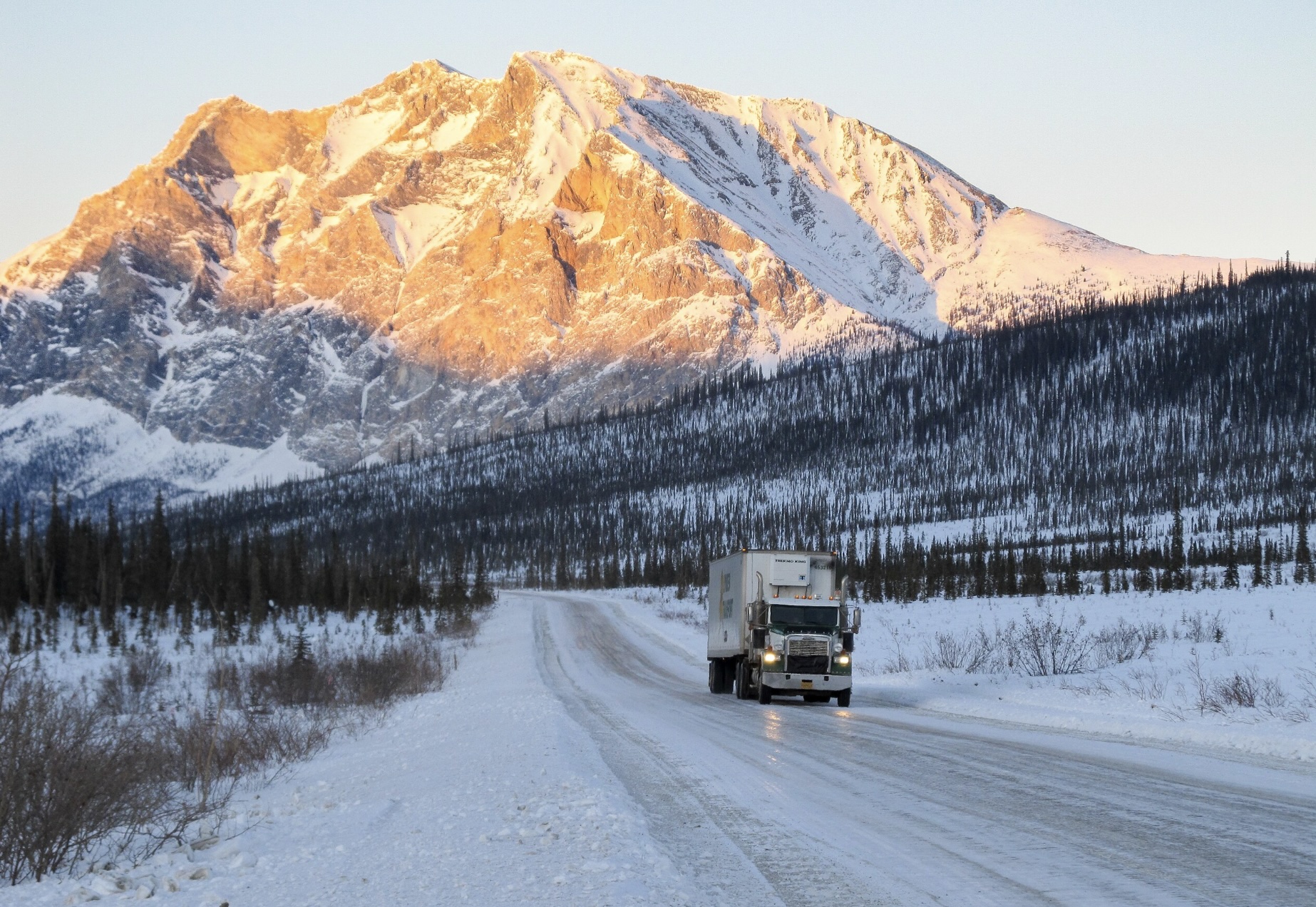
The thermometer on a Wasilla freight yard rarely lies. At 40 below, even the most seasoned drivers brace for a morning spent coaxing stubborn engines back to life, tapping frozen lines, and praying the diesel exhaust fluid hasn’t turned to slush.
When a truck won’t start in that kind of cold, supply chains stall, food and fuel don’t move, and the basic functioning of rural Alaska can grind to a halt. What many Outside policymakers never understand is that in the Interior and Arctic, a misfire isn’t an inconvenience. It can be a disaster.

That is the reality Congressman Nick Begich aims to address with the House companion to the Cold Weather Diesel Reliability Act, a bill designed to fix federal emissions rules that are increasingly unworkable in the nation’s coldest climates. Begich introduced the legislation this week, arguing that current EPA regulations force diesel engines in Alaska and other northern states to behave as if they’re operating in Southern California, not in the deep freeze where diesel exhaust fluid often can’t reach federally required temperatures. When that happens, modern emissions systems can trigger automatic shutdowns manned by government, killing an otherwise healthy engine on the spot.
Sens. Dan Sullivan of Alaska and Cynthia Lummis of Wyoming introduced the Senate version earlier this month, citing similar concerns from northern-tier truckers, farmers, and heavy-equipment operators. The proposal has gained broad support from Alaska’s transportation, agriculture, freight, and construction sectors, all of which depend on equipment that must stay running regardless of weather.
Across Alaska, those automatic EPA shutdowns have become a growing safety hazard. In subzero temperatures, trucks delivering freight to rural hubs, heavy equipment used in mining or road construction, and even airport and military assets can suddenly power down simply because onboard emissions monitors detect cold DEF.
Mechanics describe the same scenario again and again: Engines working fine, but the emissions system rules overriding everything else and forcing a shutdown that puts drivers and equipment at risk.
The Cold Weather Diesel Reliability Act directs the Environmental Protection Agency to revise those rules and acknowledge that one-size-fits-all policies don’t work in Alaska. The bill would allow year-round exemptions from the DEF system requirements for trucks and machinery that primarily operate in cold-weather regions and require the agency to update guidance so engines remain operable in extreme cold.
For the drivers trying to get food to Fairbanks, gravel to a winter road project near Delta Junction, or fuel to a community, the stakes are simple: If the truck won’t run, nothing else happens.
Begich and Sullivan’s bills seek to ensure that federal policies finally account for the realities of the cold, not the theories of regulators who have never tried to start a diesel engine at dawn in an Interior winter.



4 thoughts on “Sullivan and Begich team up to keep Alaska’s diesel engines running in extreme cold”
Something I have noticed is these New cars made 2015 and Newer also too are not as resilient to arctic temperatures
My older car made in 2007 sounded “better” than my now 2017 when starting up after sitting overnight in cold. Those newer vehicles made after 2015 are little Princess cars that they need a heated garage to increase its life expectancy
*forget the cars made after 2020 when its revealing older vehicles are better made for extreme cold temperatures
My 91 Ford diesel was plugged in all night and started right up today. It doesn’t have all this EPA stuff like DEF. It was 8 above and I plowed snow with it all day without a hitch. I cherish that old truck. I bought it in 91 and the memories it evokes are worth more than a brand-new truck.
I am convinced the whole intent of the stupid DEF system was to destroy the diesel market. Completely useless in cold weather. We had to stop buying diesels for our business. It does not have to be 40 below for the ridiculous system to fail. Try simply below freezing! Unless you have a huge shop to park all of your trucks each night to thaw everything out it is nothing but a dangerous problem. Then add also the former ‘administration’ made it a criminal offense to remove the failing part of the system. That in itself should be criminal. Albeit the last ‘administration’ was indeed criminal.
The Slope mostly shuts down operations at -40 and below mostly because statistically they see more failures of seals and other formerly flexible fittings when you get colder than that. The other thing they do is not shut off their diesel trucks when it gets cold. There used to be fuel trucks that would make the rounds of parking lots topping off running diesel trucks all winter. Cheers –