By SUZANNE DOWNING
Sept. 19, 2026 – About 75 ballots cast by voters in rural Alaska were not counted in the Aug. 18 primary because the mail did not deliver them before the state certified the election results on Aug. 31.
The Alaska Division of Elections described the problem delicately as “uncertainty with mail in rural Alaska.” But the underlying problem was more straightforward: The mail was too slow.
The affected ballots were cast absentee in person in seven western Alaska communities. Although the voters went to an authorized voting location to complete their ballots, absentee-in-person ballots are still mailed to the appropriate regional elections office for review.
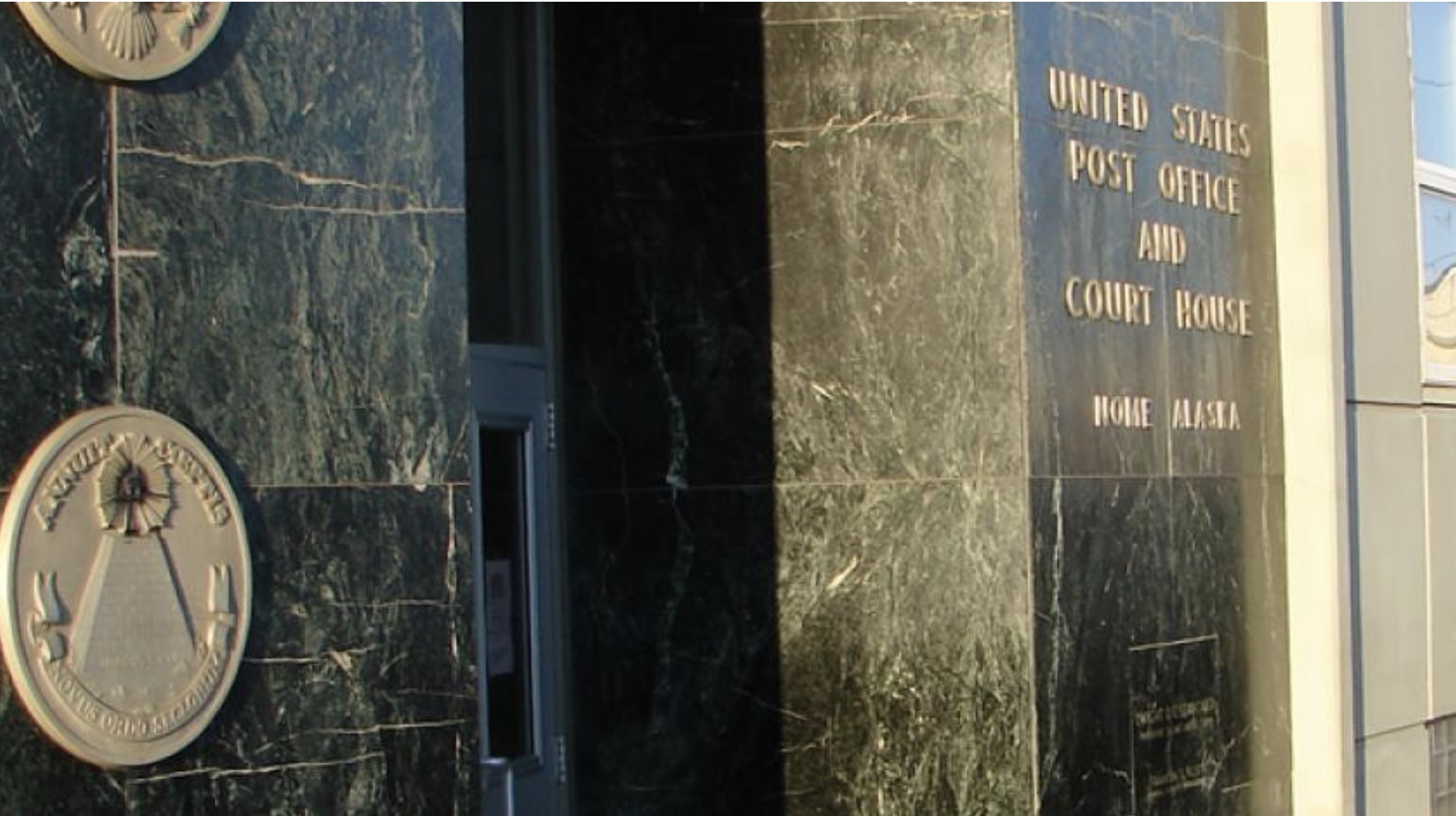
In this case, the ballots were sent to the Division of Elections’ Region IV office in Nome. They arrived only after the primary results had been certified, making them too late to be included in the count.
The problem affected ballots from King Cove, Nikolski, Igiugig, Naknek, Quinhagak, Pitka’s Point and Kotzebue:
| Community | Ballots |
| King Cove | 5 |
| Nikolski | 4 |
| Igiugig | 21 |
| Naknek | 13 |
| Quinhagak | 1 |
| Pitka’s Point | 3 |
| Kotzebue | 28 |
| Total | 75 |
Kotzebue accounted for the largest number, with 28 ballots, followed by Igiugig with 21 and Naknek with 13. Those three communities accounted for 62 of the 75 ballots that went uncounted.
For the next two elections, the division says absentee-in-person ballot mail from Region IV will be rerouted to the Region II office in Anchorage. The change is intended to avoid the delays associated with sending the ballots through Nome.
The division has sent notices to the affected voters.
Early-voting ballots do not face the same problem because election workers verify a voter’s eligibility when the ballot is cast at a regional office or designated early-voting location. Absentee-in-person ballots, despite the name, must be transported to a regional office and reviewed by regional staff and the Absentee Review Board before they can be counted.
A review of the certified primary results shows that the missing ballots would not have changed which candidates advanced to the November general election.
In the statewide races, the closest top-four cutoff was in the US Senate contest. Fourth-place candidate David Leslie received 1,850 votes, while fifth-place candidate Gerald Heikes received 1,741—a difference of 109 votes. Even if all 75 delayed ballots had gone to Heikes, he still would have remained behind Leslie.
In the governor’s race, fourth-place finisher Treg Taylor led fifth-place finisher Click Bishop by 401 votes. In the U.S. House race, fourth-place candidate Eric Hafner led fifth-place candidate John Williams by 1,762 votes.
The closest potentially relevant legislative contest was House District 37, which includes King Cove, Nikolski, Igiugig and Naknek. Those communities accounted for 43 of the delayed ballots.
Mark Smith finished fourth in that race with 398 votes, while Dennis Robinson finished fifth with 343, a difference of 55 votes. Even in the mathematically extreme scenario in which all 43 delayed District 37 ballots went to Robinson and none went to Smith, Robinson still would have remained 12 votes behind.
House District 38 had four candidates, so all four advanced. House District 39 had three candidates, and House District 40 had two. The delayed ballots therefore could not have eliminated a candidate in those contests.
The late ballots did not alter the outcome of this primary, but the episode exposes a vulnerability that could be decisive in a closer election. In the past, at least one rural Alaska election was decided by a coin toss (Democrat Bryce Edgmon and incumbent Representative Carl Moses, 2006).
The division’s decision to reroute the ballots through Anchorage is an acknowledgment that the existing system failed those voters. Whether the Anchorage route solves the problem will be tested during the next two elections.