



By REP. KEVIN MCCABE
I always approach the Alaska LNG discussion from a practical, Alaska first perspective. This is not about theory, branding, or chasing the latest energy trend. It’s about whether Alaska uses all of its resources constitutionally and responsibly, whether we keep the lights on at home, and whether the United States supplies energy to allies instead of leaving those markets to unstable or adversarial regimes.
Recent announcements from Glenfarne advancing Phase One represent meaningful progress. Construction contracts, line pipe supply, and in state gas agreements are tangible steps forward. If timelines hold, construction could begin as early as 2026, with gas flowing later in the decade. That matters because Southcentral Alaska is running out of options as Cook Inlet production continues to decline.
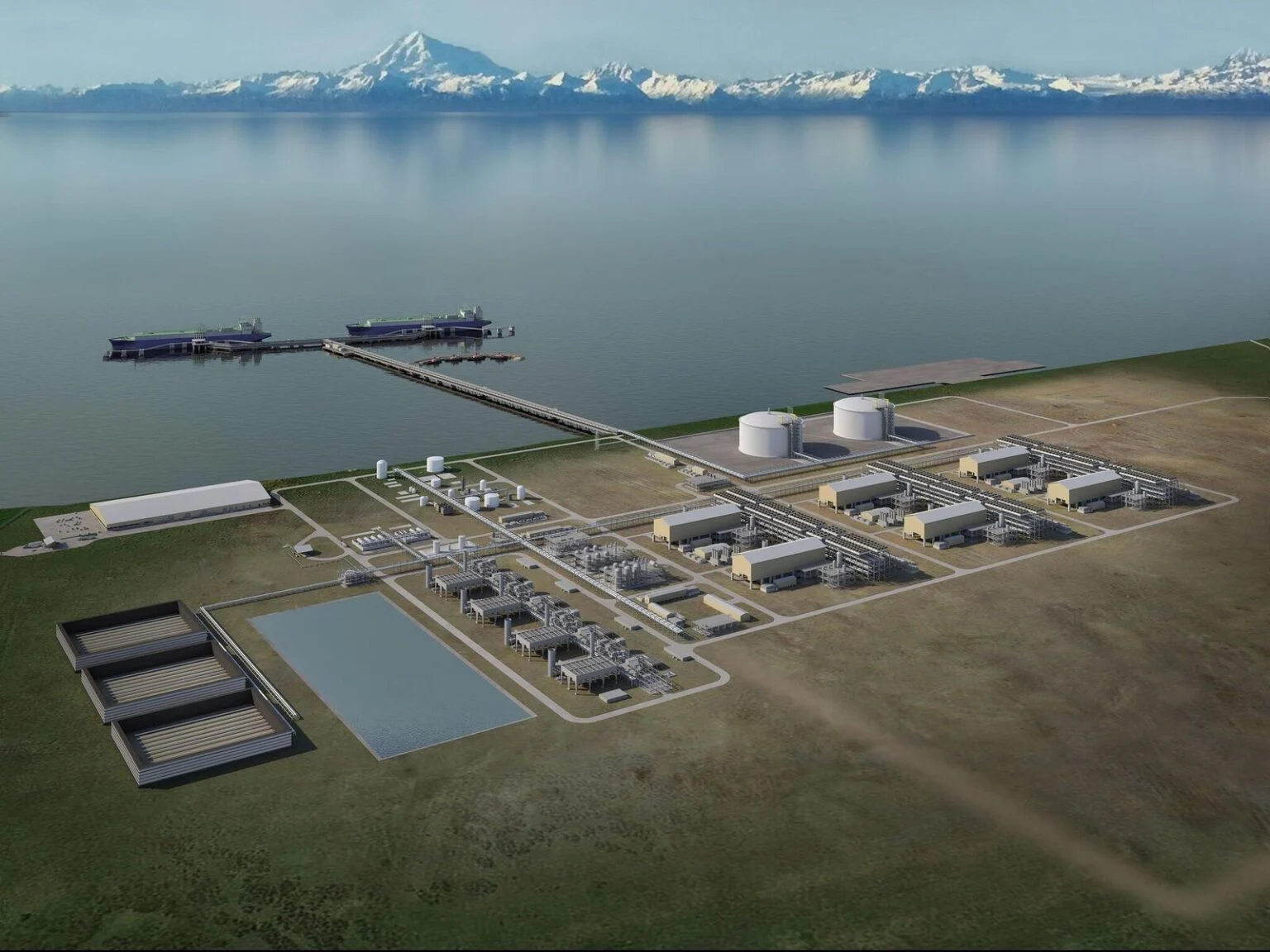
The North Slope holds enormous volumes of natural gas that are currently stranded. We know those resources exist because, as a byproduct of oil production, Alaska has been reinjecting natural gas back into the ground for decades. Without a pipeline and liquefaction facility, that gas provides no benefit to Alaskans. The Alaska LNG project unlocks those resources through an approximately 800 mile pipeline to Nikiski, supplying gas for in state use while supporting exports to allied nations in the Indo Pacific.
Exports are not a side benefit, they are what make the project economically viable. Japan and South Korea have long been major LNG buyers, and Taiwan stands alongside them as a key export destination. These are stable, allied markets that value reliability and long term contracts. Alaska’s location provides a clear competitive advantage, with shorter shipping routes to Asia than Gulf Coast projects, fewer chokepoints, lower transportation costs, and greater supply security. That advantage strengthens U.S. energy leadership in a region where energy security and our allies’ national security are directly linked.
At home, the stakes and benefits are immediate. Southcentral Alaska relies on natural gas for roughly seventy percent of its electricity and virtually all space heating. As Cook Inlet gas continues to decline, the fallback is not some seamless import solution. While limited LNG imports may be possible, the most likely short term response is increased diesel generation. That means higher costs for families and businesses, higher emissions, and reduced reliability, particularly during winter peak demand. Alaska LNG provides long term access to North Slope gas and helps prevent forced importation of expensive LNG or a costly return to large scale diesel power generation.
The Alaska Industrial Development and Export Authority, or AIDEA, will play a critical role in ensuring Alaska businesses, not just Outside firms, are able to participate in this project. Large infrastructure projects naturally favor national contractors with deep balance sheets, which can crowd out smaller Alaska based companies. Through loan participation, bonding support, and targeted financing tools, AIDEA helps Alaska subcontractors expand capacity, purchase equipment, hire workers, and compete for pipeline and construction work. That means more Alaskans employed, more payroll staying in state, and long term business growth rather than fly in, fly out contracting.
Port MacKenzie is another strategic asset that strengthens this project and expands its benefits across Southcentral Alaska. The port’s deep water access, available industrial land, and planned connection to the Alaska Railroad make it a natural logistics hub for pipe, materials, and heavy equipment. The rail spur linking Port MacKenzie to the main railbelt increases efficiency, reduces highway congestion, and lowers project costs. Moving eighty foot sections of pipe by rail from Port MacKenzie will significantly reduce wear and tear on the Glenn and Parks highways while improving safety and efficiency.
The Alaska LNG project also supports aviation and freight operations that are essential to Alaska’s economy. International cargo aircraft, including 747 and 777 freighters operating into Japan and South Korea, are increasingly subject to fuel standards and emissions requirements imposed by foreign governments and international aviation authorities. Sustainable aviation fuel is becoming a requirement in those markets, particularly for long haul cargo operations. Reliable, affordable natural gas supports the energy intensive refining, processing, and logistics systems that make large scale aviation fuel production and regulatory compliance possible.
I support carbon sequestration where it is needed and grounded in geology, engineering, and economic reality. Alaska has real opportunities for Class VI well primacy tied to industrial activity, not speculative schemes dependent on shrinking subsidies or unproven demand. We have the pore space, and we should use it. Alaska LNG allows those options to be pursued responsibly without making the project dependent on fragile policy assumptions.
Some critics continue to label Alaska LNG a so called carbon bomb. That emotional headline ignores how Alaska’s energy systems actually function. When Alaska LNG is exported to Asia, it displaces coal, the most carbon intensive fuel in use today. Shorter shipping distances further reduce emissions, and modern infrastructure continues to improve efficiency. At home, the project helps prevent a shift toward increased diesel generation, which would raise both costs and emissions.
This project is about using Alaska’s resources early, strategically, and responsibly. Alaska LNG will put Alaskans to work, strengthen Alaska businesses through AIDEA backed participation, activate Port MacKenzie and rail infrastructure, secure reliable energy for our communities, and reinforce America’s alliances abroad. Fossil fuels are not going away anytime soon.
The question is whether Alaska chooses to lead or be left behind.
Rep. Kevin McCabe is an Alaska legislator representing District 30, Big Lake. He has lived in Alaska for 43 years, served in the US Coast Guard, as a Boeing 747 captain, and was a volunteer firefighter.




2 thoughts on “Rep. Kevin McCabe: With Alaska LNG, it’s either lead or be left behind”
I like your LegoLand model of the LNG liquefaction and tanker loading facility.
More AI-generated dishonesty from McCabe.