By SUZANNE DOWNING
Oct. 2, 2026 — Alaska North Slope oil production has posted a daily reading of 551,247 barrels, an encouraging jump as new production from the Pikka oil field adds momentum to the state’s petroleum industry. That’s an amount not seen in 14 years.
The figure puts daily output well above the 500,000-barrel mark and substantially ahead of August’s average.
“The North Slope renaissance is real, and we’re seeing it in the barrels flowing through TAPS. Stability matters—when Alaska provides a predictable investment climate, companies invest, projects move forward, and new production comes online. Our members are continuing the investment in Alaska’s future,” said Steve Wackowski, president and CEO of the Alaska Oil and Gas Association.
North Slope production had already crossed 500,000 barrels earlier in September. Alaska Department of Revenue daily reports showed production of 510,389 barrels on Sept. 2, when Alaska North Slope crude was priced at $93.60 per barrel.
The monthly numbers show a more gradual improvement. According to Alaska Oil and Gas Conservation Commission figures, North Slope production averaged 458,836 barrels per day in August, up about 0.6% from July and nearly 9% from August 2025. That total includes natural gas liquids; crude oil alone averaged 419,680 barrels per day.
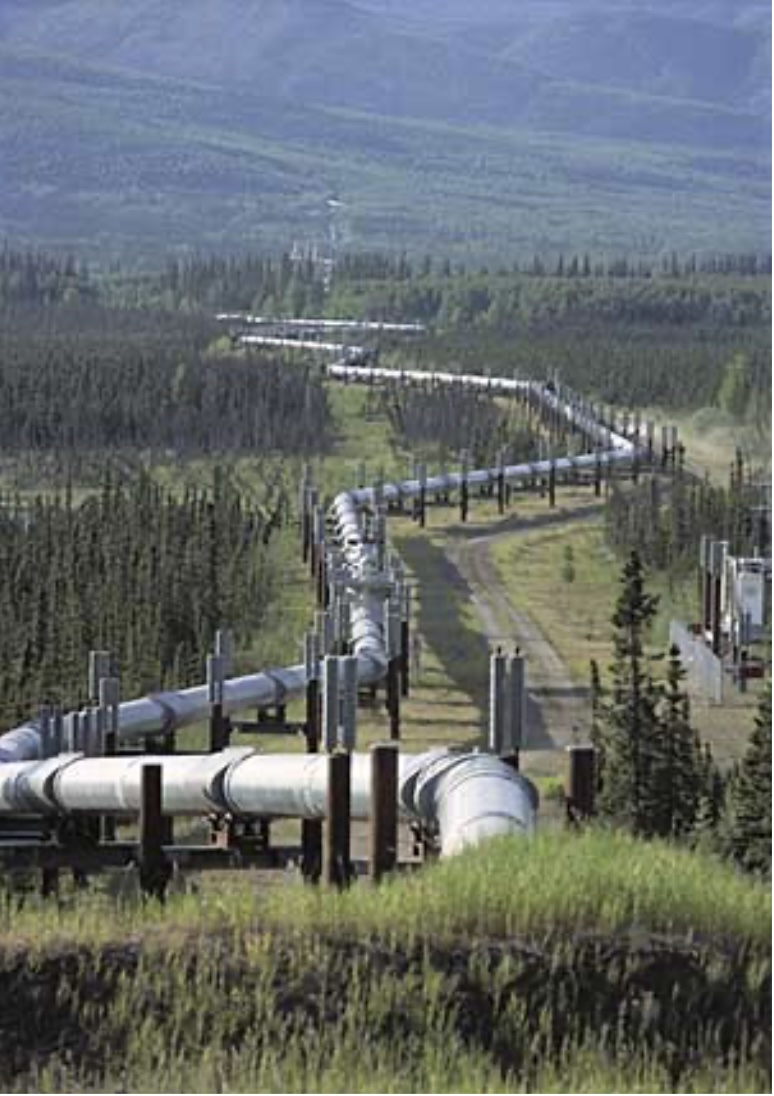
Alyeska Pipeline Service Co. reported that the Trans-Alaska Pipeline System carried an average of 457,788 barrels per day in August. Its year-to-date average through August was 458,570 barrels per day. Production and pipeline throughput are separate measurements.
Much optimism centers on Pikka, the Santos-operated development owned with Repsol on the western North Slope. The partners announced first oil in May, with Phase 1 designed to reach a plateau of approximately 80,000 barrels per day. Continuous production began in June. By early September, production wells were delivering about 40,000 barrels per day.
Pikka’s contribution helps because Alaska’s established fields have spent decades fighting natural decline. New production gives the state an opportunity to replace declining barrels and increase the volume moving through its existing pipeline.
The latest monthly figures also show that the recovery varies by field. August production rose at Colville River, Greater Mooses Tooth and Oooguruk, while Prudhoe Bay and Milne Point recorded declines from July. The statewide improvement therefore does not mean every major producing field is growing.
The Department of Revenue’s spring forecast anticipated a substantial increase as new developments entered production. It projected North Slope output averaging 459,200 barrels per day in fiscal year 2026 and 518,500 barrels per day in fiscal year 2027, which began July 1.
Looking farther ahead, the department forecast production exceeding 600,000 barrels per day in fiscal year 2032 and 650,000 barrels per day in fiscal year 2034. Those projections depend on Pikka, some smaller developments, continued drilling in existing fields and the expected start of production from ConocoPhillips’ Willow project in fiscal year 2029.
A daily reading above 551,000 barrels is a promising sign. The last time Alaska North Slope crude production averaged more than 550,000 barrels per day was March 2012, at about 558,000 bpd, according to US Energy Information Administration monthly data.
Sustaining production above 500,000 barrels per day would give Alaska a stronger foundation for petroleum revenue, industry investment, and the continued operation of the pipeline that has carried North Slope oil since 1977.