


By SUZANNE DOWNING
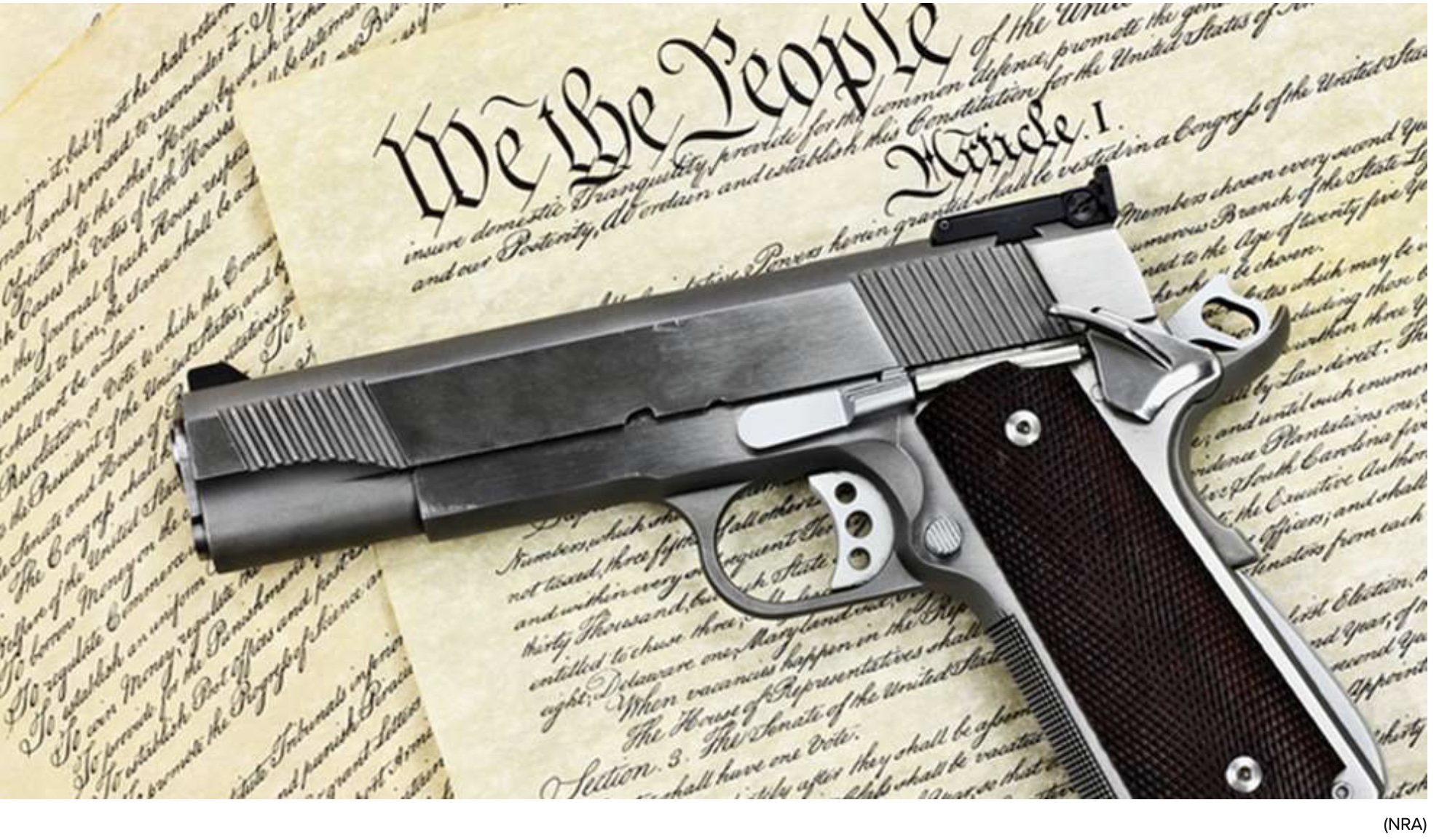
Oct. 15, 2026b – Acting Alaska Attorney General Cori Mills is asking the next Legislature to clarify Alaska’s firearms laws after a federal court ruling and a change in federal enforcement policy left uncertainty surrounding ownership of suppressors, short-barreled rifles, and short-barreled shotguns.
The issue is a conflict between Alaska’s criminal code and federal registration requirements that the Bureau of Alcohol, Tobacco, Firearms and Explosives has announced it will no longer enforce for those items.
Mills welcomed the court decision and said Thursday that lawmakers need to address state statutes that tie a defense against criminal prosecution to compliance with federal registration requirements.
“The Second Amendment, and the right to bear arms, must be protected,” Mills said. “The court made the right decision, and we appreciate the court recognizing federal overreach into our Second Amendment rights.”
Until lawmakers act, the Alaska Department of Law has asked law enforcement agencies to consult with state prosecutors before filing charges under the affected statute.
The dispute stems from Silencer Shop Foundation v. Bureau of Alcohol, Tobacco, Firearms and Explosives, a case challenging requirements under the National Firearms Act.
Enacted in 1934, the NFA established a federal tax and registration system covering certain firearms and devices, including suppressors and short-barreled rifles and shotguns. Historically, acquiring or making those items generally required an application, federal approval, registration, and payment of a $200 tax.
Congress eliminated the making and transfer taxes for those items through the One Big Beautiful Bill Act, effective Jan. 1, 2026, but left the associated regulatory requirements in place.
Alaska joined 14 other states and additional plaintiffs in challenging the remaining requirements, arguing that Congress could no longer justify them under its taxing authority once the taxes were eliminated.
On Aug. 5, a federal district court agreed with the plaintiffs. The Department of Justice subsequently decided against appealing.
The court’s injunction protected the plaintiffs. Federal officials then adopted a broader policy of nonenforcement, extending that approach nationwide through ATF guidance issued Oct. 9. That agency policy is distinct from a nationwide court injunction.
According to the Department of Law, Alaska law continues to prohibit possession of certain weapons while providing an affirmative defense for people who comply with applicable federal registration requirements.
That connection to the federal system is now the source of uncertainty.
ATF will continue processing voluntary registration applications because some states, including Alaska, have laws tied to federal registration. Its guidance expressly leaves state restrictions in place.
But the Department of Law says keeping voluntary registration available does not settle the broader question of how Alaska’s prohibition should operate under the changed federal framework.
“While a win for the Second Amendment, the court case and the ATF’s guidance adds a level of confusion for many Alaskans who want access to these firearms but don’t see the legal way forward in ownership under existing law,” Mills said.
“The proper place for this to be resolved is in the State Legislature and I’m asking the next legislature to look at this issue, and the Department of Law stands ready to assist.”
The Law Department said it will carefully evaluate potential cases under the affected provision, considering the court decision, federal guidance, and constitutional issues.
“In the meantime, our department is asking law enforcement to work closely with state prosecutors before filing any charges as the state of the law is in flux,” Mills said.
The federal changes leave other firearms requirements intact. Licensed dealers must continue conducting required background checks and must maintain transaction records. Machine guns and certain other devices remain subject to the NFA’s full requirements.


One thought on “Mills urges Legislature to fix Alaska firearms law after federal court victory”
This lawyerly angst is to be expected. However I’m pretty sure that AK statute is worded to the effect that possession of these items must be in conformity with federal law (and related regulations). I’d argue that while additional clarity in Alaska would be good, it isn’t necessary to effectuate implementation of the revised federal interpretations.
The issue sadly remains that without a revision of Federal statute, a change in US administration back to the anti-gun zealots would see the old interpretations restored along with a vicious persecution of anyone possessing these devices under the current relaxed interpretations.
Buyer beware.