


By SUZANNE DOWNING
May 7, 2026 – As oil prices rise and lawmakers in the Alaska House look for ways to spend the resulting revenue bump, two major transportation projects have been pushed off the table in favor of school repairs and renewable energy investments.
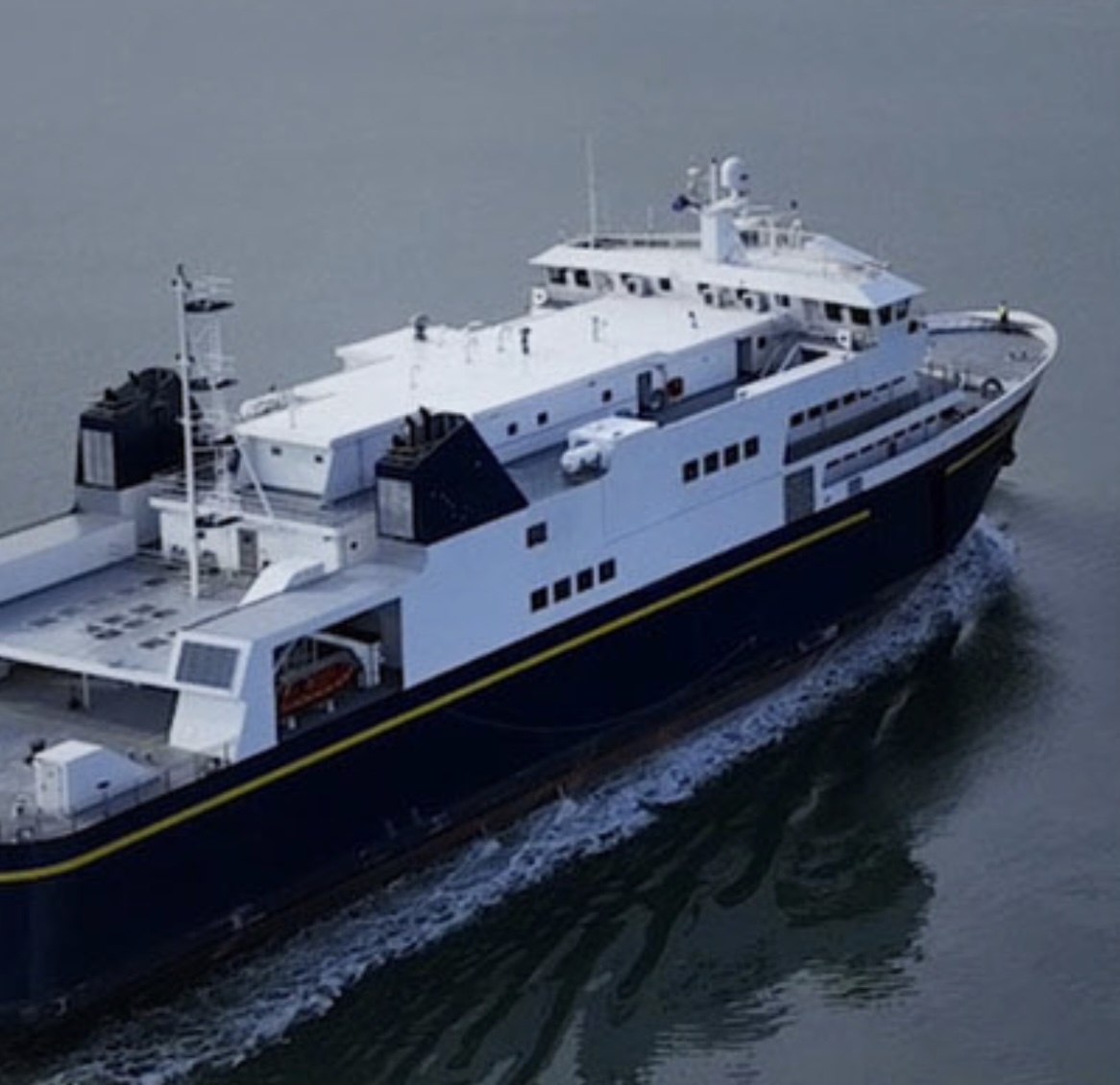
The House Finance Committee unveiled its version of the state capital budget this week, adding nearly $100 million in general-purpose spending to the roughly $250 million capital budget already passed by the Senate in April. The revised proposal leans heavily into education building spending and renewables, while also stripping out authorization for approximately $135 million in federal funding tied to two transportation projects: the Cascade Point ferry terminal in Juneau and the West Susitna Access Road project in the Mat-Su Borough.
For many Valley residents, removal of the West Susitna project is seen as a major setback. The road is critical infrastructure that would open access to vast areas for recreation, resource development, and future economic opportunity. Although Rep. Kevin McCabe has made the project a priority, Democrats oppose the project over environmental concerns. Even his support for the Democrats’ election bill was not enough to get him support for his district’s project.
The House majority’s budget priorities reflect a different vision for how to use the additional oil-driven revenue now expected to flow into state coffers.
Rather than boosting the Permanent Fund dividend to its statutory level, lawmakers are directing money toward government.
More than half of the House’s additions to the capital budget are aimed at schools and university facilities statewide. That includes $10 million for repairs at Mt. Edgecumbe High School and $6 million for construction of a new school in Deering, where the existing facility is considered outdated and undersized.
If oil prices remain elevated through the end of the fiscal year in June, lawmakers say another five projects could also be funded.
The House proposal also allocates $9 million for nine renewable energy projects spread across the state, including projects in Southeast Alaska, the Railbelt, and the Yukon-Kuskokwim Delta. Another provision would set aside between $15 million and $25 million for upgrades to the Port of Alaska, depending on oil revenues.
But the elimination of authorization for the Cascade Point ferry terminal and West Susitna projects signals a sharp shift in priorities.
The House Finance Committee is expected to continue debate on the capital budget through amendments scheduled for Thursday and Friday, setting up another round of negotiations between the House and Senate before the budget reaches Gov. Mike Dunleavy.

8 thoughts on “House cuts two major transportation projects, adds renewables to capital budget”
That ferry is a boondoggle and a half, hope it stays dead. Usually at least the locals WANT the stupid public spending, wasting money when people aren’t even grateful for the handout is absolutely laughable from a “fiscally conservative” Governor.
That time of year again when:
… Spring brings warmer weather.
… Spring brings sunnier days.
… Spring cleaning projects abound.
… AND(!), AK Legislators show their arrogance, true-colors and stupidity!!!
So is this payback for not over riding the veto?. There was even federal money they cancelled! Always shenanigans at the clown show. What other deals are in the works?
“………. Even his support for the Democrats’ election bill was not enough to get him support for his district’s project………..”
Republicans never learn.
More money for brick & mortar schools even as we are closing schools due to falling enrollment. We truly have more than our fair share of dunces in our legislature!
When are you people going to realize that the legislature has far more pet projects and boondoggles to fund than things that actually help people? Oh, and don’t forget the pension plan.
West Susitna access is a road for the mining companies. Use federal funding to fix existing roads instead of a road to no where. Want to build a road that will REALLY help the Mat/Su, build the Knik Arm crossing. Provide a different route to Anchorage. That would have a generational impact on Alaska.
From l low the money, as always, whatcha who becomes the prime contractors on all the little projects watch the money flow,right back into bribes ( i.e. campaign contributions, whether direct , or in-kind.) Those union workers won’t get themselves out to vote without those tidy little infusions,of the public’s money given to the Bosses