


By THE ALASKA STORY
A heating oil spill is already under investigation in Juneau as Southeast Alaska shifts from historic snowfall to rain and warming temperatures, prompting state environmental officials to issue an urgent warning to homeowners across the region.
The Alaska Department of Environmental Conservation confirmed this week that response crews are in the field in Juneau dealing with an active fuel spill tied to residential heating oil. Officials say the rapidly changing weather following weeks of heavy snow has created ideal conditions for tanks and fuel lines to fail.
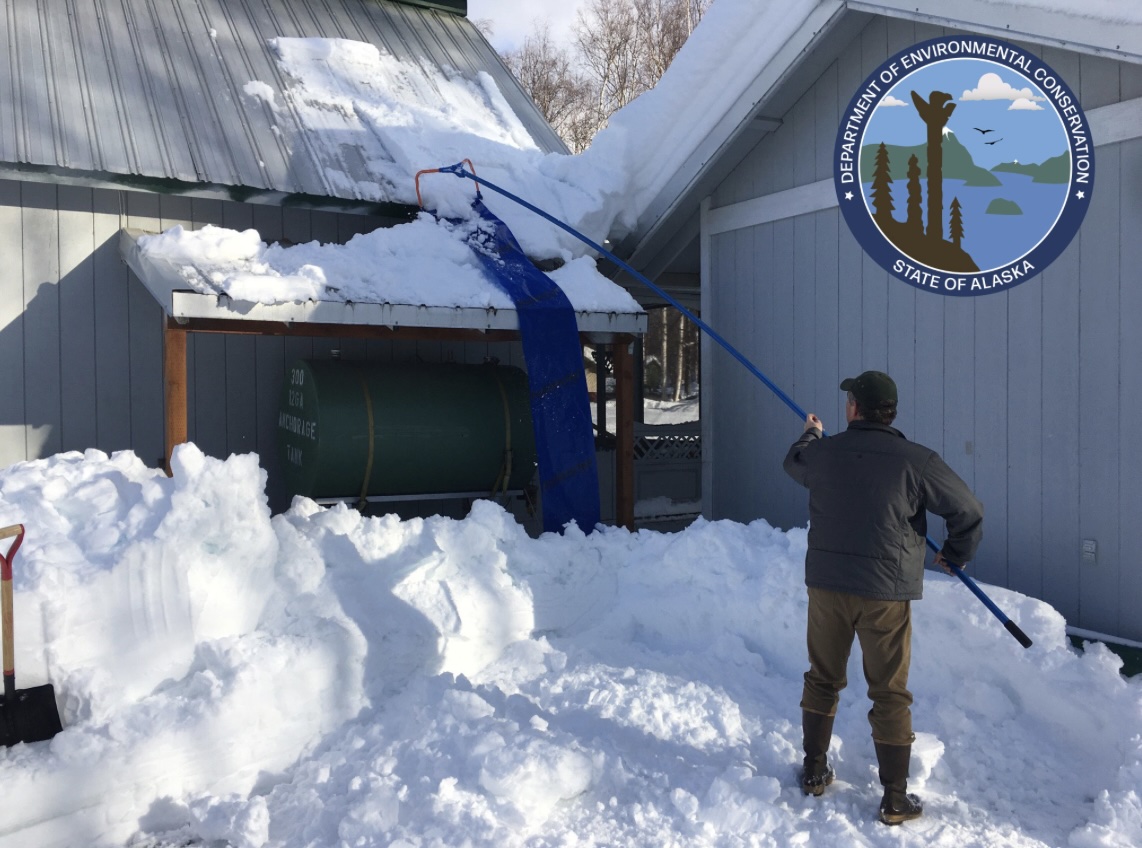
As temperatures rise and rain soaks deep snowpack, two major threats to heating oil systems emerge. One threat is roof shedding. That’s when large slabs of snow and ice suddenly slide off roofs with tremendous force, often striking outdoor tanks or ripping fuel lines loose. The second threat is the sheer weight of wet snow, which is significantly heavier than dry powder and can stress tank stands, crack filters, and shift piping enough to cause leaks.
Heating oil tanks are common across Southeast Alaska, where many homes rely on above-ground tanks located next to buildings or under rooflines. During winter storms, those tanks are often buried in snow, making damage difficult to spot until fuel has already begun leaking into soil, drainage systems, or nearby waterways.
DEC is urging homeowners to inspect their heating oil systems immediately, especially if they are clearing snow, moving slush, or noticing changes in how their heating system is operating.
Officials recommend that residents locate fuel lines before shoveling or using heavy equipment so they are not accidentally struck or crushed. Tanks and piping should be kept clear of snow storage areas and away from foot traffic or plow piles. Vents must be checked to ensure they are not blocked by snow, ice, or debris, which can lead to pressure problems inside the tank.
One of the earliest warning signs of a leak is a sudden increase in fuel use. If a tank that normally lasts several weeks suddenly empties much faster, it may be losing fuel into the ground rather than feeding the furnace.
Homeowners are also advised to look for visible signs of a spill, including an oily, rainbow-colored sheen on snow, puddles, or standing water, as well as the smell of diesel or heating oil around the tank, inside the home, or in crawlspaces.
Fuel spills from residential heating oil tanks are a common environmental problem in Alaska and can be costly to clean up. Even small leaks can contaminate soil and groundwater, requiring excavation and disposal of polluted material.
DEC is asking anyone who sees or smells a possible heating oil spill to report it immediately. The agency’s spill response line is 1-800-478-9300, and reports can also be filed online through the state spill reporting system.
With more rain forecast and snowpack continuing to shift, environmental officials say now is the time for Southeast Alaska residents to take a close look at their heating systems before a small problem becomes a major spill.

One thought on “Heating oil spills reported in Juneau as Alaska DEC warns Southeast homeowners to inspect fuel tanks”
What Alaska should be foreseeing next is when we usually have a really cold unusual winter what follows is a really long dry hot summer for higher fire risk zones
Natural disasters is WHY you don’t want to be a state of people who are government dependent
Because just think about it if you have your whole capital wrapped up maintaining a governneny and When an extreme disaster either natural or financial hits your state. You and your retirement will be destroyed. There are so many boomers resting secure because of state government retirements while state legislatures are immature and corrupt to be spending the state toward bankruptcy.