By SUZANNE DOWNING
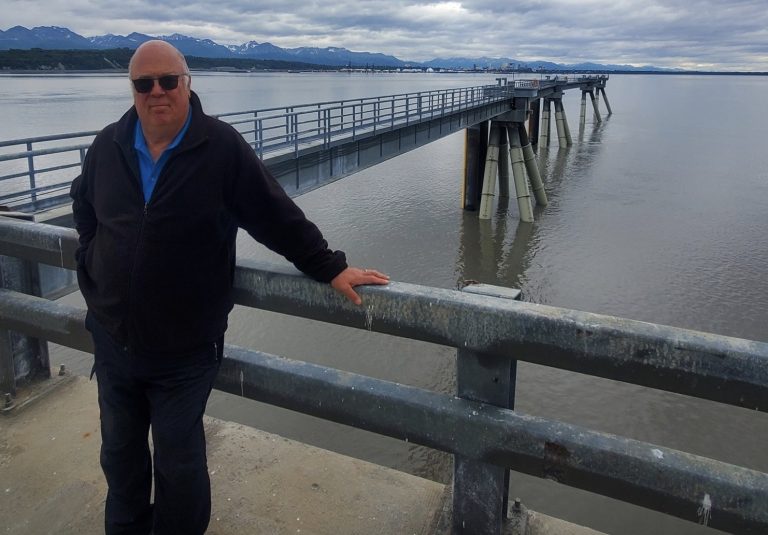
The controversy surrounding the sudden and mysterious dissolution of the Alaskan Independence Party is deepening, as former party chairman Bob Bird publicly challenges whether the party can legally disband without a convention, a vote of the membership, or formal notification to the state.
Bird, who served multiple terms as chair of the Alaskan Independence Party, circulated a letter Saturday to supporters and former members disputing the legitimacy of the party’s surprising Dec. 7 board action that declared the AIP dissolved. The dissolution was then announced to a narrow audience on Dec. 31.
Bird argues that the decision was made unilaterally by party officers, without due process, and without the procedural steps historically required to wind down a recognized political party.
Bird was out of state over the holidays on a family visit when the unsigned statement announcing the party’s dissolution was released. He is returning to Alaska late Sunday and said he plans to address the issue publicly on his radio program Monday afternoon.
Research by The Alaska Story also found that, as of publication time last week, the party had not formally notified the Alaska Division of Elections that it had dissolved, raising additional questions about whether the party is legally defunct under state election law.
In his letter, Bird said he doubts that a simple resolution by party officers is sufficient to dissolve a party that has existed for more than five decades.
He maintains that a convention must be called to determine whether new leadership is willing to assume control of the party rather than declaring it defunct, and noted that there may still be funds remaining in the party’s treasury that require proper disposition.
Bird also indicated that any effort to preserve the AIP would begin with consultation with the Division of Elections to determine the legal status of the party and the requirements for dissolution.
Bird is well known on the Kenai Peninsula as host of Talk of the Kenai, airing live weekdays from 3 to 5 pm on KSRM, where he regularly covers local news, state politics, and community issues. In 2025, Bird was named Broadcaster of the Year by the Alaska Broadcasters Association for his work in sports play-by-play, local journalism, and political commentary, and for his role in connecting Alaskans to statewide and national leaders.
Bird was previously removed as AIP chair at the party’s April 2024 convention in Fairbanks, a decision supporters attributed at the time to dissatisfaction with the party’s growth rate. Under Bird’s leadership, the AIP experienced a surge in registrations during the 2020 election cycle, with enrollment topping 20,000 by December of that year.
He had been re-elected chair at the party’s 2022 convention in Soldotna but was voted out two years later and replaced by John Wayne Howe, a longtime party activist and protégé of AIP founder Joe Vogler.
As previously reported by The Alaska Story, the party’s current board announced in late December that it had voted to dissolve the AIP following an internal review that concluded the party was “legally alive yet spiritually dead.” The board cited member disengagement, ideological drift, and the belief that many registrants no longer supported the party’s founding principles.
However, multiple party members told The Alaska Story they were unaware the party was considering dissolution until after the announcement was made.
Bird says the backstory is complex and has invited questions from listeners and party members, noting that former AIP chairman Mark Chryson may join him by phone during his broadcast.
He has made clear that his motivation is to see the AIP survive, arguing that Alaska still needs a political movement centered on liberty, prosperity, and transparent government, goals he believes are no longer being met by the major parties.
Whether the Alaskan Independence Party is truly dissolved, or whether the board’s action can be reversed or challenged, may now hinge on guidance from state election officials and whether a convention is ultimately convened.
For a party that once reshaped Alaska politics, the fight over its ending may prove as dramatic and consequential as its rise.