



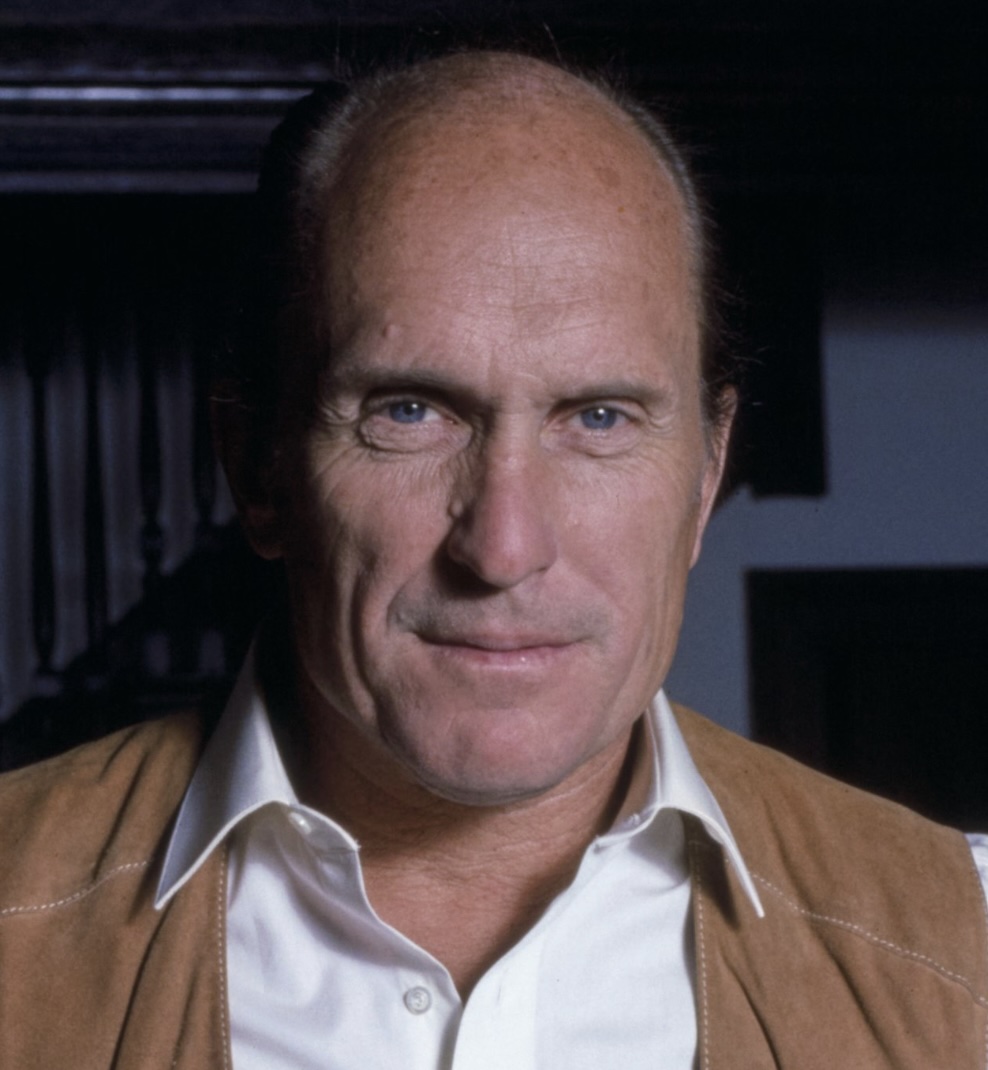
Robert Duvall died on Sunday. He was 95 years old. To readers born after the turn of the millennium, the name may produce a confused shrug: “Who was he?”
An actor whose life and career straddled the twentieth and twenty-first centuries, the Oscar winner represented something unique in the tapestry of Americana: a performer who gave ordinary people the chance to see themselves in his characters.
Some may be surprised to learn their first memory of him was for a fragment of seconds in black and white, likely seen in a school classroom.
Duvall played Boo Radley, the literal boogeyman in To Kill a Mockingbird, cowering in the corner of a room after saving young Scout and her brother from the racist, incestuously vicious villain created by Harper Lee in her classic book. In a few frames, with the honey-layered assurance of Gregory Peck’s universal fatherly tone off-screen, Boo became “Mr. Arthur Radley.” A young child shook the hand of her scared savior. Generations of young viewers have since bridged their fears of shadows with that inspiration.
He first became known to most Americans as Tom Hagen, the consigliere (that insular Italian word has entered the national lexicon thanks to his character) of the Corleone crime family in The Godfather I and II.
Duvall’s Hagen was unglamorous but steady, polite but amoral, loyal but held at the periphery. Duvall mastered the archetype of the lawyerly traits fused with the palace advisor, relied on but never fully trusted, appreciated but never fully valued. If you saw Tom Hagen coming with an offer, as velvety as the words were, there was menace implied behind them. How many aspiring law and business students have copied that and looked for a horse’s head?
If Millenials and Gen Zers know Duvall, it is likely as meme fodder from his role as the Vietnam war Air Cavalry Lieutenant Colonel Bill Kilgore in Apocalypse Now, swaggering in the middle of a firefight, calling in a napalm strike to enable the surfing to continue. Kilgore told generations of veterans that the smell of napalm in the morning smelt ‘like victory.’
Duvall could effortlessly pivot from New York’s mafia boardrooms and the jungles of southeast Asia to the Texas plains. Along with Tommy Lee Jones, Duvall portrayed one of two retired Texas Rangers driving cattle to Montana country. That story, Lonesome Dove, is a mainstay of the cowboy canon for the quality of the ensemble cast, the epic music score, the ambition of a television drama to tell hard truths of the American western mythology, but most of all for how good Duvall and Jones were together.
There were many characters, in many genres (including as the villainous Joseph Pulitzer in the Disney musical Newsies). What made Duvall special was how believable he inhabited each role.
It is probably not a coincidence his early roommates from his struggling early acting days, Gene Hackman and Dustin Hoffman, shared Duvall’s not ugly but also not movie star glamorous appearances. All had ordinary enough faces that gave homage to the weight and dignity of different places in the national story.
It also says something about the meritocracy of American popular culture of the mid-twentieth century that people with different backgrounds and views could succeed and remain friends. Hackman was a lifelong Democrat (as is Hoffman); Duvall was a conservative and supporter of Republican causes. But all three were unquestionably patriotic, evidenced by Hackman’s service in the U.S. Marine Corps, and Duvall’s in the U.S. Army. More importantly, all three demonstrated a respect for the people who represented the roles they took on.
Who cannot appreciate Hackman’s redemption arc as Coach Norman Dale in Hoosiers, or Duvall’s aging swashbuckler Hub McCann in Secondhand Lions and see someone from their own life in these characters?
That is why the passing of this Hollywood performer makes us stop for a moment. Culture shapes our world, and there was a time when the practitioners of that craft understood the importance of that profession without becoming haughty and arrogant with its implications on their audience. At a time when theatres are filled with the sequel (or fifth installment) of another comic-book inspired thriller, the portrayal of regular life’s challenges and wonders seems more remote. Duvall understood that, and gave us that window.
He is gone, and that window is now closed. May he rest in peace.




3 thoughts on “Final curtain: Robert Duvall, the actor who made America look like itself, dies at 95”
Bob Duvall was also a Conservative and a Republican. A reasonable, responsible, learned man….by any standard.
Though I loved him as Gus, in “Lonesome Dove”, he has been a favorite since he portrayed Boo Radley in “To Kill a Mockingbird”.
And Duvall could dance……The Argentine Tango in one of his last movies. He married his dance partner who was 41 years his junior.