


By SUZANNE DOWNING
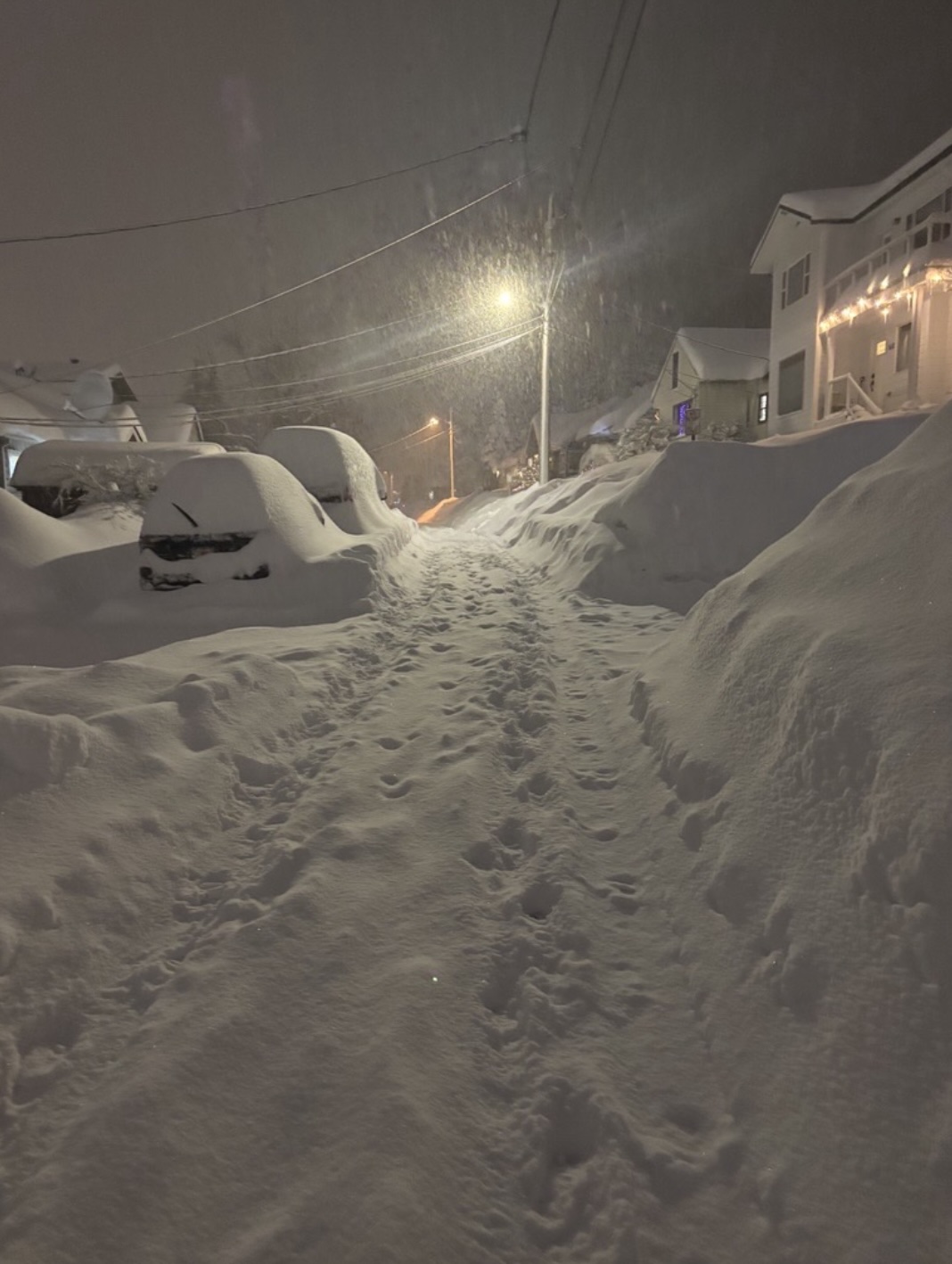
Gov. Mike Dunleavy has declared a state disaster for large parts of Southeast Alaska after weeks of relentless snow, freezing temperatures, and rain overwhelmed local governments and caused widespread damage across the region.
The declaration, first issued Jan. 6 for the City and Borough of Juneau and the City of Hoonah, has now been expanded to include the Chatham Regional Education Attendance Area, Haines Borough, and the Municipality of Skagway Borough. All of these communities are now eligible for state disaster assistance through Alaska’s Public Assistance program.
From late December through early January, Southeast Alaska was hit by one winter storm after another, producing record snowfall in many areas. Heavy snow loads collapsed roofs, clogged storm drains, and sank vessels in harbors. Roads became impassable, and avalanche danger rose sharply as snow continued to pile up on steep terrain.
In Juneau, the situation became serious enough that the City and Borough of Juneau issued evacuation advisories for areas exposed to avalanche paths and opened an emergency shelter for residents forced out of their homes. City leaders warned that continued storms and unstable snow conditions made the risk of additional slides unacceptably high.
On Jan. 6, officials from both the City and Borough of Juneau requested a state disaster declaration to help sustain emergency response operations. That same day, the City of Hoonah issued its own local disaster declaration and asked for state assistance after being buried by heavy snow it could not manage with local resources alone.
Dunleavy approved both requests immediately, triggering state recovery programs and allowing funding to begin flowing for emergency work and repairs.
The Alaska State Emergency Operations Center sent an emergency management specialist to Juneau on Jan. 8 to help coordinate state support and assess what communities need most urgently. The center also raised its activation level to 2, reflecting the elevated risk and scale of the disaster across Southeast Alaska.
State agencies have begun mobilizing additional help. The Department of Transportation and Public Facilities has sent more heavy equipment operators to assist with snow removal and avalanche forecasting. The Department of Environmental Conservation is also allowing uncontaminated snow to be dumped into the Gastineau Channel to ease the burden on Juneau’s overfilled snow disposal sites.
The state’s Public Assistance program is designed to help restore essential services and infrastructure, including roads, utilities, public buildings, and communications systems. Under the disaster declaration, local governments, tribal organizations, and certain nonprofit entities can apply for grants to be reimbursed for emergency protective actions and the cost of repairing damaged facilities.
With more winter weather in the forecast, Southeast Alaska communities remain on high alert, but the expanded disaster declaration ensures state resources and financial aid are now available to support both ongoing response efforts and the long recovery ahead.

4 thoughts on “Dunleavy expands disaster declaration as Southeast Alaska reels from record winter storms”
How much snow fell in Juneau?
I bet the kids are happy. If they aren’t happy to have that much snow, then Juneau isn’t raising their kids right.
Boomers, GenX, and GenY or Millennials would had been out every day for long hours playing in that much snow. Forts, snowman, sledding, snow ball fights, tunnels.
True that! 😜. I’m Generation Jones; look it up: It’s a thing.
Folks in Juneau are tough; they can handle this. Besides, they have the highest income level in the state and no significant tax cap. And the Left controls both chambers of the Legislature. The money will continue to flow. (Note: Photograph shows my former residence.)