

In a major win for Alaska’s resource-development sector, the Alaska Supreme Court has upheld the Department of Natural Resources’ approval of key permits for the Donlin Gold project, and, in doing so, sharply clarified the limits of Article VIII of the Alaska Constitution.
The ruling in Orutsararmiut Native Council v. Boyle affirmed DNR’s issuance of water appropriation permits and a pipeline right-of-way lease across state land, rejecting arguments that the State must analyze cumulative impacts from development taking place on private lands, including property owned by Alaska Native Corporations.
The Court said plainly: Article VIII applies to the State’s management of its own resources, not to privately owned minerals on private land.
“This decision is a major win for Alaska,” said Attorney General Stephen Cox. “The Court rightly recognized that the State’s permitting process met constitutional standards and that Article VIII does not extend to lands owned by Alaska Native Corporations or other private entities. This ruling not only affirms the integrity of DNR’s work but also protects the rights of Alaska Native Corporations and provides certainty for future development.”
At the center of the case was a legal challenge asserting that the Alaska Constitution’s requirement to make state resources “available for maximum use consistent with the public interest” obligated DNR to conduct a cumulative-impact analysis of the entire Donlin Gold project, including the portions occurring on Native corporation land.
The Supreme Court rejected that argument outright.
In its opinion, the Court reiterated that while the State must take a “hard look” at all factors relevant to the public interest when allocating state resources, that mandate “does not extend to the extraction of privately owned minerals on private land.” DNR acted correctly, the justices concluded, when it confined its analysis to the water use and pipeline authorization occurring on state territory.
The decision strengthens Alaska’s permitting framework at a time when large, multi-phase projects often face years of litigation. “This ruling confirms that Alaska’s permitting process is both rigorous and constitutionally sound,” Cox said. “It also ensures that Alaska Native Corporations retain the autonomy to manage their lands without unwarranted constraints.”
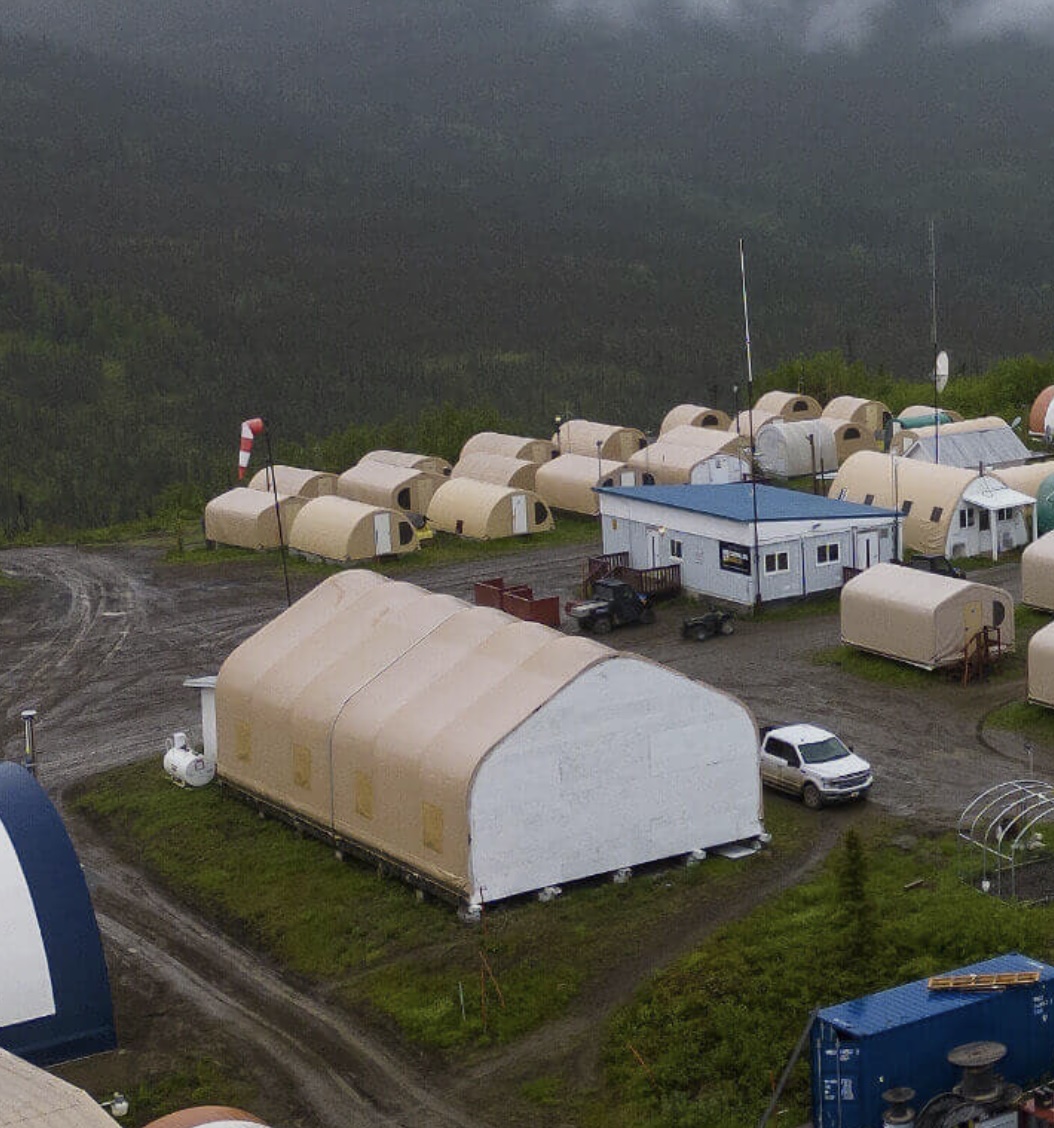
Donlin Gold, located in the middle Kuskokwim River region, is considered one of the world’s largest undeveloped gold deposits. The project is a joint venture between NOVAGOLD Resources and Paulson Advisers and is situated on lands owned by The Kuskokwim Corporation and Calista Corporation, with Calista holding the subsurface mineral rights.
Because the project involves both private and state lands, the ruling provides rare clarity amid Alaska’s often-complex land-ownership landscape. By reaffirming that the State’s constitutional obligations apply only to its own lands and waters, the decision protects the permitting stability both developers and Alaska Native Corporations rely on.
The Court’s message was unambiguous: Alaska’s regulatory framework stands, and private land rights remain firmly intact.