


By SUZANNE DOWNING
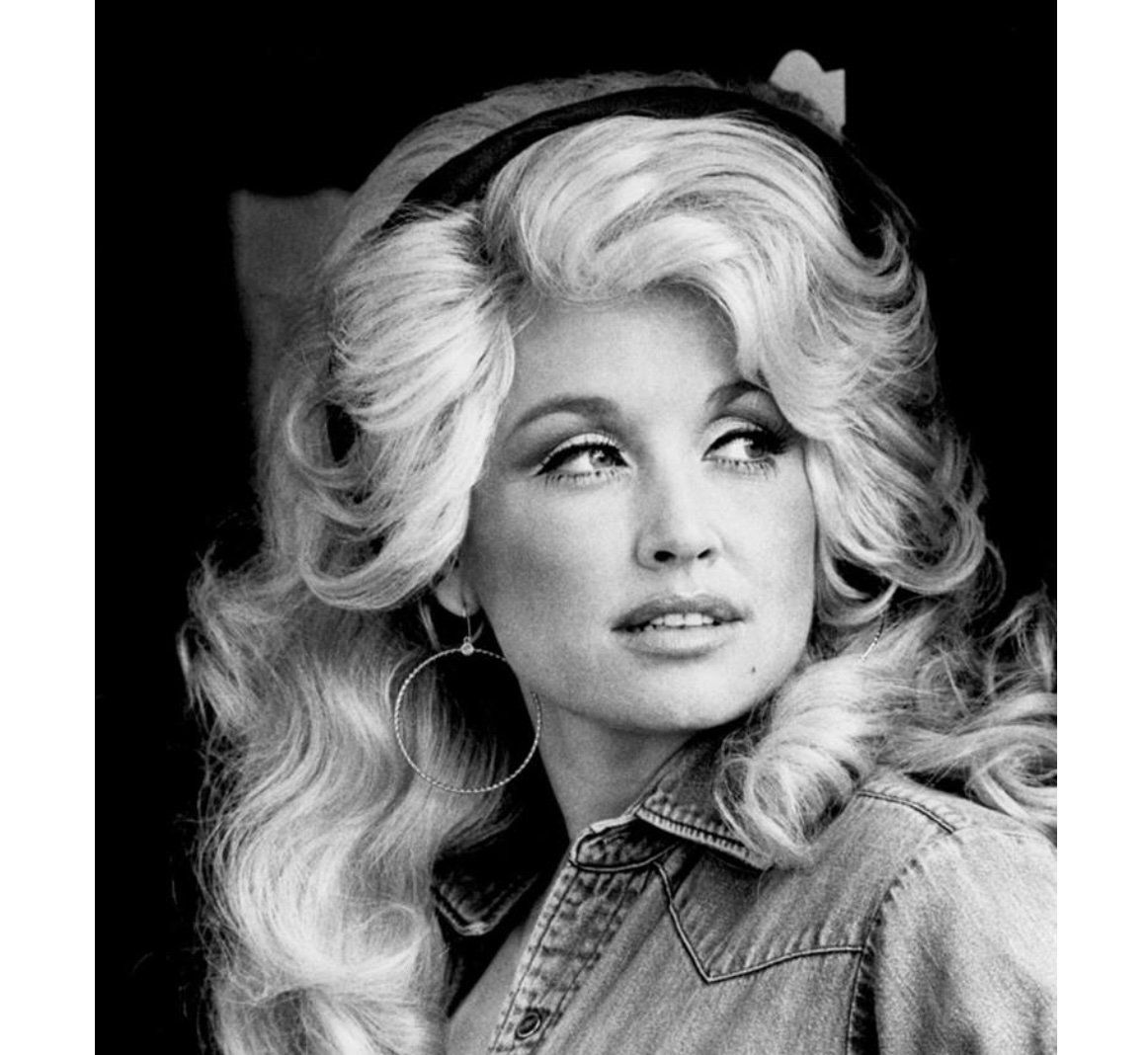
Aug. 25, 2026 – Dolly Parton died Tuesday in Nashville. She was 80.
Her family announced her death, saying she died peacefully. No cause was immediately disclosed. Her nephew, Bryan Seaver, delivered the news in a video message posted to Parton’s social media accounts.
Parton, the country music legend whose songs and unmistakable style made her famous around the world, will be remembered for classics such as “Jolene,” “Coat of Many Colors,” “9 to 5” and “I Will Always Love You,” as well as for a career that included 11 Grammy Awards, more than 100 million records sold, movie roles and the creation of the Dollywood theme park in Tennessee.
But in Alaska, one of her most consequential legacies arrived through the mail, one children’s book at a time.
Dolly Parton’s Imagination Library has placed millions of books into the hands of Alaska children, including those living in small and remote communities where bookstores and public libraries may be hundreds of miles away.
Parton founded the program in 1995, inspired by her father, Robert Lee Parton, who was illiterate. The idea was simple: Enroll children at birth and send each of them a carefully selected, age-appropriate book every month until their fifth birthday. There would be no income test and no charge to the family.
That straightforward act of private philanthropy grew into an international early-literacy network that now operates in the United States, Canada, Great Britain, Australia and Ireland.
In Alaska, the statewide effort is coordinated by Best Beginnings, a public-private partnership that provides funding, training and technical assistance to local Imagination Library affiliates. The Dollywood Foundation selects the books, negotiates lower costs and handles shipment from Tennessee. Local nonprofits and volunteers enroll children, maintain mailing lists, raise money and connect families with additional reading activities.
It is philanthropy designed around results rather than bureaucracy.
For about $30, a donor can provide an Alaska child with 12 new books over the course of a year. A $150 contribution can supply one child with a book every month from birth through age 5. The books arrive addressed to the child, making the delivery itself part of the experience.
The Alaska program began growing rapidly after taking hold in communities including Hoonah, Nome, Juneau and Fairbanks. By 2011, more than 13,000 Alaska children in over 70 communities were receiving books every month. It was enough participation to earn a personal video message from Parton congratulating Alaskans.
By 2021, Best Beginnings was supporting 30 local Imagination Libraries serving 138 communities, with more than 14,000 children receiving books each month. More recent program descriptions place its reach at upward of 15,000 children in roughly 140 Alaska communities. Anchorage has operated the state’s largest affiliate, while regional organizations have extended the program into the Mat-Su, Interior, Southeast and rural Alaska.
The Alaska results demonstrate that effective philanthropy does not always require a sprawling new government agency, a complicated application or an expensive administrative structure.
A book is selected. A child is enrolled. A donor helps cover the modest cost. The book arrives at the child’s home. A parent opens it and reads.
The effect can continue long after the package has been discarded.
A comprehensive Alaska evaluation released in 2021 found that children who participated in the Imagination Library showed promising gains in kindergarten readiness and early academic performance compared with similar children who did not participate. Participating children were more likely to demonstrate important developmental skills when entering kindergarten, including recognition of letters and symbols and an understanding of basic print concepts. The evaluation also found higher attendance in kindergarten through third grade and, in several cohorts, higher third-grade reading and math scores.
The findings were especially encouraging among Alaska Native children, English learners and students eligible for free or reduced-price meals, groups often targeted by expensive government interventions that may produce uneven results.
The measured effects were generally modest, as is common with education programs. But they were positive, recurring and achieved at an unusually low cost. Parent surveys also found that participating families tended to have more children’s books in the home, read together more frequently and reported greater enthusiasm for reading.
Parton’s philanthropy extended beyond literacy. She funded scholarships and supported disaster relief in her native Tennessee. Yet the Imagination Library may become her most enduring achievement because it was built to continue without her.
Parton came from a poor family with 12 children in rural Tennessee. She understood what it meant to grow up without material wealth, and she understood that the ability to read could change the direction of a child’s life. For thousands of Alaska children, Dolly Parton was not merely the glamorous singer with the towering blond hair and rhinestone costumes. She was the person whose name appeared on the book that arrived in their mailbox every month.
Fans wishing to honor Parton’s memory can learn about enrollment, volunteering or donations through Best Beginnings Alaska.
11 thoughts on “Dolly Parton dies at 80, leaving a literacy legacy that reached thousands of Alaska children”
Most of the books sent out are woke garbage. Dolly sold out to the gay and transvestite community. Quite the legacy.
A long life, well lived. Godspeed, Madam.
Question for TIm Smith: Do you have a curated list of the books Best Beginnings handled? Begging that question, how does that override all the other positive stuff she did in her later years? Methinks you are demanding perfection outweigh simple wins and good enough.
Probably not a positive family to relive yourself on the grave of one of Our Side for not being perfect while it is still warm. How perfect are you? Cheers –
My firstborn was on it and we cancelled after 3 or 4 books arrived and after review went straight into the trash. Now did she know what was being sent out… maybe not.
It was probably all the left over unsold “WOKE” books that people didn’t want their children to have..AND knowing Dolly Pardon, she probably never knew what they gave out..She would have changed it if she was able to..She wouldn’t have stood for that..
Damned shame. Think you are right that she didn’t know what was being sent out. Failed by her own people. Thanks for the additional information and continuing education. Cheers-
I’ll always remember Dolly for her Pfizer shilling and her $1M donation to Vanderbilt/Moderna. She loved her vaxes, bless her big Tennessee heart. And all the other hearts the Vax damaged. And, She was always trying to regulate my 2A rights, while claiming She wasn’t into politics.
Well. Hopefully through her chronic pain in her last days, she fully set her eyes on the Lord Jesus that her mama, daddy followed and couldn’t had raised dolly to grow up into the success she found without her parents following Christ.
Chronic pain isn’t desirable to go through, but it does have its way putting the foolish things, thoughts, opinions we treasured in this world aside and seeing the Cross in a new light
Dolly accumulated a lot of treasures and can imagine they can be pretty distracting until pain makes them look insignificant and useless compared to her parents LORD Jesus
Dolly Parton wrote “Jolene” and “I Will Always Love You” in the same night. And all of you meatheads are hating on her. Who the hell raised you animals?
If Dolly looked as amazing as she did when she wrote the song (1973), imagine what Jolene must have looked like!
Ivanka Trump, a world class GRIFTER and liar shared a line from Parton that had influenced her: “I don’t criticize and condemn; I love and accept.” Can you imagine ANY person with integrity trying to shove that hypocrisy in your face? The whole Trump miasma is a cancer and poison. (And BTW, SULLIVAN = TRUMP)
These comments are disgusting, what a bunch of low-life losers