By SUZANNE DOWNING
Alaska saw a modest but notable decline in fatal drug overdoses in 2024, according to newly released data from the Alaska Health Analytics and Vital Records Section and the Office of Substance Misuse and Addiction Prevention.
The state recorded 339 fatal drug overdoses in 2024, down from 357 deaths in 2023. The age-adjusted overdose death rate fell to 45.6 deaths per 100,000 residents, compared with 49.3 the year before. While Alaska’s overdose rate remains among the highest in the nation, the latest figures mark a second consecutive year without growth after several years of sharp increases.
Alaska had the highest increase of drug overdose deaths in the nation in 2021, according to the Centers for Disease Control and Prevention.
Health officials caution that the improvement is incremental rather than transformative. Drug overdoses remain a major contributor to premature mortality in Alaska, particularly among working-age adults and in urban areas.
Men continued to account for the majority of overdose deaths in 2024, with an age-adjusted rate of 58.4 deaths per 100,000. Rates were highest among people ages 35 to 44, at 90.6 deaths per 100,000, reflecting the continued toll of substance misuse on Alaskans in their prime working years.
American Indian and Alaska Native people experienced the highest overdose mortality rate of any demographic group, at 101.9 deaths per 100,000. That is more than double the statewide average. Regionally, the Anchorage area recorded the highest rate, at 74 deaths per 100,000.
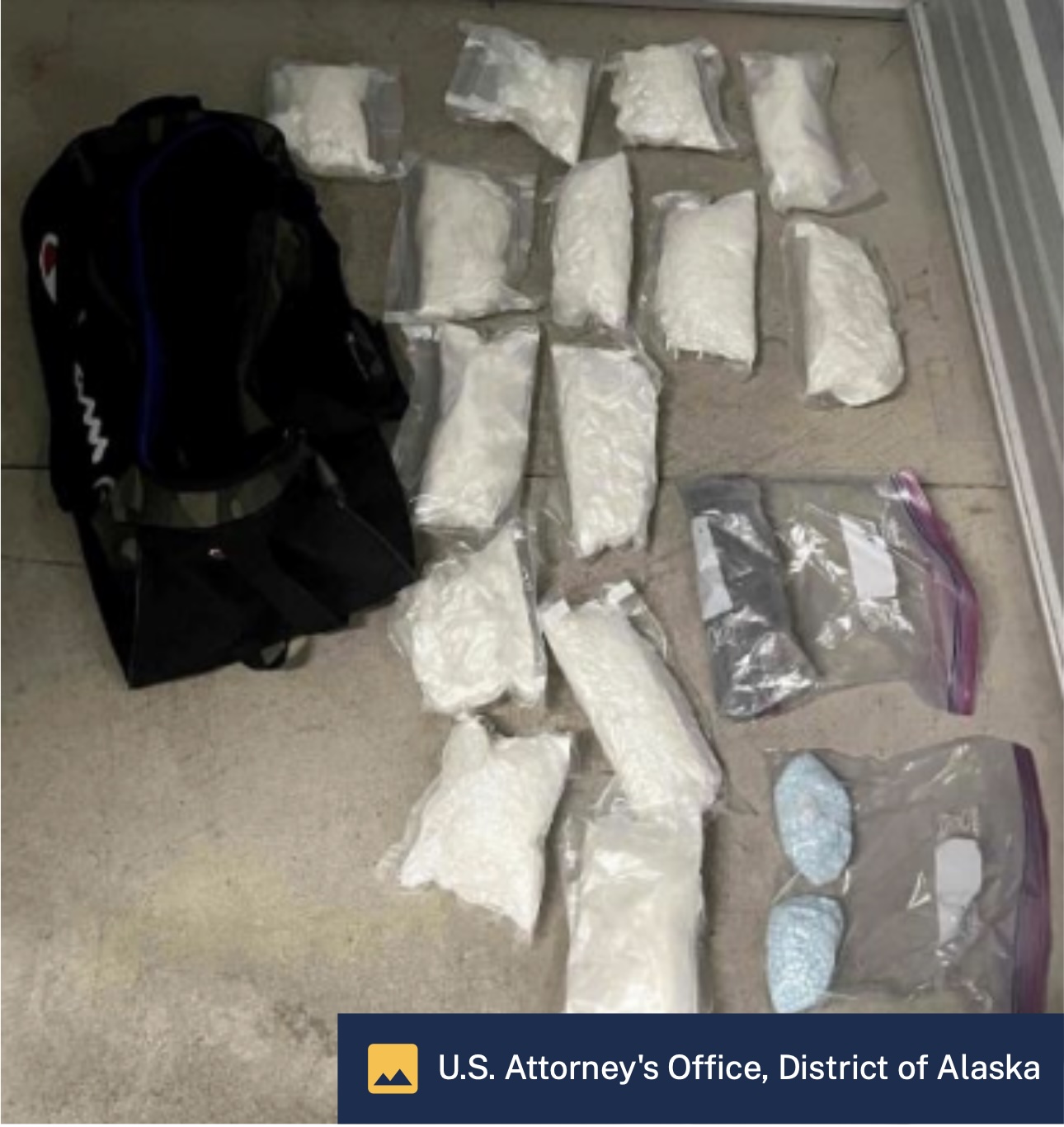
Synthetic opioids remained the dominant driver of overdose deaths. Fentanyl and other synthetic narcotics were involved in more than three-quarters of all fatal overdoses in 2024. Stimulants, including methamphetamine, were involved in nearly 60% of deaths. According to the report, 7% of overdose deaths involved multiple drugs used in combination.
State health agencies point to expanded access to naloxone, increased public awareness of overdose response, and prevention efforts as potential contributors to the decline, though the report does not attribute causation.
Naloxone can reverse opioid overdoses when administered quickly and is widely distributed across Alaska through community programs and health providers.
Despite the year-over-year improvement, overdose mortality remains a persistent public health crisis. Alaska’s overdose death rate continues to far exceed historical norms from a decade ago, reflecting long-term trends tied to opioids, methamphetamine, and broader behavioral health challenges.
The full 2024 Drug Overdose Mortality Update is available through the state’s Health Analytics and Vital Records Section.