By SUZANNE DOWNING
With just weeks to go before the opening ceremonies of the 2026 Arctic Winter Games, organizers in Whitehorse have scrambled to reorganize after Yukon University abruptly withdrew from its role as a central Games hub, amid looming labour uncertainty.
The Arctic Winter Games Host Society has now completed a full relocation plan for key operations and athlete services after the university announced on Feb. 2 that it would no longer provide facilities, food, or support functions tied to the international sporting event.
University officials cited uncertainty surrounding ongoing negotiations with the Yukon Employees Union, which represents more than 400 workers. A strike could begin as early as March 2, only days before thousands of athletes and delegates are expected to arrive for the Games, scheduled for March 8–15.
The university’s withdrawal meant the sudden loss of several major components of Games infrastructure, including the cancellation of food service contracts for athletes and participants and the revocation of campus space previously designated for the Games’ operations centre, mission offices, transportation hub, polyclinic medical station, and badminton venue.
Organizers described the decision as mutual, aimed at preventing the risk of a labour disruption derailing the high-profile event.
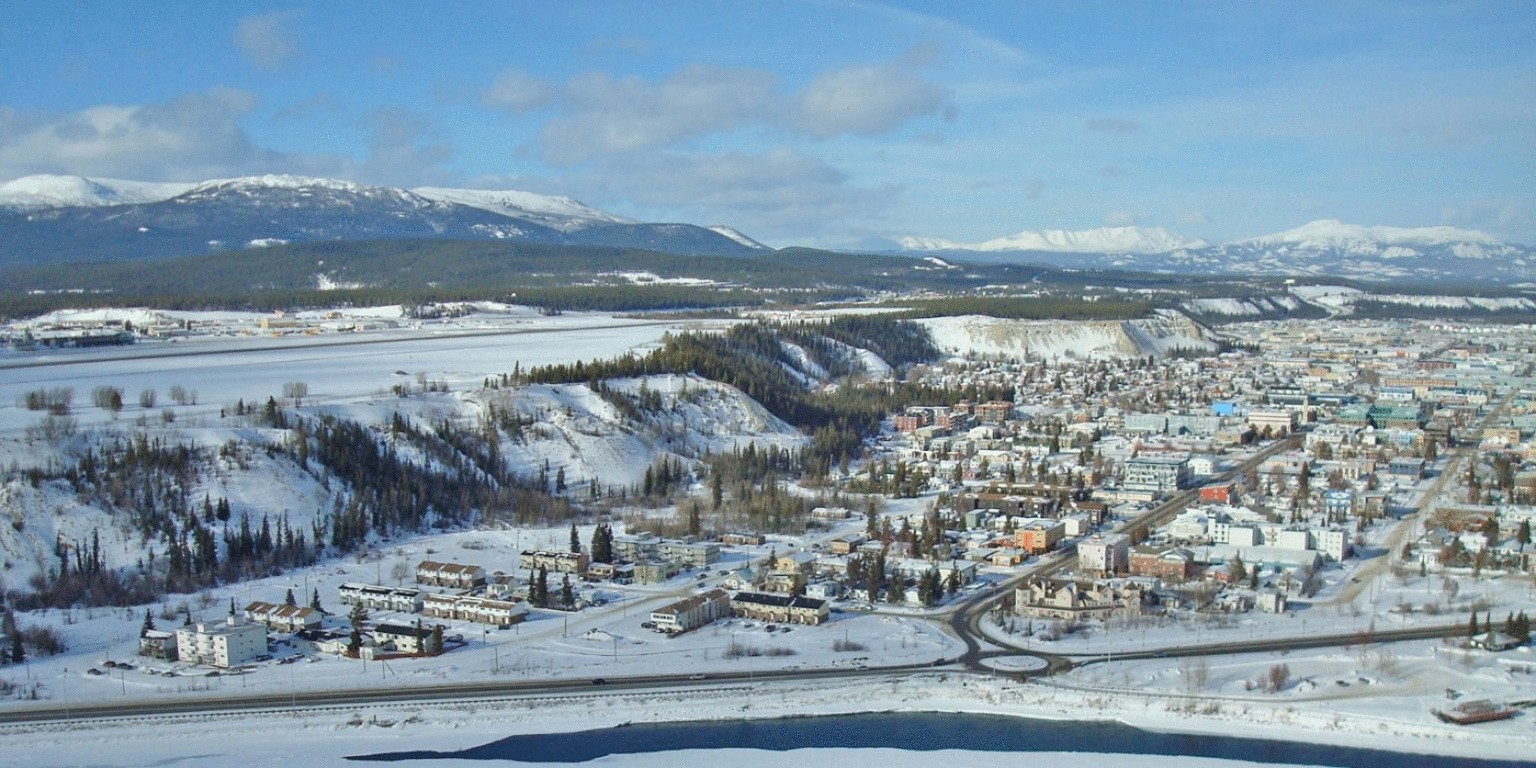
In response, the Host Society activated contingency plans and relocated essential functions across the community, a challenge in Whitehorse, a remote city of roughly 30,000 with limited venue options.
Feeding the estimated 2,000 athletes now requires a redesigned approach. Breakfast service will be distributed across seven local schools, whose kitchens have been opened to support Games operations.
Venue changes have also been finalized. Wrestling will move to the Yukon Gymnastics Centre, while badminton will shift to the Canada Games Centre. Host Society officials said the arrangement avoids splitting badminton across multiple unsuitable gyms and makes better use of available space.
The relocation effort is expected to add up to $200,000 in unplanned costs, including snow removal, equipment rentals, wood purchases, and additional supplies. It’s a big lift for the host committee.
Despite the disruption, organizers insist the Games remain on track. The full sports schedule and venue list have been released, and all events — including opening and closing ceremonies — will be free for the public to attend. The Host Society has also announced that most competitions will be available through free livestreams.
The Host Society will then dissolve about six months after the Games conclude and remaining assets, including roughly 2,000 camping cots and other equipment, will be sold in a community sale several weeks after schools are decommissioned.
The Arctic Winter Games are a major circumpolar sporting and cultural event, bringing together athletes from across the North for competition, social exchange, and cultural celebration. The last Games were held in 2024 in Alaska’s Matanuska Valley.
Whitehorse will host the 2026 edition as the event transitions away from its traditional biennial cycle. The Arctic Winter Games International Committee approved a move to a three-year schedule in December, following the Northwest Territories’ withdrawal from hosting in 2028. Under the new timeline, the next Games will be held in 2029, though no host jurisdiction has yet been announced.
For now, organizers in Yukon say the March Games will proceed — even if they must do so without the university campus that was once expected to anchor the event.