


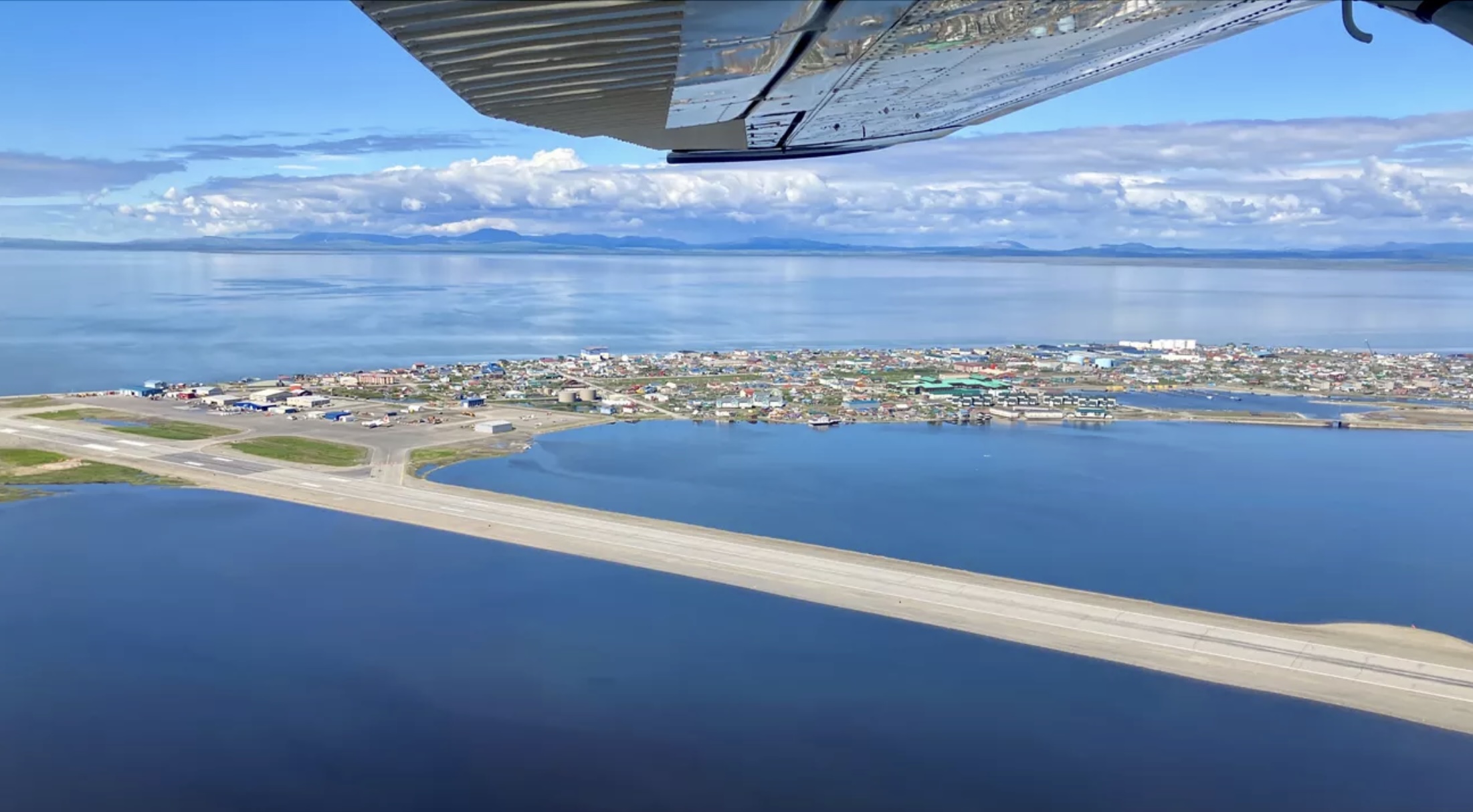
In the winter of 2005-2006, as rural Alaskans struggled under crushing heating oil prices, help arrived from a most unlikely and ideologically hostile source: Venezuela, then governed by self-described socialist strongman and dictator Hugo Chávez.
Chavez, capturing the moment to embarrass the United States, sent free heating oil to some of the coldest, most remote communities in the United States, many in Alaska and in tribal areas in the Lower 48.
At the time, heating fuel in rural Alaska was nearing $10 a gallon. In villages without road access, with limited cash economies and long winters, families were making choices between heat, food, and other necessities. Reports circulated of fuel theft between neighbors.
Into that crisis stepped CITGO, Venezuela’s state-owned oil company, offering 100 gallons of free heating oil per household to thousands of Alaskans. The program was not limited to Alaska, but extended to poor communities across the country. But Alaska became one of its most visible beneficiaries because of the extreme conditions and the stark contrast it presented. It also happened just as the governor of Alaska, Sarah Palin, was stepping onto the national stage as a standard-bearer for the Tea Party movement, and became the nominee for vice president.
Chávez had launched the initiative as a rebuke of American energy policy and the free-market system. Just two years earlier, he had stood at the United Nations podium and mocked President George W. Bush, calling him “the devil.”
The heating oil program was humanitarian on the surface, but political underneath, it was a socialist petro-state using America’s own energy pain to score ideological points.
Read: As Anchorage Democrat warns of president ‘coddling’ drug traffickers, Trump captures Venezuela’s Maduro
By 2008–2009, CITGO had donated millions of gallons of oil nationwide, benefiting roughly 200,000 households in 23 states at a cost estimated around $100 million in a single year. In Alaska alone, thousands of households, mostly in Alaska Native villages, received fuel. More than 150 villages participated, with local coordination handled by tribal and regional Native groups such as the Alaska Inter-Tribal Council and the Association of Village Council Presidents.
Villages including Ambler, Gambell, Kiana, Kotzebue, and Noatak accepted the oil.
Not everyone played along. Several villages in the Aleutian and Pribilof Islands, including Atka, Nelson Lagoon, St. George, and initially St. Paul, rejected the oil outright. Represented by the Aleutian Pribilof Islands Association, these communities declined assistance for patriotic and political reasons, unwilling to accept aid from a foreign leader openly hostile to the United States, even at personal cost. After all, Chavez had called President Bush “the devil.”
The debate that followed cut to the core of Alaska’s political culture. Was the oil an act of charity, or a propaganda campaign? Supporters noted that CITGO operated in the US and paid US taxes. Critics argued that accepting the oil validated Chávez’s narrative that free markets fail the poor and that socialism must step in to rescue them.
In reality, Chávez’s Venezuela was no model of economic success. His so-called “21st-century socialism” relied almost entirely on oil revenues while nationalizing industries, undermining private enterprise, and concentrating power in the presidency.
While he won elections, Chávez steadily dismantled institutional checks, curtailed media freedom, and removed term limits, governing as an authoritarian.
The heating oil shipments to Alaska were possible only because Venezuela still had money then. Within a few years, Chávez’s policies that were continued under his successors would help drive Venezuela into economic collapse, hyperinflation, and mass outmigration. By the mid-2010s, sanctions and Venezuela’s imploding oil sector ended the program entirely.
Looking back, Venezuela’s heating oil in Alaska was really about optics. The oil from the petro-regime kept Toyo heating stoves running for a season, and became a reminder that foreign communist and socialist ideologues are eager to exploit the weaknesses of a free market system.

Lunatic Left ignores history when they accuse Trump of illegally capturing Maduro
2 thoughts on “Alaska’s curious history with Venezuela and the rural village oil relief program”
We lived in Nome during that time. I don’t remember heating oil shipments beyond the 2 entities that provided fuel in Nome. What I remember is a 500 dollar credit we could buy fuel with. I think it was only available to those who bought heating oil.
And let’s not forget the 2008 PFD when Sarah added in the $1200 energy dividend. That rather much trumps what Hugo did. Those were difficult years for folks burning HHO. My mom spent almost $5000 to heat her 1,350 sf home in FAI. Ouch!