


By THE ALASKA STORY
Sept. 4, 2026 – Alaska North Slope oil production has climbed above 500,000 barrels a day, an encouraging sign for a state budget that remains heavily dependent on petroleum taxes and royalties.
The Alaska Department of Revenue reported North Slope production of 510,389 barrels on Sept. 2. Alaska North Slope crude sold for $93.60 a barrel that day, up 31 cents, according to the department’s daily oil price and production report.
At that price, one day’s North Slope production had a gross market value of nearly $47.8 million before transportation costs, production expenses, taxes and royalty obligations.
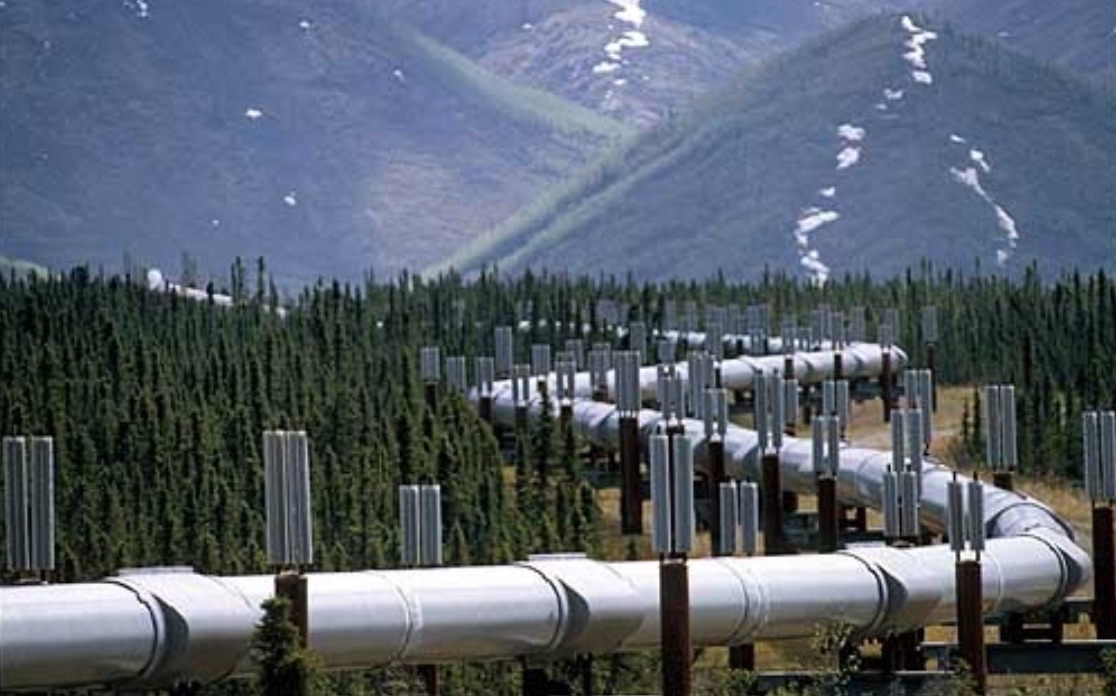
The 510,389-barrel figure is a daily measurement, which goes up and down with variables such as season, maintenance, and schedules, but it is still notable. Using Trans Alaska Pipeline System throughput as the standard public proxy for North Slope production, Alaska has not recorded a monthly average above 500,000 barrels per day since February 2022.
TAPS averaged 501,981 barrels per day that month, after averaging 500,697 barrels per day in January 2022. Annual pipeline throughput first fell below 500,000 barrels per day in 2019 and remained under that threshold through 2025.
But this time, the increase comes as new oil is entering the system.
The biggest new contributor is the Pikka project operated by Santos, with Repsol as its partner. Pikka began producing oil in May and was producing approximately 23,000 barrels per day by August. Santos expects Phase 1 to ramp up toward plateau production of approximately 80,000 barrels per day.
Santos loaded the first cargo containing Pikka crude at the Valdez Marine Terminal in August, providing visible evidence that the long-awaited project had moved from construction into commercial production.
Pikka is joined by production from other recent developments and expansions, including ConocoPhillips’ Nuna and Coyote projects and continued drilling in established fields. Together, those projects are beginning to offset at least some of the natural decline from Alaska’s older oil fields.
The state’s Spring 2026 Revenue Forecast anticipated the turnaround. The Department of Revenue projected North Slope production would average 518,500 barrels per day during fiscal year 2027, which began in July, up from a forecast average of 459,200 barrels per day in fiscal year 2026.
The forecast calls for North Slope production to exceed 600,000 barrels per day by fiscal year 2032, helped by Pikka, continued development in existing fields and the expected startup of ConocoPhillips’ Willow project in fiscal year 2029. Production is forecast to exceed 650,000 barrels per day by fiscal year 2034.
The combination of more barrels and higher prices is favorable for Alaska. Petroleum revenue reaches the state through production taxes, corporate income taxes, property taxes and royalties, although the relationship between the daily market price and state revenue is not dollar-for-dollar. Transportation costs, deductible spending, field ownership and royalty terms all affect the final return.
The spring forecast assumed an average ANS price of $75 per barrel for fiscal year 2027. At that price, the department projected total unrestricted general fund revenue of about $6.73 billion, including the annual Permanent Fund draw.
If ANS crude were to average $95 per barrel for the entire fiscal year, the department’s sensitivity analysis estimates unrestricted revenue at approximately $7.7 billion, nearly $1 billion above the official forecast. That calculation holds most other variables constant, and actual revenue would depend on production, costs and oil-company spending.



2 thoughts on “Alaska North Slope oil production tops 500,000 barrels a day as Pikka ramps up”
TAPS is rated for 2 million barrels/day. Let’s get this pipe filled up to capacity. And it won’t be with Mary Peltola in the Senate. Dan Sullivan!!!
But but but its all about the fish family and CAKE!!!
You must have missed her concert appearance at the “nonpartisan” Alaska State Fair stage performance.