By SUZANNE DOWNING
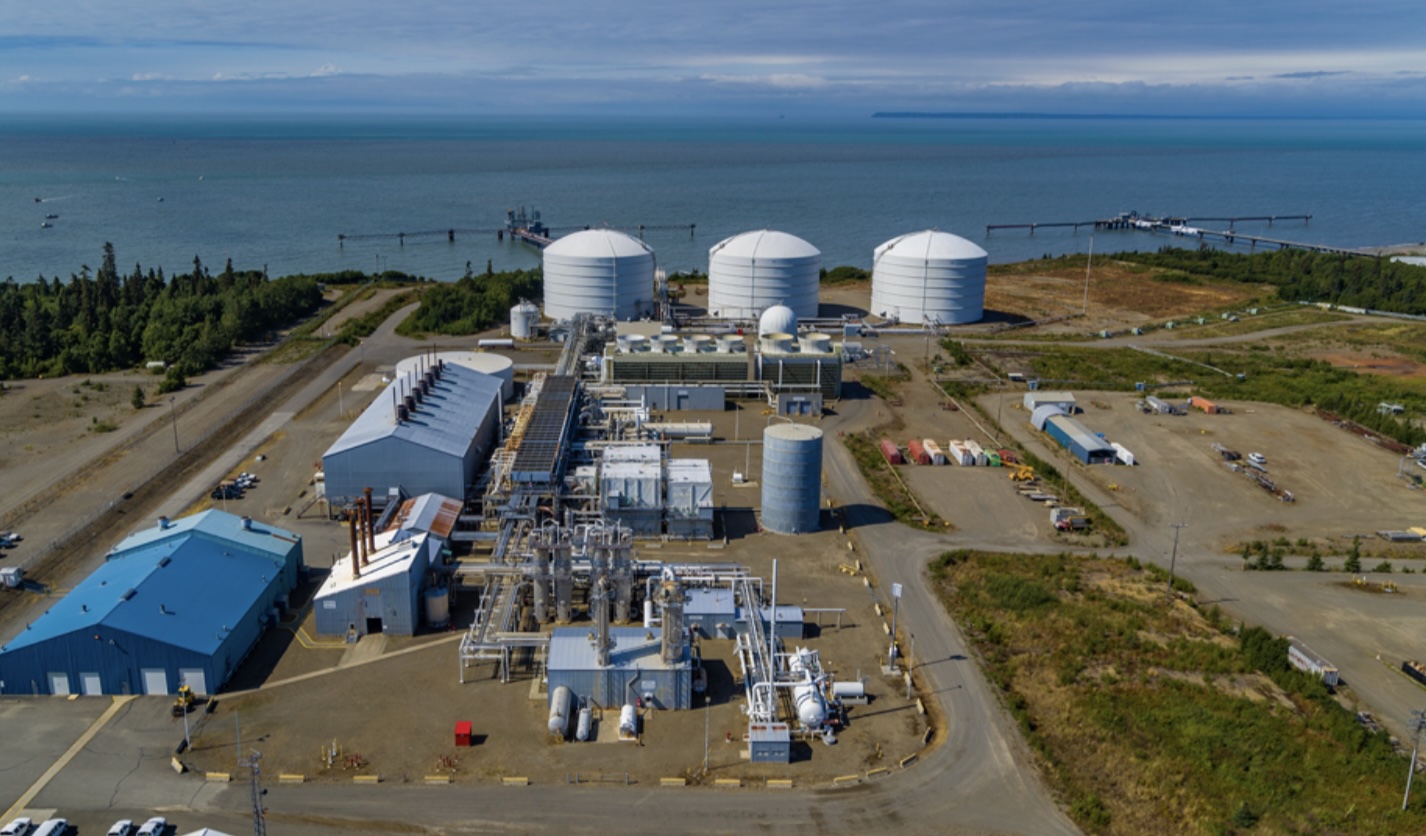
In 2025, the most consequential natural gas development news in Alaska centered on renewed momentum for the Alaska LNG Project, a roughly $44 billion proposal to commercialize North Slope gas through an 807-mile pipeline to Southcentral Alaska and a liquefaction and export terminal in Nikiski, with off-takes for in-state use along the route.
The year saw a shift from the years of state-led planning to a private-sector-driven model. After all, the state was getting nowhere.
In March, New York–based Glenfarne Energy Transition acquired a 75% ownership stake and assumed the role of lead developer, while the state-owned Alaska Gasline Development Corporation retained 25%. The move was widely seen as a turning point, transferring financial risk and project execution to private hands while preserving a state role.
Permitting also reached a milestone late in the year. Federal approvals were completed on December 10–11, including final actions from NOAA, clearing the last major regulatory hurdles. Earlier in 2025, the project had been reactivated under the FAST-41 process to streamline updated federal reviews, accelerating timelines that had stalled in previous years.
On the commercial side, project sponsors reported progress toward preliminary offtake agreements with Asian buyers, including Tokyo Gas, POSCO International, and JERA. In November, Baker Hughes committed to supply key turbines and equipment, strengthening the project’s technical and financing profile. Front-end engineering and design (FEED) work advanced through the year, with completion targeted for December.
Politically, Alaska LNG enjoyed aligned support at both the state and federal levels. Gov. Mike Dunleavy continued to champion the project and, in December, proposed a reduced property tax rate of two mills to improve project economics. At the federal level, the Trump administration prioritized Alaska LNG through executive action, framing it as both an energy-security and export-competitiveness initiative.
Attention had turned to the next major inflection point: a final investment decision for the pipeline segment, expected in early 2026. If approved, construction could begin as early as 2026, with first in-state gas deliveries projected around mid-2029 and LNG exports following around 2031.
While no physical construction is underway at the close of 2025, the combination of private leadership, completed federal permits, advancing commercial agreements, and sustained political backing marked the strongest progress the Alaska LNG project has seen in years, positioning it as a potential game-changer for North Slope gas commercialization, long-term energy costs for Alaskans, and Alaska’s role in supplying LNG to Asian markets.