


By THE ALASKA STORY
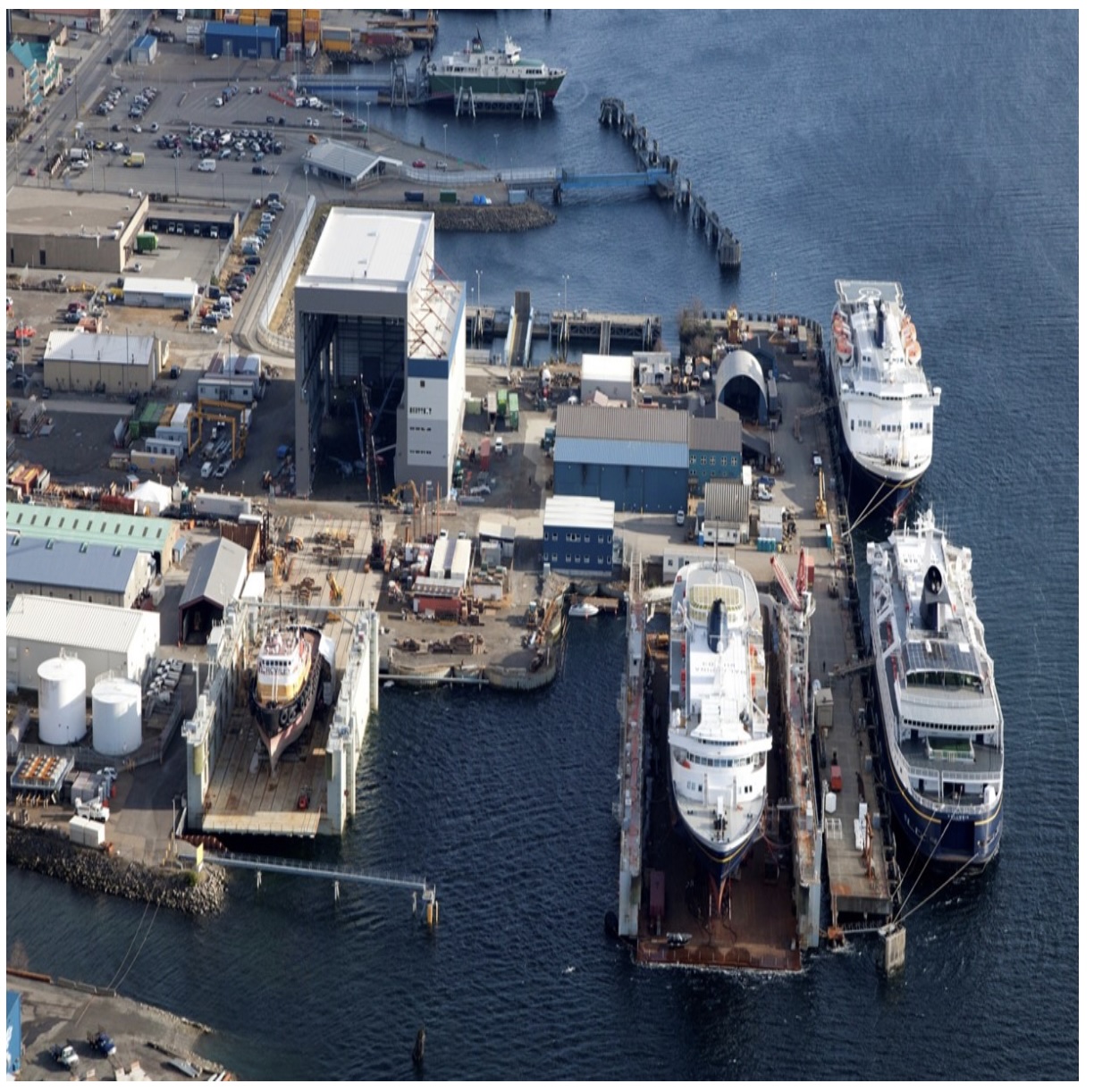
April 18, 2026 – The board of the Alaska Industrial Development and Export Authority gathered in Ketchikan earlier this month, using the First City to spotlight the growing role of the Ketchikan Shipyard in Southeast Alaska’s economy and to explore opportunities for expansion alongside federal, state, and industry leaders.
The meeting brought together AIDEA leadership, local officials, and maritime workers and others, including representatives from the Ketchikan Indian Community and private-sector partners involved in shipyard operations. Tim Jagielski, co-founder of JAG Marine Group, pointed to recent gains at the facility, crediting collaboration with AIDEA for helping drive a 300% increase in jobs and a steady push to maximize the yard’s workload.
While in Ketchikan, AIDEA officials and board members also met with US Sen. Dan Sullivan and US Maritime Administrator Stephen Carmel to discuss the future of the shipyard, which is owned by AIDEA and operated by JAG Alaska Inc. The discussions focused on expanding capacity and positioning the yard to handle increased demand tied to federal and commercial maritime activity.
Sullivan said the visit highlighted a growing opportunity for shipbuilding and maintenance in Alaska, driven in part by ongoing and planned investment in U.S. Coast Guard and NOAA vessels operating in the region. He emphasized that strengthening Alaska’s maritime industrial base could support long-term job creation and economic stability, particularly in Southeast communities like Ketchikan.
Last month, Department of Transportation Secretary Sean P. Duffy announced that the Maritime Administration will invest $35 million into revitalizing America’s small shipyards. The investment will go toward upgrading ship repair and construction facilities, purchasing new equipment, including cranes, plasma cutters, and welding systems, and bolstering maritime training programs to supercharge the maritime workforce.
AIDEA Board Chairman Bill Kendig called the shipyard a critical asset and stressed the importance of continued coordination among public and private partners, with a goal of ensuring responsible stewardship of the facility while advancing projects that expand its capabilities and workforce.
Attendees toured the Ketchikan Shipyard to review current operations and evaluate how infrastructure upgrades, workforce development, and project readiness could position the facility for additional contracts.
The Ketchikan Shipyard already plays a key role in servicing the Alaska Marine Highway System, commercial fishing fleets, and federal vessels, with work lined up through 2026 and 2027 reflecting increasing demand.



One thought on “AIDEA board meets in Ketchikan, reviews shipyard potential”
AIDEA? Count the silver ware.