By SUZANNE DOWNING
June 16, 2026 – A bill introduced in the US Senate could tighten restrictions on Chinese and Russian vessels seeking to conduct so-called scientific research in waters off Alaska, amid concerns that foreign adversaries are using research missions as cover for espionage.
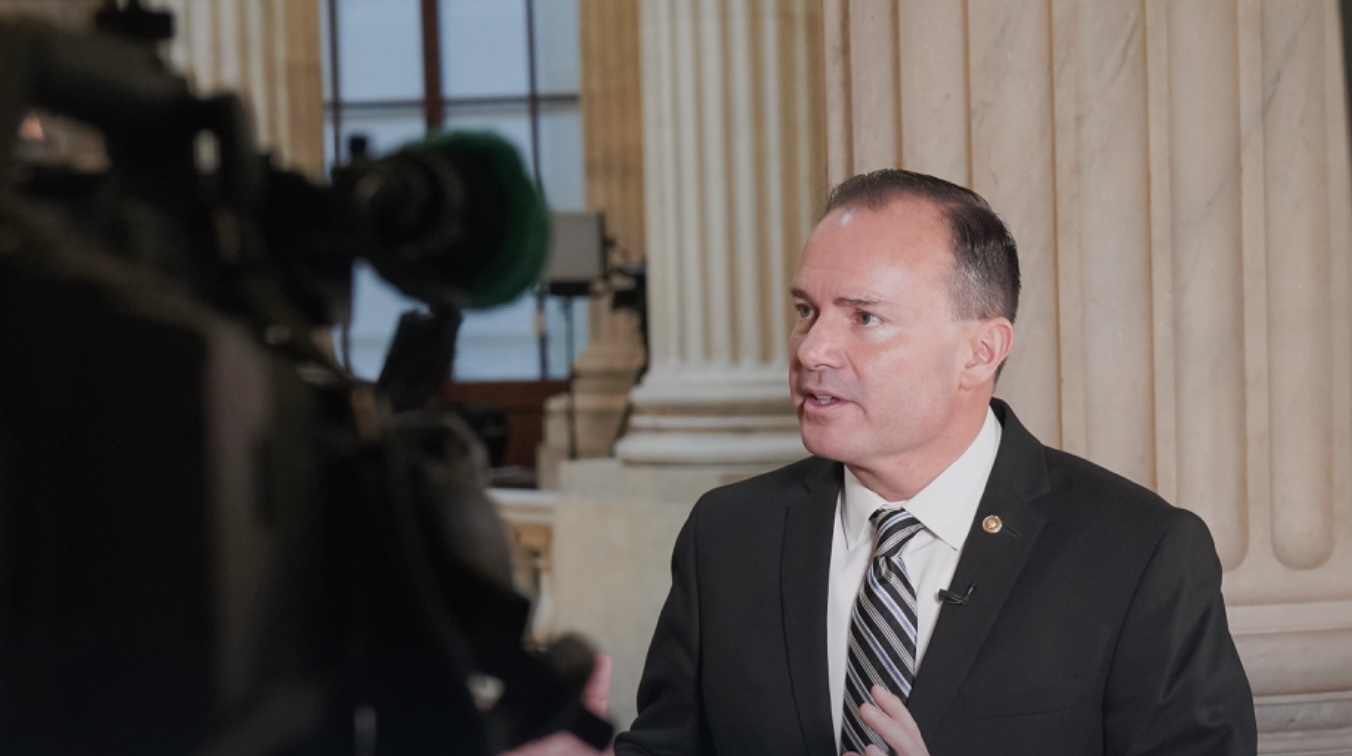
Sen. Mike Lee of Utah, a Republican, introduced the Arctic Security and Diplomacy Act last week. Democratic Sen. Jeanne Shaheen of New Hampshire joined as a cosponsor; the legislation has been referred to the Senate Foreign Relations Committee, where Shaheen is a ranking member. The committee is chaired by Idaho Sen. Jim Risch.
The bill would codify a Trump-era policy requiring foreign governments to obtain approval from the State Department before conducting marine scientific research within America’s Exclusive Economic Zone, which extends roughly 200 nautical miles from the nation’s coastline.
For Alaska, that zone encompasses vast stretches of the Arctic Ocean, Bering Sea, Chukchi Sea, Beaufort Sea, and waters surrounding the Aleutian Islands.
Lee’s legislation is intended to address growing concerns about Chinese and Russian vessels operating near US territory under the banner of scientific research.
“So-called research projects by China and Russia are moving farther into US waters,” Lee said in announcing the legislation. “This bill shuts the door to foreign adversary spy missions in the Arctic, protecting American authority over our shores — from the Aleutians to the Beaufort Sea.”
The legislation would prohibit vessels owned, controlled, or reasonably suspected of affiliation with adversarial nations such as China or Russia from conducting marine scientific research in US waters. Even if a request is submitted, those vessels would be denied authorization.
In addition, the bill directs the Secretary of State, working with the Department of Defense and intelligence agencies, to develop a strategy for countering foreign espionage and influence operations in the Arctic.
Federal agencies would also be required to share maritime research information with the State Department, and regular reports would be submitted to Congress detailing threats posed by foreign research activities.
The legislation comes as military and intelligence officials increasingly warn that the Arctic has become a strategic competition zone between the United States, Russia, and China.
Russia maintains an extensive military presence across its Arctic coastline and has dramatically expanded Arctic infrastructure over the past decade. China, despite having no Arctic coastline, has sought a larger role in the region through its “Polar Silk Road” initiative and growing cooperation with Moscow.
Congressional supporters point to reports of increasing Chinese maritime activity in Arctic waters. A Department of Homeland Security assessment in 2025 warned of unprecedented Chinese vessel operations near U.S. Arctic territory, raising concerns about intelligence gathering and surveillance.
For Alaska, the issue is more than theoretical, as the state’s Arctic coastline stretches more than 1,000 miles and sits at the crossroads of growing commercial shipping routes, military operations, energy development, and international competition for access to Arctic resources.
The legislation reflects a broader shift in Washington toward treating Arctic security as a front-line national defense issue.
The Arctic Security and Diplomacy Act remains in the early stages of the legislative process and must clear committee review before receiving consideration by the full Senate.