

By MIKE CHENAULT, JOHN COGHILL, JR., AND JAY RAMRAS
June 14, 2026 – During a recent hearing before the Senate Finance Committee, testimony confirmed what many of us who worked in the legislature recognized for decades: the property tax framework we apply to resource development in this state was written in 1973. For oil. When the trans-Alaska pipeline was four years away and the modern natural gas industry was more than four decades into the future.
Fifty years later, some legislators act surprised that the numbers don’t work for Alaska LNG – or any other North Slope natural gas project we’ve tried in the past.
Let us be direct: this is not a debate about concessions. When critics frame updated tax treatment for Alaska LNG as “giving something away,” they misstate what the legislature is doing. The legislation under conisderation recognizes, finally, that natural gas development is a fundamentally different enterprise than oil production — in its capital structure, its infrastructure timeline, its market dynamics, and its risk profile — and to succeed it deserves a framework designed specifically for what it is.
Oil and gas are not the same industry wearing different clothes.
Oil flows through a pipeline and lands on a global spot market. Its value is realized relatively quickly after production begins. The capital recovery curve, while substantial, is one that investors and lenders have understood and financed for generations. The original 1973 property tax structure was calibrated for that world.
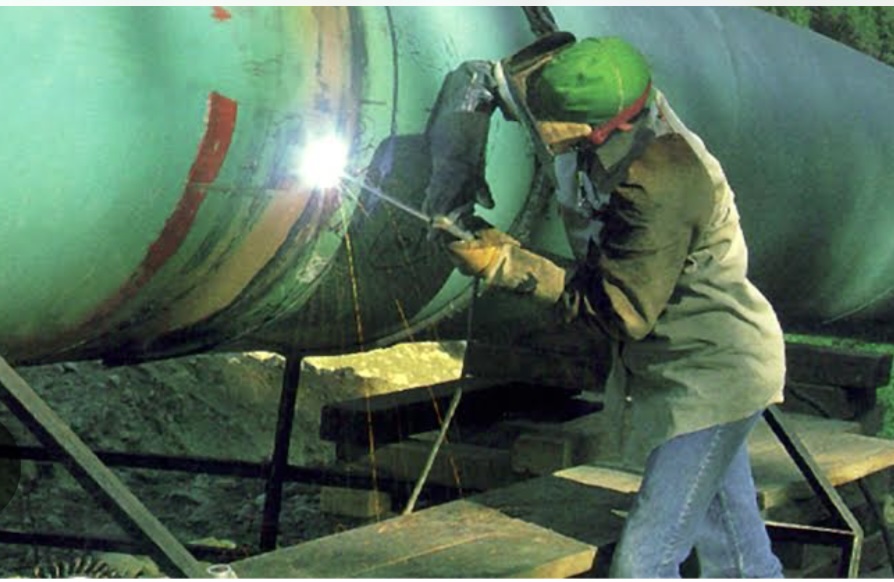
The economics and timeline of natural gas are fundamentally different. Upfront capital requirements are staggering. The period between investment and revenue can stretch out much longer than oil. To apply a property tax structure designed around oil’s economics to that kind of project is not good policy — it is a sledgehammer on the scale against development.
Look at what our competitors have done.
Texas and Louisiana are not states known for surrendering revenue. They are not naive about resource development, and they are not in the habit of leaving money on the table. And yet both states have designed property tax environments specifically – and successfully – to attract the natural gas and LNG industries. Critically, even when those abatements expire and the full property tax kicks in, the effective rate is significantly lower than what Alaska currently imposes.
They did not do this by accident, and they did not do it out of generosity. They understood that a lower tax rate applied to a thriving industry generates more revenue, more jobs, and more long-term economic activity than a higher rate applied to a project that never gets built.
What’s more, 100% of the energy from projects in Texas and Louisiana goes to export markets. Alaska LNG is different. That 800-mile pipeline? That will deliver natural gas to Alaskans up and down the state map. A tax on this project is a tax on Alaskans. Bigger tax bills mean bigger energy bills for our families, our schools, our small businesses, and our military bases.
Does Alaska want low-cost energy and new tax revenue or more of nothing? That is the calculation Alaska must now be willing to make.
The status quo is not neutral — it is a choice.
Every year we decline to design a competitive tax framework for natural gas is a year we are, in effect, saying no to development. The industry will not wait indefinitely. Capital is mobile. The LNG market is competitive. Other jurisdictions are not standing still.
We won’t silently watch Alaska miss one more transformational natural gas economic opportunity. Seventy-five percent of Alaskans support this project. Protecting dusty statutes and protecting the public interest are not the same thing.
Discussions in the legislature have already yielded important progress, particularly around the commitment to develop a spur line to Fairbanks and added consumer protections from cost overruns.
What the legislature should be asking now is not “how much are we giving up?” but rather “what do we need to build to make this long-awaited project viable?”
That is the right question. The answer, we believe, points clearly toward a purpose-built property tax structure for natural gas — one that reflects the industry’s actual economics, competes credibly, and positions Alaska to capture a share of global LNG demand before that window closes.
We built our oil tax system for oil. It is past time to build a gas tax system for gas.
The authors are former members of the Alaska Legislature. Mike Chenault represented the Kenai Peninsula and served as Speaker of the House. John Coghill, Jr. represented the Fairbanks region and served as Senate Majority Leader. Jay Ramas represented the Fairbanks region and served as Chair of the House Judiciary Committee and Co-chair of the House Resources Committee.
Unions throw weight behind gasline agreement, urge Senate to pass bill
Historic vote: House sends Alaska LNG tax reform bill to Senate
Robert Seitz: More response to commenters and those still unsure about Alaska gasline


3 thoughts on “Commentary: Don’t let a tax tailored for oil kill Alaska LNG”
Yes, but also too … It looks like the state house “has given away the farm” with their majority vote last week. Most of us hope the state senate can figure out a way to make the proposed gasline favorable for ALL Alaskans. It’s not there now.
Considering the fact that oil is the most taxed commodity in the world and supports all levels of government to an astonishing degree, it’s no wonder that big government folks want to tax gas the same as oil. Oil is taxed at every single point it can possibly be taxed.
Want to explore for oil, there’s a tax for that.
Want to build equipment for exploring for oil, there’s a tax for that.
Want to drill for oil, there’s a tax for that.
Want to build equipment for drilling for oil, there’s a tax for that.
Want to ship for oil, there’s a tax for that.
Want to build equipment for shipping for oil, there’s a tax for that.
Want to store oil, there’s a tax for that.
Want to build equipment for storing for oil, there’s a tax for that.
Want to process oil, there’s a tax for that.
Want to build equipment for processing oil, there’s a tax for that.
Want to ship your processed oil, there’s a tax for that.
Want to build equipment for shipping processed oil, there’s a tax for that.
Want to sell oil, there’s a tax for that.
Want to buy oil, there’s a tax for that.
Want to sell processed oil, there’s a tax for that.
Want to buy processed oil, there’s a tax for that.
Want to make something out of oil, there’s a tax for that.
Want to sell something made out of oil, there’s a tax for that.
Want to buy something made out of oil, there’s a tax for that.
And if you make money on any of that, there’s a tax for that too. The funny part is that I most likely missed a few taxes.
Can we get a big AMEN! for the Glenfarme Gospel Guys, let’s give ’em some love!
.
If only you mob cared as much about protecting ordinary taxpayers from stupid government, what a wonderful world this would be.
.
All your techno-babble, your gasline tax expertise, but none of you can answer reasonable, simple questions about your gasline?
.
Where were your damned sermons while you “former legislators” watched our education, grand jury, and election systems go to hell, while chunks of our PFD’s were seized, apparently to pay off the education industry, while we were threatened with income and sales taxes because your hardorking selves couldn’t figure out how to balance the budget and make the lobbyist half of your lobbyist-legislator team happy?
.
Why are you so worried about Glenfarme’s property taxes, but apparently don’t give a damn about our property raxes, or that part of fuel taxes which could have been suspended at least temporarily while Iranians were being persuaded not to nuke us?
.
Why should we care about taxing a company operating as described in: “A quick tour around the network of Glenfarne, the company agreeing to build Alaska LNG project”.
(https://mustreadalaska.com/a-quick-tour-around-the-network-of-glenfarne-the-company-agreeing-to-build-alaska-lng-project/)
.
That piece came out a year ago. Remind again what you said about Glenfarme after reading it back then? Oh, nothing?
.
Don’t cry, boys, you’ll get your gasline. In case you missed it, your union BFF’s pretty much ordered legislators who work for them to get on with it, so it’ll happen.
.
Want to do something useful, why not pool your collective IQ’s, have a go at what we asked for the umpteenth time here: https://thealaskastory.com/irene-quednow-time-slipping-away-on-gasline-window-of-opportunity/