


By SUZANNE DOWNING
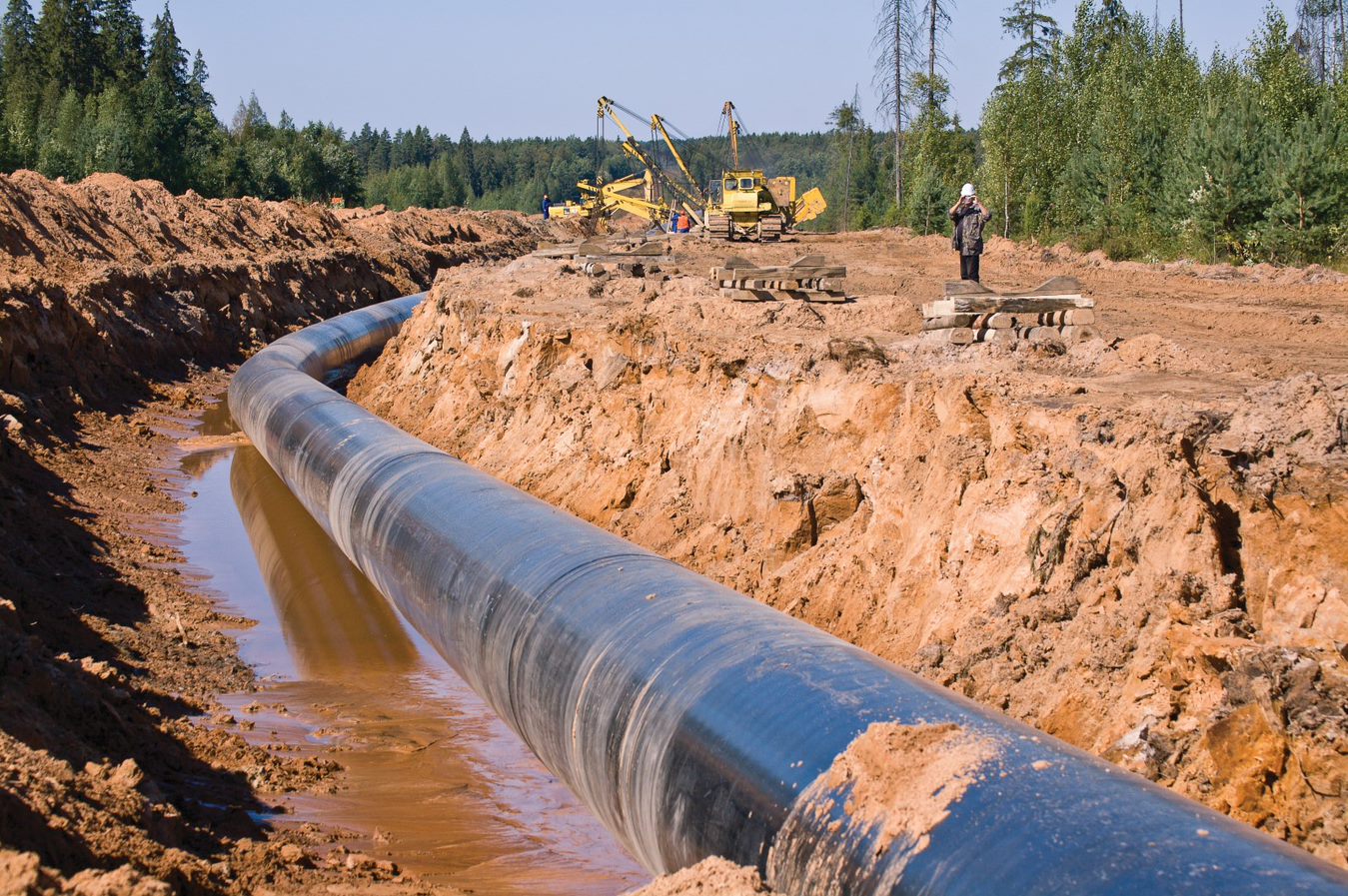
May 17, 2026 – As Alaska’s Democrat-controlled Legislature continues stalling legislation relating to the Alaska LNG project, Canada’s federal government and the province of Alberta on Friday signed a pivotal implementation agreement aimed at fast-tracking a new west coast oil pipeline capable of moving more than one million barrels of oil per day to Asian markets.
For context, Alaska’s Trans Alaska Pipeline System moves less than 460,000 barrels per day to Valdez, where it is exported.
The agreement, signed by Canadian Prime Minister Mark Carney and Alberta Premier Danielle Smith, advances a November memorandum of understanding between the federal and provincial governments and lays out a timeline that could see construction begin as early as Sept. 1, 2027.
The proposed pipeline would dramatically expand Canada’s ability to export crude oil to Asian and global markets through a strategic west coast port, while also reducing what industry leaders have long complained are crippling regulatory delays and overlapping environmental reviews.
Under the agreement, the Canadian federal government committed to facilitating a rapid review of Alberta’s submission to the federal Major Projects Office so the pipeline can be designated a “project of national interest” by Oct. 1, 2026.
The agreement also includes a major concession on industrial carbon taxes, allowing Alberta to avoid a substantial increase in federally mandated carbon pricing that provincial officials estimate would save industry partners roughly $250 billion through 2050.
“This agreement sends a clear message to investors and global partners that Canada and Alberta are serious about expanding market access, building major infrastructure and creating the conditions for long-term investment in our province’s energy sector,” Smith said during Friday’s signing ceremony.
“Alberta is ready to build, invest and partner, but we cannot afford to lose another decade. The door is open, and it’s time to turn shared ambition into real projects, jobs and results for Alberta and Canada.”
Carney framed the agreement as an effort to streamline approvals and restore investor confidence in Canada’s energy sector.
“Today’s agreement reinforces that Alberta and Canada are lands where the opportunities are plentiful, the rules are clear, and one project means one review,” Carney said in a statement. “We are building a Canada that works with a more prosperous, sustainable and resilient economy for all.”
The contrast with Alaska’s current political climate is striking.
While Canadian leaders are publicly aligning to accelerate pipeline construction and reduce regulatory uncertainty, Alaska lawmakers remain locked in disputes over tax policy changes in gasline legislation now moving through the Legislature in the final days of session.
The Alaska Senate Resources Committee this week held hearings on a controversial version of SB 280 that includes new oil taxes and increased minimum production taxes, which drew warnings from industry groups such as the Alaska Oil and Gas Association because the changes could undermine investment and jeopardize both oil development and prospects for a future gasline.
At the same time, legislative negotiations over pension legislation, LNG provisions, and competing fiscal priorities have left Alaska’s decades-old gasline ambitions once again mired in uncertainty. The legislative session ends on May 20.
Meanwhile, Canada is signaling to global investors that it intends to move quickly.
The Alberta-Canada agreement states that both governments will coordinate environmental and regulatory policies to reduce uncertainty and accelerate major infrastructure development.
The timing is difficult to ignore: As one northern energy producer moves aggressively toward export expansion and Asian market access, Alaska’s own gasline debate remains trapped in committee rooms and political maneuvering in Juneau.

7 thoughts on “Canada races ahead on major oil pipeline to West Coast, while Alaska lawmakers stall over gasline taxes”
Never underestimate the democrats ability to fubar things up
They never miss an opportunity to miss an opportunity
Never know about natural gas prices. In the future they could crater so buying from Canada could make sense, Build a gas line and prices crater means money losing venture for AK gas line Markets and commodities means risk. Also building the pipeline might be the correct move for Alaska. But please factor in the risks.
The last line “ trapped in committee “. It should be “ held hostage in committee “
I guess is doesn’t matter tho, cause people in district K & district E. Vote then
don’t psych any attention to what their senator is doing.
The existential threat to Alaska and Alaskans will be written in the history books as: Geissel, Dunbar, Wielechowski, Kawasaki, and Claman!
That was Keystone. Thank Biden for f’king that up, and Trump for turning the knife immediately after his second inauguration. Now it’s looking like we’ll (southcentral Alaskans) be buying Canadian LNG exported from their brand new gas line from central BC, too, despite the fact that we’re sitting on enough gas to heat us and generate electricity for a couple centuries………because we’re stupid.
Dunleavy waited 7.5 of the 8 legislative sessions (more if you count special sessions) before even introducing legislation. The gas line isn’t a new concept. But now if the legislature doesn’t give him exactly what he wants at the 11th hour… they’re the ones sinking the project?
What changed from the first 7 years he was working on it? And didn’t Glenfarne say they were going to have FID in 2025? Did they think the legislature was going to come change the tax laws last December?
The finger pointing is STRONG with this incarnation of the project.
Next we’ll just need a quick incentive and Susitna dam will be complete!