

By SUZANNE DOWNING
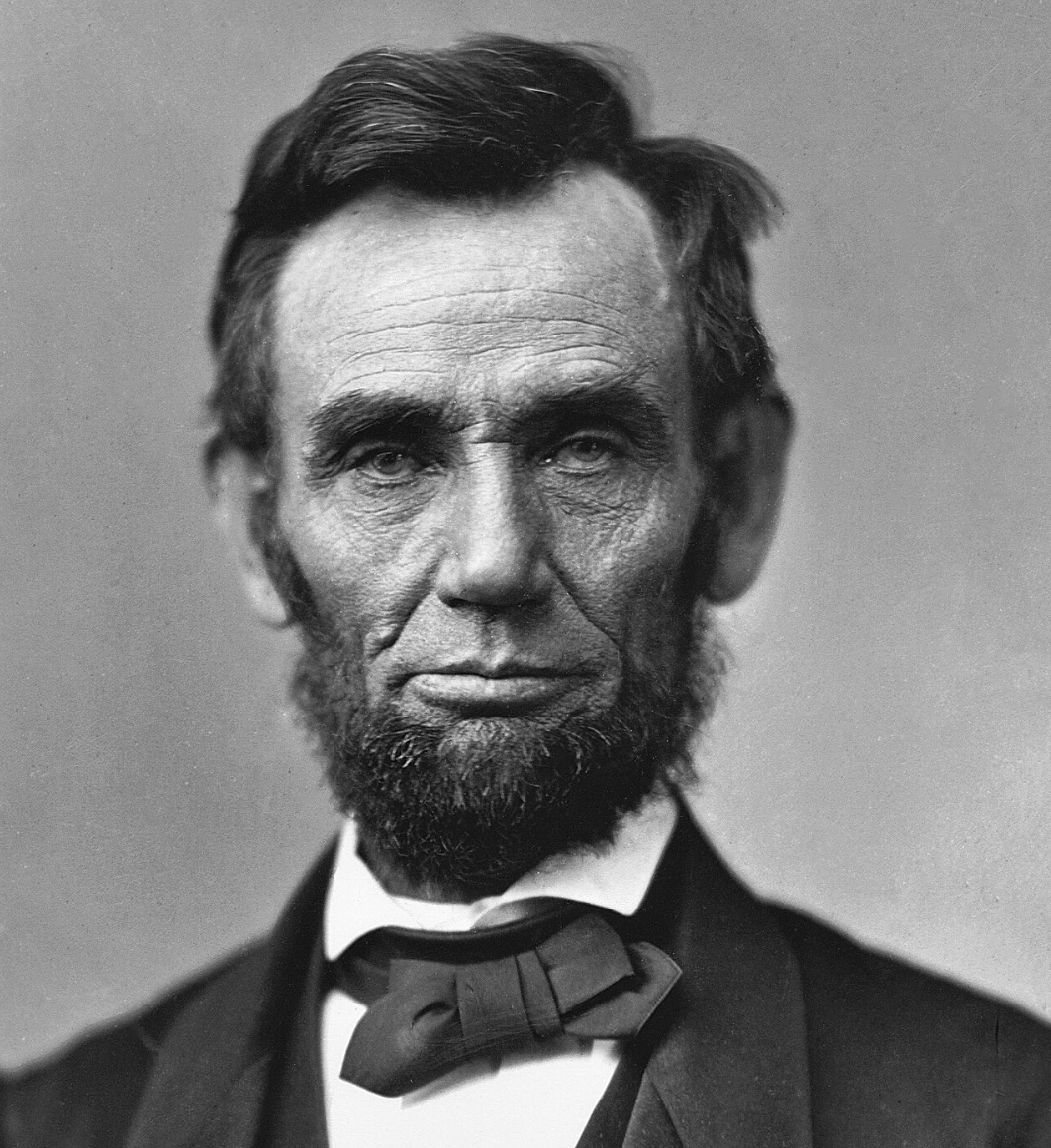
Nov. 19, 2026 – Edward Everett spoke for two long hours at the dedication of the Soldiers’ National Cemetery in Gettysburg, Pennsylvania. It was the warm-up for President Abraham Lincoln, who followed him and was finished in about two minutes.
That happened Nov. 19, 1863, 163 years ago today, and the Civil War was still being fought, and it was four years before Alaska became a district owned by the United States, (October 18, 1867.)
Lincoln, the first Republican president in the United States, opened with “Four score and seven years ago.” He asked his listeners to go back 87 years, to 1776 and the Declaration of Independence. He had come to dedicate a cemetery, asking the country to remember what it had been founded on.
Four months earlier, from July 1 through July 3, Confederate Gen. Robert E. Lee’s army fought Union forces under Maj. Gen. George G. Meade at Gettysburg. The Union victory turned back Lee’s invasion of Pennsylvania. The three days of fighting left about 51,000 men dead, wounded, missing or captured on both sides.
Many of the dead had been buried in shallow graves. Gettysburg attorney David Wills helped organize a cemetery for Union soldiers killed in the battle. Everett, a former Harvard president and one of the country’s best-known orators, was the featured speaker at the dedication. Lincoln was only invited to deliver brief remarks.
Lincoln built the speech around the Declaration’s assertion that “all men are created equal.” He called the war a test of whether a nation founded on that idea could endure. The founding of the country had left slavery in place. By the time Lincoln stood at Gettysburg, his Emancipation Proclamation had declared enslaved people free in areas still in rebellion, and the Union’s military conflict was to make that freedom a reality.
Lincoln’s call for a “new birth of freedom” pointed toward a country changed by the war.
Then he turned the dedication around. The men who fought there, living and dead, had already consecrated the ground through what they had done. It was the living who needed to dedicate themselves. Their work was to see that the soldiers had died for a country where “government of the people, by the people, for the people” could survive.
The next day, Everett wrote to Lincoln that he wished he had come as close to the central idea of the occasion in two hours as the president had in two minutes.
Here is the two-minute speech that has stood the test of time:
Four score and seven years ago our fathers brought forth on this continent a new nation, conceived in liberty, and dedicated to the proposition that all men are created equal.1

Now we are engaged in a great civil war, testing whether that nation, or any nation so conceived and so dedicated, can long endure. We are met on a great battlefield of that war. We have come to dedicate a portion of that field, as a final resting place for those who here gave their lives that that nation might live. It is altogether fitting and proper that we should do this.2
But, in a larger sense, we can not dedicate, we can not consecrate, we can not hallow this ground. The brave men, living and dead, who struggled here, have consecrated it, far above our poor power to add or detract.3 The world will little note, nor long remember what we say here, but it can never forget what they did here. It is for us the living, rather, to be dedicated here to the unfinished work which they who fought here have thus far so nobly advanced. It is rather for us to be here dedicated to the great task remaining before us—that from these honored dead we take increased devotion to that cause for which they gave the last full measure of devotion—that we here highly resolve that these dead shall not have died in vain—that this nation, under God, shall have a new birth of freedom—and that government of the people, by the people, for the people, shall not perish from the earth