


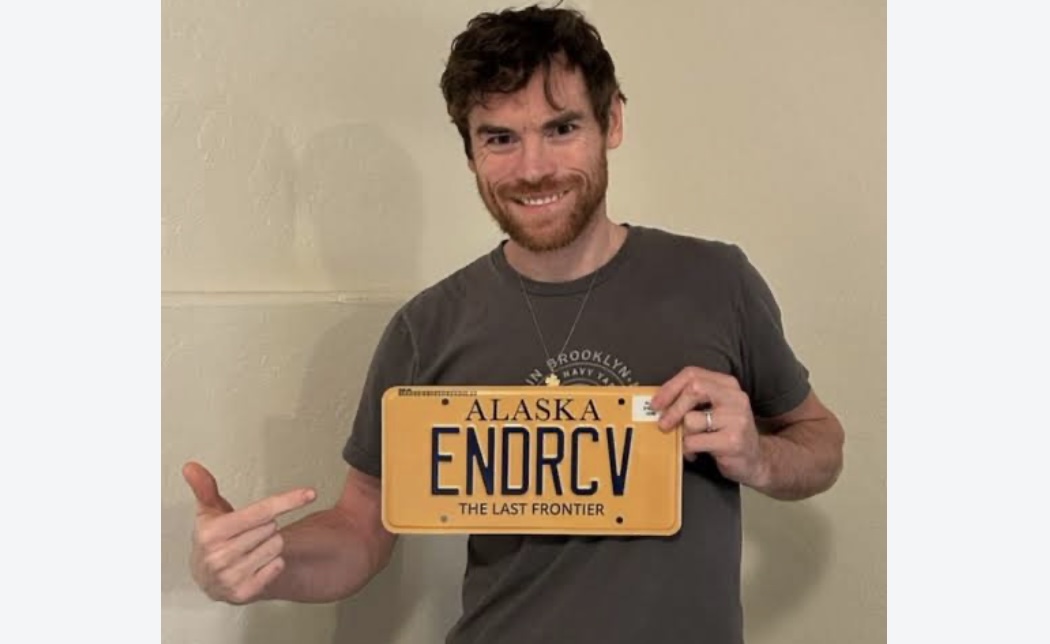
By PHIL IZON
Nov. 5, 2026 – Alaska’s 2020 Ballot Measure 2 (petition 19AKBE) did not just bring ranked-choice voting. It bundled three distinct reforms into one package: a nonpartisan open (top-four) primary, ranked-choice voting in the general election, and new campaign-finance disclosure rules requiring the “true source” of larger contributions to independent expenditure groups, plus disclaimers on certain out-of-state-funded ads.
The originator of that package, Scott “Scooter” Kendall, created a classic poison pill. Voters who liked more transparency on political money—or simply disliked the idea of “dark money”,could be mobilized against any attempt to undo the whole measure, even if their real objection was only to ranked-choice voting.
That design was visible early. By 2022, observers including Sen. Mike Shower identified the campaign-finance language as the deliberate trap.
When I wrote the 2022–2024 repeal petition (22AKHE), I deliberately left those disclosure provisions off.
The result was a cleaner fight focused on the open primary and ranked-choice system itself. Opponents still spent heavily (roughly 100-to-1 in some tallies) and ultimately won by the narrowest of margins, about 743 votes after weeks of counting.
They could not, however, turn the measure into a referendum on “bringing back dark money,” because the petition never touched those rules. The near-miss showed how close a targeted repeal could come when the poison pill was removed from the ballot.
I will note that the establishment, the State Republican Party, and nearly all of my supporters abandoned me and my team when we were sued by the creators of the system. Everyone thought we were going to lose. In fact, we won in the Superior Court, the Supreme Court (unanimously), and went on to sue them for $50,000 in attorney fees, which was settled out of court.
We were left alone, no out-of-state money, no Elon Musk, no State GOP, no National GOP, and we came within 743 votes. We were winning on election day by about 4,000 votes, and it took two whole weeks of counting to overcome our lead while being outspent 100-to-1 by 99% out-of-state money. It is the closest ballot measure race in the history of Alaska, and one of, if not the closest statewide races in the state’s history. We collected more than 42,000 signatures from 34 of the state’s 40 House districts in a pure grassroots effort. After aggressive challenges, 37,043 were verified.
The 2026 effort took the opposite approach. The new petition sought to repeal the entire 19AKBE package, including the 2020 campaign-finance disclosures. Opponents immediately weaponized it. “No on 2” messaging, billboards, and ads centered on “NO TO DARK MONEY.” Coverage framed a Yes vote as erasing true-source disclosure rules and potentially interacting with other campaign-finance limits that voters had just approved.
Even with substantially more outside funding on the Yes side (over $2 million raised) than in 2024 (around $150,000), the measure trailed in early returns (roughly 48–52 with most precincts reporting). The poison pill worked exactly as designed: it gave opponents a popular, easy-to-understand attack that had little to do with the mechanics of ranked-choice voting.
The lesson is structural. Bundling popular transparency rules with contested election mechanics creates a durable defensive shield. Any future repeal should therefore be surgical. The next petition should target only the ranked-choice voting section of the original 19AKBE, leaving the open primary and the campaign-finance language intact.
That removes the dark-money argument from the table. Dropping the open/jungle primary language as well means they cannot use the claim that we are trying to give the parties back control of the elections or brand the effort that way. Limiting the argument to RCV exclusively gives them no leg to stand on. The 2026 results confirm that treating the three parts as inseparable plays into the hands of the original architects. Separating them does not.
I will do another repeal of RCV, and when I do, it will be targeting RCV exclusively. Let’s let it stand on the merits of incarcerated criminals making the general election ballot not once, but twice. The decoy candidates, and the minority parties winning elections through vote splitting and manipulations, games, mailers, radio, TV, and more, all using Alaskans as dumb lab rats to experiment on, then taking their learned data and applying it to the rest of the country through their Arabella Advisors network.
The only path forward is mass education about the bad deeds of Arabella Advisors and Co. in Alaska. Everyone needs to know who all their little branch groups are. People have to be engaged citizens and not vote based on the fake mailers or the lies on TV. Until the Alaskan people wake up and realize that we are being attacked and manipulated year over year, then we will not be able to organize or create a foundation to fight back from. We are split, exactly as designed, by the out-of-state interests that want to control the future of this state.
Don’t let them.
Phil Izon is an Alaskan who ran the first attempt to repeal ranked-choice voting in Alaska.



2 thoughts on “Phil Izon: The campaign finance language was the poison pill that sank the 2026 repeal”
I bet “Scooters” wife gave him his nickname, as she gets pleasured by the vibrations of riding on his tiny motorscooter.😆
But how is the repeal of rank choice voting, by itself, going to prevent the perversion of the lack of a real and honest primary vote? There would still be just as much potential for fake candidates to run and cloud the entire vote.
.
Rank choice voting is only half the problem — the “jungle primary” is the other, and equally as bad.