


By SUZANNE DOWNING
Oct. 7, 2026 – President Donald Trump signed an executive that should ease diesel costs by temporarily expanding highway use of red-dyed fuel normally reserved for farm machinery, construction equipment, and other off-road uses.
Trump signed the order during a campaign rally in Grand Island, Nebraska, alongside Gov. Jim Pillen and US Sen. Pete Ricketts. The initiative targets fuel expenses for farmers and truckers as high diesel prices put pressure on harvest operations and freight transportation.
“The typical trucker will save more than $100 every time they fill up,” Trump told the crowd.
The order directs federal officials to provide penalty relief for dyed diesel sold or used on highways from Oct. 5 through Dec. 31. It also directs Treasury Secretary Scott Bessent to determine whether existing law authorizes postponing applicable diesel tax payments without interest or penalties. Treasury must issue guidance identifying who qualifies, the conditions of relief, and when postponed taxes must be paid.
The executive order seeks to defer tax payments, rather than permanently erase them. Trump instructed Treasury to explore ways, including legislation, to eliminate the deferred obligations. It does not establish a blanket suspension of the federal tax on ordinary, undyed highway diesel.
Red-dyed diesel distinguishes fuel intended for tax-exempt off-road uses from fuel sold for highway vehicles. The red coloring allows enforcement officials to identify otherwise untaxed fuel used on public roads. The White House says temporarily expanding access could reduce expenses for businesses that depend on diesel.
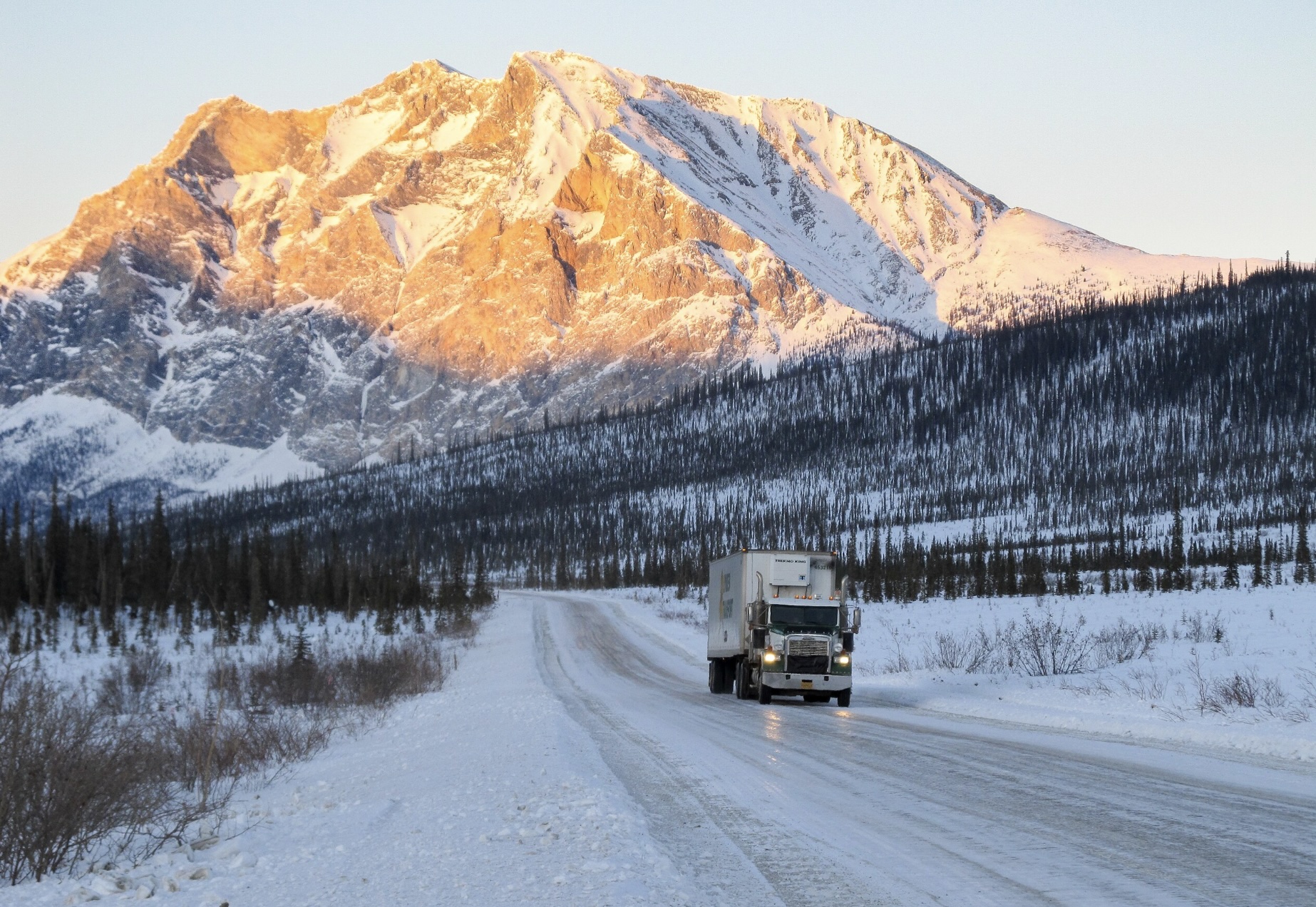
In Alaska, the greatest potential benefit is for highway truckers hauling goods on public roads. Deferring the 24.4-cent-per-gallon federal diesel tax would reduce immediate tax expenses by about $49 on a 200-gallon fill, subject to Treasury’s implementation guidance.
Alaska’s separate highway fuel tax of 8 cents per gallon, plus a 0.95-cent refined-fuel surcharge, remains unaffected unless the state adopts its own relief.
The direct benefit would be much smaller for rural households, village utilities, fishing vessels, and farmers already using fuel exempt from the federal highway tax. Alaska taxes marine fuel at a lower base rate of 5 cents per gallon, while heating and other qualifying off-road uses generally fall outside the federal highway levy.
The order also leaves untouched the barge deliveries, air freight, storage, and small purchasing volumes that drive up fuel costs in remote communities. For those users, expanded access to dyed diesel may help supply, but the highway tax relief offers little direct reduction in their existing fuel bills.
Last month Lynden Transport raised its fuel surcharge, raising costs dramatically in rural and remote communities in Alaska:
Lynden’s Alaska freight companies have raised fuel-related surcharges. The increases track diesel and marine fuel costs and are published weekly or by filing.Lynden Transport and sister company Alaska Marine Lines are both part of Lynden Inc. Fuel surcharges sit on top of line-haul rates and are meant to recover fuel and related costs.
Current Lynden Transport surchargesFor the week of October 5–11, 2026, LTIA lists these fuel-related surcharges:
- Lane 1 (steamship and household goods, Lower 48 to Alaska excluding Southeast): 27%
- Lane 2 (central Alaska barge, fuel roll-in): 29%
- Lane 3 (Southeast Alaska barge and Marine Highway): 22.5%
- Lane 4 (air, interstate): 27%
- Lane 4A (air, Alaska intrastate): $0.56 per pound
- Lane 5 (interstate highway): 40%, tied to a weighted OPIS No. 2 diesel rack average of $5.165 per gallon (Houston, Billings, Edmonton, Dawson Creek, Fairbanks)
- Lane 6 (intra-Alaska highway): 41.5%, tied to the OPIS Fairbanks No. 2 diesel average of $5.333 per gallon
Highway percentages move with those diesel indexes.
Recent history shows they have gone both ways: the week of September 21, Lane 5 was 47.5% and Lane 6 was 49%, so the early-October highway figures are lower than late September even while still high. Lane 3 rose from 16% in mid-September to 22.5%.
Alaska Marine Lines (the barge side) raised its Southeast Alaska fuel surcharge to 22.5% effective September 27, 2026, from 16%. It was 9.5% in June 2025, rose to about 12% later that month, fell to 11% in November, spiked to 18.5% in early April 2026, eased to 14.5% in late June, then climbed again to 16% in late August before the September jump.
As of early October 2026, AML’s published regional surcharges included about 29% for central Alaska and Cordova/Valdez, 29.5% for the Yukon, 31% for Dutch Harbor, Kodiak, and the Aleutians, 31.5% for Hawaii, 11.5% for Arctic/Western Alaska, and roughly 13% for inland trucking.
AML says the surcharge is based on fuel and related costs, capital costs tied to fuel, the type of service, and competitive conditions, and that it adjusts when fuel prices move.
Customer notices from AML in 2026 explicitly attribute surcharge changes to “continued escalation and volatility in fuel costs.” AAA’s US average diesel price was about $6.53 a gallon on Sept. 22, up about 76% from $3.69 a year earlier.
Separately, AML filed a 4.5% general rate adjustment effective Dec. 14, 2025 (central Alaska tariffs, with some terminal-charge increases), citing inflation and rising costs. That was separate from the fuel surcharge.
Transportation Secretary Sean Duffy is tasked with coordinating with states, industry leaders, and labor organizations to support implementation. The administration is encouraging states to adopt corresponding relief measures.



3 thoughts on “Trump orders diesel tax relief for truckers through year’s end; Alaska impacts are probably minimal”
Today marks the day when gas has been above $4/gal for a total of 159 days since Trump returned to office.
Gas was over $4/gal for 158 days of Biden’s presidency.
Days of diesel over $6/gal? Biden: 0 days. Trump: 27 days.
The gap will keep growing because gas prices won’t drop below $4 tomorrow, the next day, or the day after that.All this winning is getting expensive!
I prefer “winning” over Iran winning. One of my classmates relative was taken hostage and lived over a year being tortured by the worst enemy on the planet nearly 50 years ago. Their time has finally come to pay a price for their brutality. 50 of them vaporized within minutes on day one was just a down repayment.
I mean, it’s something, but let’s get real! 50 bucks savings on a 1300 dollar fill-up? Pretty pathetic! Trump needs to end the war in Iran, like yesterday!