


By SUZANNE DOWNING
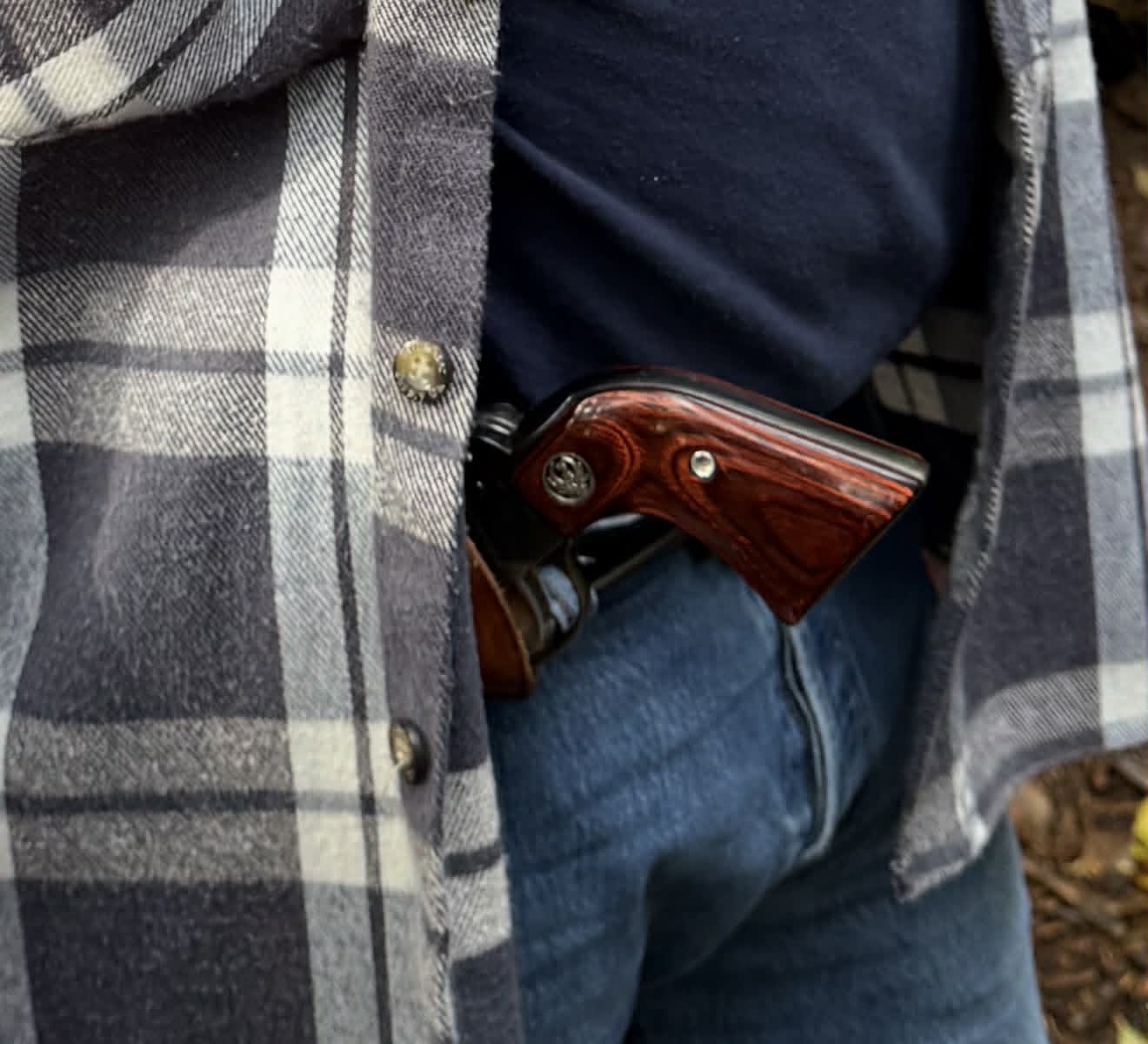
Sept. 18, 2026 – The Department of Justice has sued San Jose, Calif., alleging that the city’s nearly $1,600 concealed-carry permit fee prices ordinary residents out of exercising their Second Amendment rights.
The lawsuit, filed Wednesday in the US District Court for the Northern District of California, names the City of San Jose and the San Jose Police Department as defendants.
San Jose charges $1,591 for an application to carry a concealed firearm, a fee the Justice Department says is the highest in the country. An applicant must pay $318 at the beginning of the process and another $1,273 if the permit is issued.
That is only part of the cots. There are also fees for fingerprinting, firearms training and a psychological evaluation required under San Jose Police Department policy.
“The right is not a luxury reserved for a privileged few, but a fundamental element of our republic,” Assistant Attorney General Harmeet K. Dhillon said in announcing the lawsuit. “You don’t need a law degree to recognize that charging a fee several times higher than the cost of the firearm itself is illogical, and an unconstitutional attempt to impede Americans’ Second Amendment rights.”
The Justice Department’s complaint says the San Jose City Council increased the fee in June through Resolution 2026-183, raising it by nearly $300 from the amount charged approximately two and a half years earlier. The federal government alleges the resolution offered no adequate justification for the $1,591 price.
The fee is dramatically higher than those charged in other large American cities, according to the complaint.
Washington, DC, charges $75. Boston charges $100, Chicago charges $150 and Philadelphia charges $20. New York City charges $340 for a three-year license. Even San Francisco, across the bay from San Jose, charges $144.
Berkeley charges $255 at the application stage and another $325 if the application is approved. Santa Clara County charges $488 at application and another $488 when the license is issued.
The Justice Department did not concede that all those fees are constitutional, but offered them to demonstrate how far San Jose stands outside the national norm.
The federal complaint relies in part on the Supreme Court’s 2022 decision in New York State Rifle & Pistol Association v. Bruen. Although the court recognized that states may use objective “shall-issue” licensing systems, it cautioned against systems under which lengthy delays or “exorbitant fees” deny ordinary citizens the ability to carry firearms for self-defense.
The department argues San Jose’s fee makes carrying a firearm impractical for middle-class residents and effectively impossible for low-income residents.
The lawsuit also targets the city’s psychological-testing requirement. California law allows licensing authorities to require such an evaluation, but does not mandate it. San Jose adopted the requirement as a Police Department policy and makes applicants pay the cost, which is not included in the $1,591 permit fee.
According to the complaint, the policy does not tell applicants how much the evaluation will cost. Instead, the amount is determined by an authorized psychologist selected to conduct it.
The Justice Department is seeking a court declaration that San Jose’s licensing system violates the Second Amendment and an injunction preventing the city and Police Department from continuing to enforce the challenged requirements.
The case was brought by the Civil Rights Division’s Second Amendment Section under the Second Amendment and the federal police pattern-or-practice law, 34 U.S.C. § 12601. That statute authorizes the attorney general to seek court orders against law-enforcement agencies engaged in a pattern or practice of depriving people of constitutional rights.
The department has increasingly used its civil-rights authority to challenge local gun restrictions, including excessive permit delays, high fees and restrictions on where licensed citizens may carry firearms.
No Alaska municipality has a concealed-carry licensing system comparable to San Jose’s. State law largely prevents one from being created.
Alaska is a constitutional-carry state. An eligible adult generally does not need a permit to carry a concealed handgun in the state. Alaska still offers an optional state concealed-handgun permit, primarily for Alaskans who want documented training or reciprocity when traveling in states that recognize Alaska permits, but it is administered by the state rather than individual cities or boroughs.
Importantly, Alaska law expressly reserves firearm regulation to the state.
Under Alaska Statute 29.35.145, municipalities may not enact or enforce ordinances regulating the possession, ownership, sale, transfer, use, carrying, transportation, licensing, taxation or registration of firearms or knives.
Municipalities retain limited authority to restrict the discharge of firearms where people, animals or property could be endangered, regulate the locations where firearm businesses may operate, and prohibit firearms beyond secured screening points in restricted portions of municipal buildings. They may also adopt provisions identical to state law with the same penalties.
Those limited exceptions would not allow Anchorage, Fairbanks, Juneau or another Alaska municipality to establish its own concealed-carry licensing program or charge a San Jose-style permit fee.
The Justice Department’s announcement and complaint are available here. Alaska’s municipal firearms-preemption statute can be read here.


One thought on “DOJ sues San Jose over nearly $1,600 concealed-carry permit fee; Alaska cities barred from imposing similar rules”
Check the violent crime rate in San Jose. Usually the gun restricted, or highly regulated, cities have the highest crime rates. People who get concealed carry permits typically are the nicest and most courteous individuals you ever meet.